
Ionuț Dumitru: the pension system will face a "major shock" around 2030
The Prime Minister's adviser warns that the pension budget will face growing difficulties from 2029, when the "decree generation" reaches retirement age. He recommends cautious indexation in 2027.
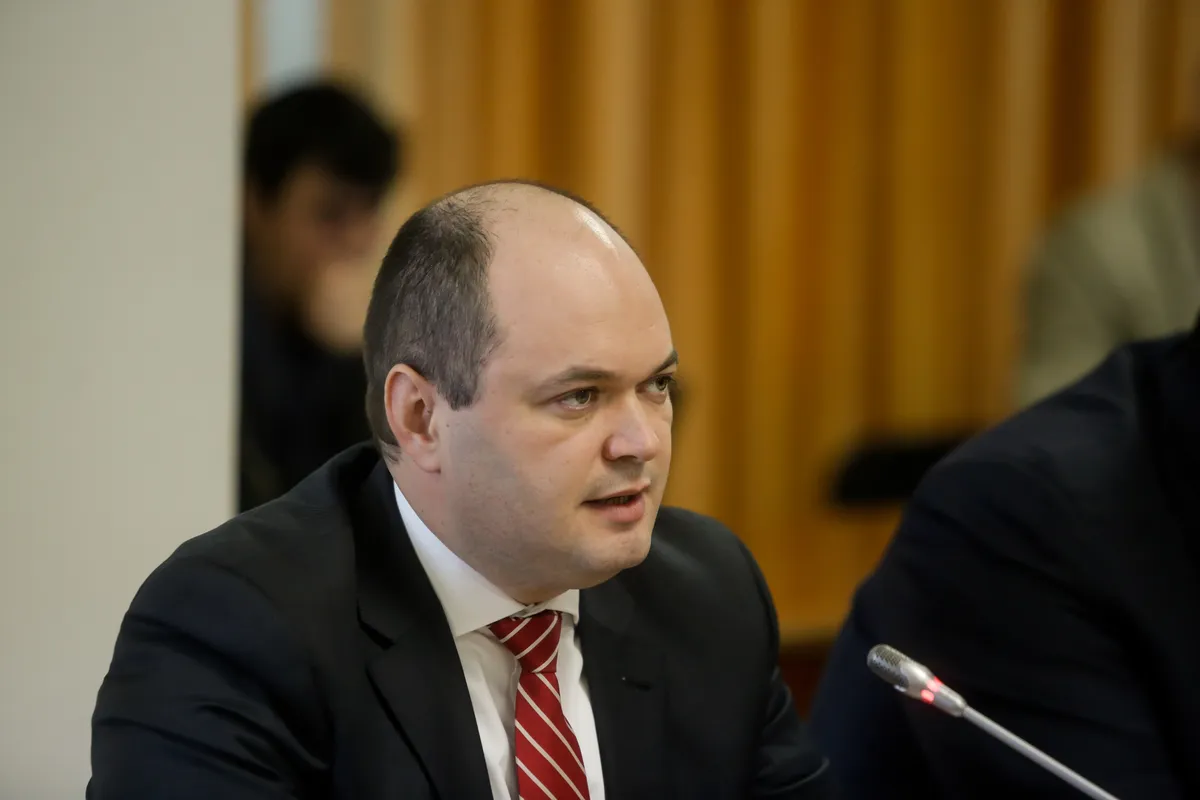
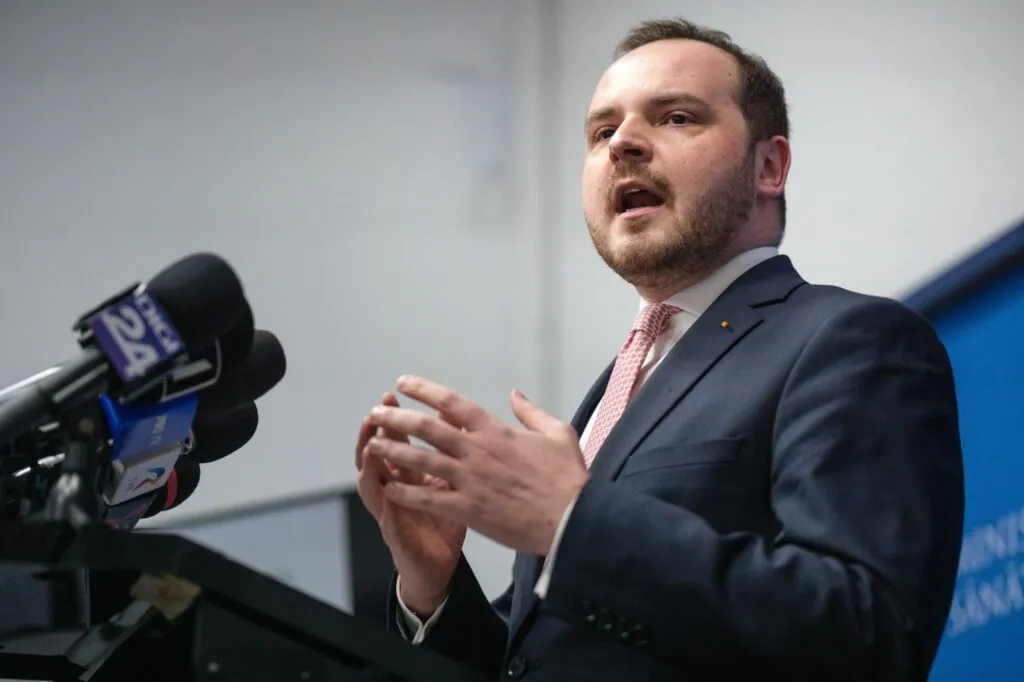
Ionuț Dumitru, adviser to Prime Minister Ilie Bolojan, warned in an interview on Digi24 that the public pension system will not collapse, but will face increasingly serious financial difficulties from 2029 onwards, as the large generations of so-called "decreței" — those born under Communist-era birth rate decrees — reach retirement age. He argues that any discussion about raising the standard retirement age is, for the time being, premature, as long as there are categories of employees who retire at 45 or 50.
Data from the Fiscal Council cited in the article shows a rapidly accelerating deficit in the pension budget: from 39.7 billion RON in 2024 to 52.4 billion RON in 2025. The combined deficits from pensions, social insurance, healthcare, and unemployment account for nearly 30% of the country's total budget deficit. Furthermore, interest payments on state borrowing alone are estimated to reach 64 billion RON this year.
Dumitru explained that the first pension pillar is based on intergenerational solidarity: contributions from those currently in work fund the pensions being paid out today. The problem is that the ratio between contributors and pensioners has been deteriorating steadily.
"It will not collapse, but it will face ever-greater financial difficulties. (…) In the 1990s, we had two or three employees for every pensioner; today the ratio is roughly one to one. We probably have the least favourable ratio between contributors and beneficiaries in the pension system, and this ratio will continue to worsen. We will face a major shock around 2030, because we will have more and more beneficiaries and fewer and fewer contributors. (…) Even today, the pension budget is not self-financing — it is funded through borrowing. We would all like higher pensions, but unfortunately we do not have the taxpayers to support that. You cannot keep increasing pensions from resources you do not have and are borrowing, because at some point the bill comes due," the Prime Minister's adviser said.
He noted that the primary solution is to increase the number of people in work and contributing to the system, by tackling undeclared and informal employment, as well as by keeping people in work for longer.
"An uprating will have to be made in 2027"
When asked whether the state can afford to increase pensions next year, given that the Fiscal Council is urging caution, Ionuț Dumitru said that an uprating will be necessary after two years in which pensions and public sector salaries have been frozen. He stressed, however, that any increase must be carefully calculated in line with the real resources available.
"I believe that, after two years of freezing public sector salaries and pensions, an uprating will have to be made in 2027. We have experienced a period of fairly high inflation, and probably…," Ionuț Dumitru said, according to the source cited.
Content paraphrased and adapted by SeniorHelp from verified public sources.
Original source: Digi24 →Previous article
The second instalment of the pensioners' support payment, in December 2026: who receives money without applying
Next article
Six days of delays at Floreasca: patient with fractures operated on privately for 8,000 euros
Similar news
 Foto ilustrativă
Pension indexation 2027: what options the Government is considering for the minimum pension
23 October 2026
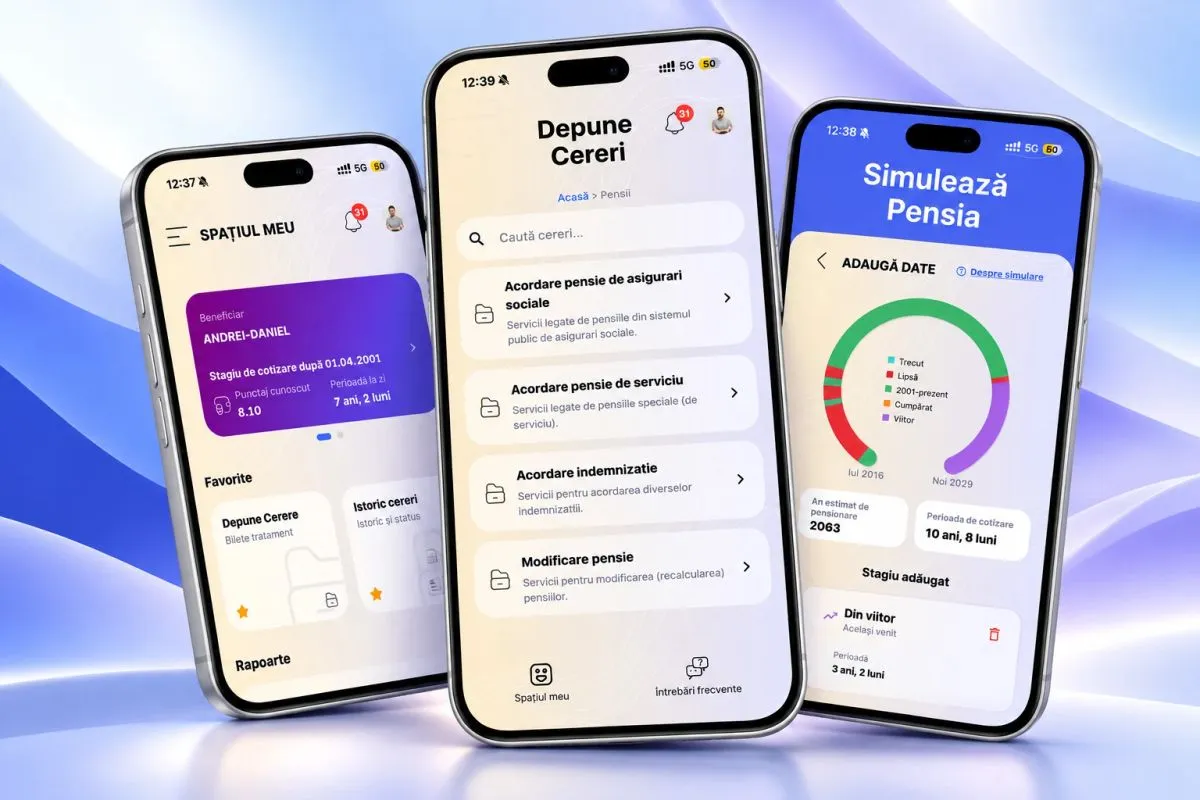
MyCNPP: the Pension House app that lets you check your contribution period and pension estimate
23 October 2026
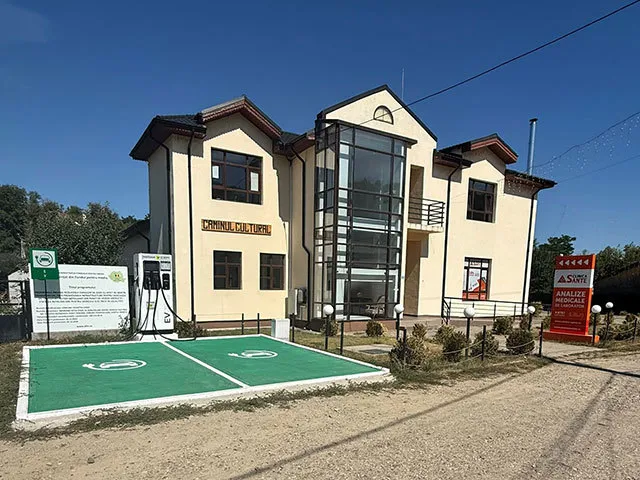
A commune in Vrancea, with 3,700 inhabitants, has been looking for a dentist for 7 years
22 October 2026
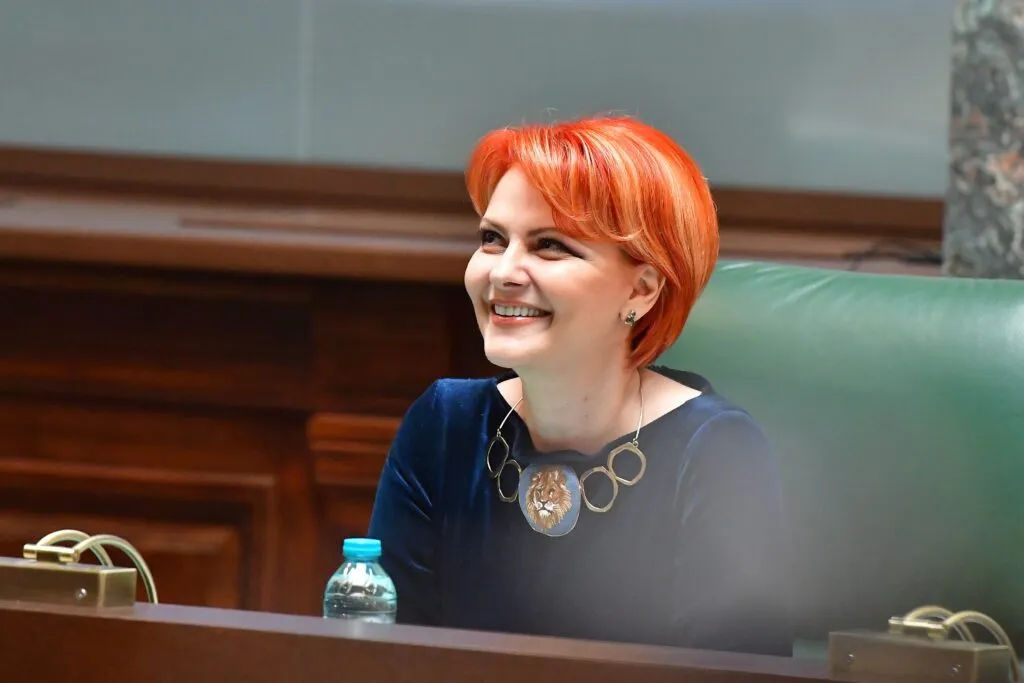
Mayor of Craiova: Property taxes cannot be calculated at market value from 2027
22 October 2026
 Foto ilustrativă
BT Pensii reaches 300,000 participants and over 1 billion RON in assets
22 October 2026
New Health Minister: Hospitals need over 10 billion RON, I will request funds from the reserve fund
21 October 2026