
Inflation rises in the eurozone due to energy costs. Pressure on the ECB for further rate hikes
Inflation rose above expectations in France, Italy, Germany and Spain, driven by rising energy costs. Markets are anticipating four interest rate hikes by the ECB.
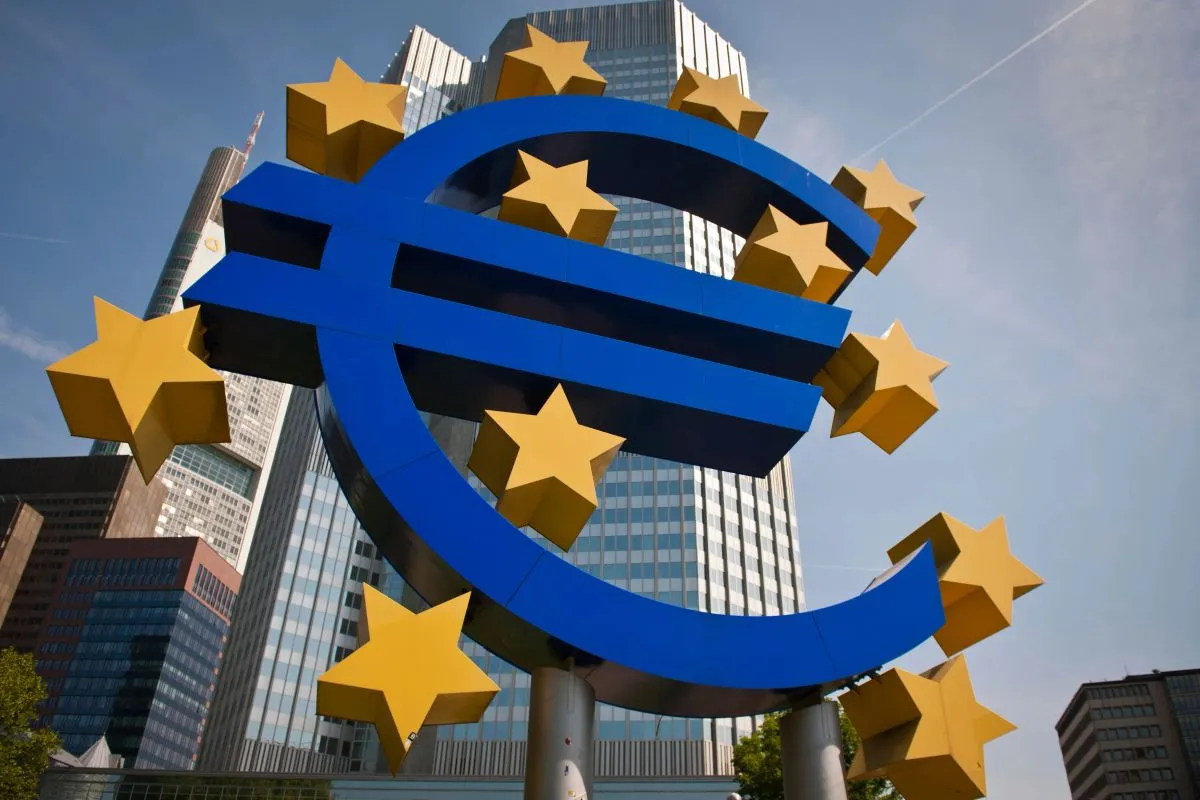
Inflation rose more than expected in four of the eurozone's largest economies, with rising energy costs being the primary driver. The situation is putting additional pressure on the European Central Bank (ECB), and financial markets are already betting on further interest rate rises.
Surging natural gas, petrol, and diesel prices, linked to the war in Iran, are considered the main cause of this development. The knock-on effects of these price increases have begun to spread to other areas of the economy, complicating monetary policy decisions.
How prices have evolved across Europe's major economies
According to data published on Wednesday, France's harmonised annual inflation rate climbed to 3.4% in September, up from 2.6% in August.
- Italy: inflation reached 4.1%, up from 3.2% the previous month.
- Germany: a rise from 2.9% to 3.3%.
- Spain: an increase from 4.6% to 5%.
All four countries exceeded the ECB's 2% target, according to Reuters. The national figures precede the publication, on Friday, of the inflation figure for the entire eurozone. Economists surveyed by Reuters estimate an annual rate of 3.6% for September, up from 3.2% in August.
Energy as a pressure factor for the ECB
Rising energy costs are once again shifting expectations around eurozone interest rates. The ECB has already raised interest rates twice this summer in a bid to prevent inflationary pressures from becoming entrenched.
Financial markets are now pricing in a further four interest rate rises over the next 12 months, in addition to the two already implemented.
The ECB had expected inflation to reach 3.6% in the final quarter of the year. Some economists believe, however, that the peak could edge closer to 4% if energy prices remain elevated. Under the ECB's adverse scenario, inflation could reach 4% in both the fourth quarter of 2026 and the first three months of 2027.
The ECB President's position
Christine Lagarde, President of the ECB, recently stated that a measured monetary policy response remains appropriate, as the current rise in inflation has not yet produced worrying second-round effects across the eurozone as a whole.
Economists nonetheless warn that persistently high energy prices could also lead to a rise in core inflation at the start of next year, making it harder for inflation to return to the ECB's 2% target.
Content paraphrased and adapted by SeniorHelp from verified public sources.
Original source: Realitatea →Previous article
Dental implants in old age: when they can be a solution
Next article
Coffee and dietary iron: when to drink it so it doesn't affect absorption
Similar news
 Foto ilustrativă
The Senate has voted on the ROBOR credit recalculation law. Romanians could receive money back from banks
14 October 2026

Senate wants recalculation of loans affected by ROBOR, based on IRCC
14 October 2026

Bușoi: The Next Government Must Quickly Decide Whether to Extend the Gas Support Scheme
14 October 2026
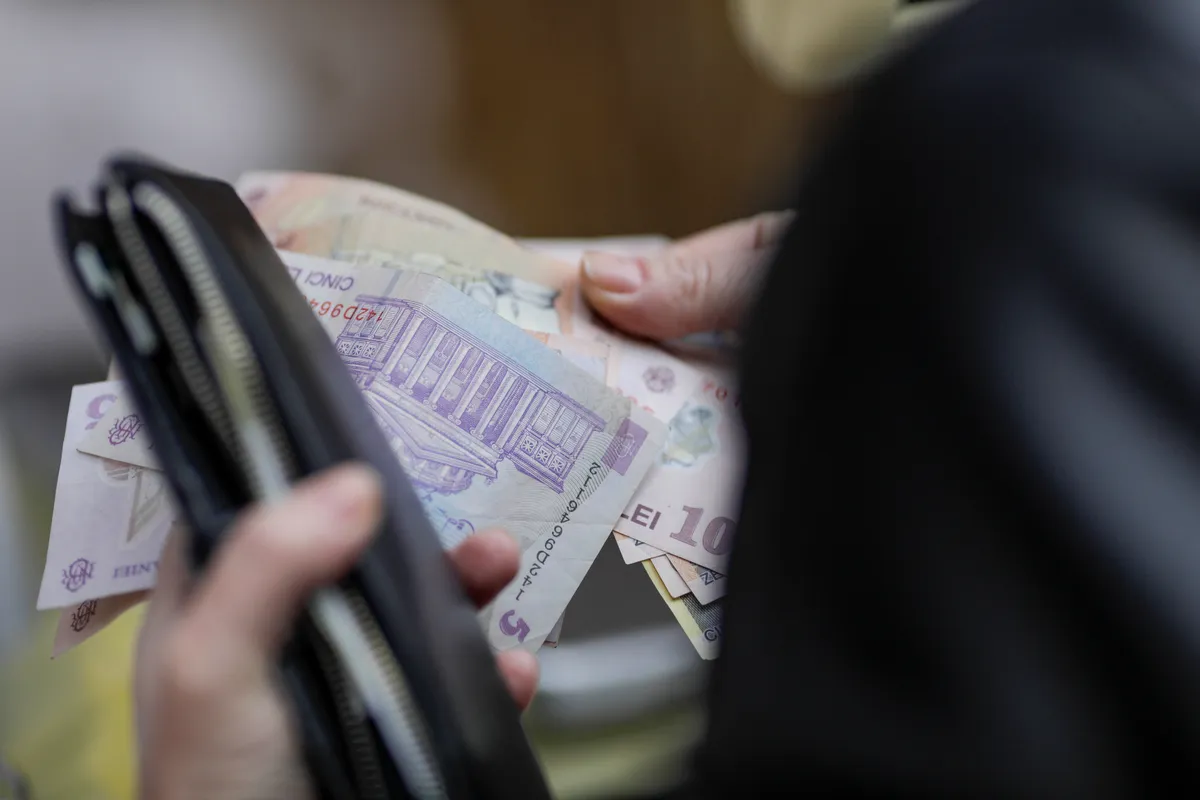
Average net salary fell to 5,688 RON in August, below inflation
13 October 2026

Average net salary fell in August 2026, inflation wiped out wage increases
13 October 2026

Annual inflation rose to 6.61% in September, INS announces
13 October 2026