
Dental implants in old age: when they can be a solution
Tooth loss affects chewing and speech in elderly people. Dental implants may be a solution, if health conditions and bone density allow.
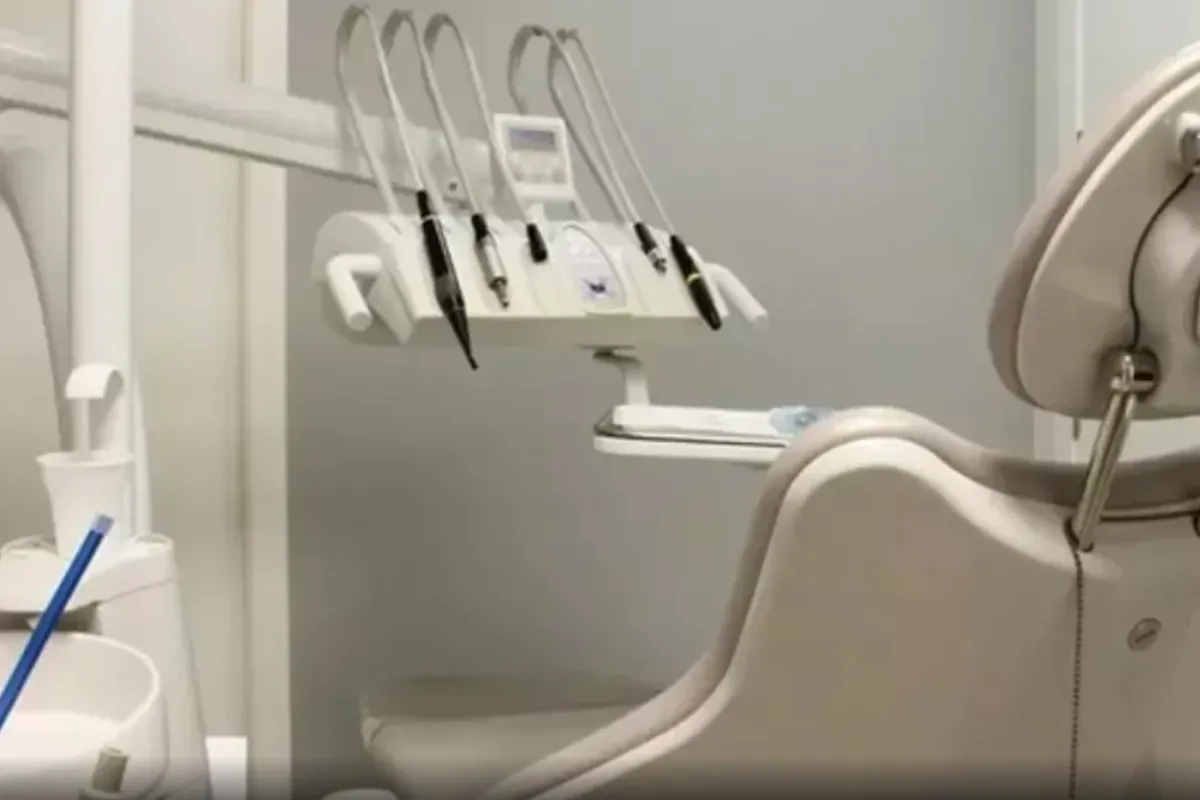
Tooth loss can affect chewing, speech, and eating, and these issues often become more significant with advancing age. However, chronological age alone does not automatically rule out the possibility of modern treatment.
Dental implants in older adults can be a solution for replacing one or more teeth, provided that the bone, gums, and general state of health allow for the procedure. The implant is inserted into the bone and can subsequently support a crown, a bridge, or a denture. According to studies, advanced age, considered in isolation, does not constitute a contraindication for this type of procedure.
Patient assessment must take several factors into account: overall oral health, the quantity of available bone, the possible presence of diabetes mellitus, smoking, concurrent medication treatments, and the patient's ability to maintain adequate oral hygiene. For those who meet the necessary conditions, implants can improve dental stability, chewing, and comfort in day-to-day activities.
Article supported by SANADOR; for more details, visit www.sanador.ro.
Content paraphrased and adapted by SeniorHelp from verified public sources.
Original source: Realitatea →Previous article
Knee replacement: when orthopaedic surgeons recommend it
Next article
Inflation rises in the eurozone due to energy costs. Pressure on the ECB for further rate hikes
Similar news

He Survived Colon Cancer Three Times. He Hid the First Sign for Years
13 October 2026

DXA Osteodensitometry: how bone density and fracture risk are assessed
13 October 2026

Chronic inflammation can damage the heart before symptoms appear, shows a study of 488,000 people
13 October 2026

Hepatitis A in Constanța: 23 outbreaks, 130 cases, under DSP monitoring
12 October 2026
 Foto ilustrativă
GPs warn: flu vaccination should not be delayed
11 October 2026

GPs recommend flu vaccination before the epidemic spreads
11 October 2026