
Government to cut state-paid sick leave by one day from 2026
The new measure will affect all medical certificates from 2026–2027, with the exception of certain serious conditions that will be exempt from the rule.

The Romanian Government is preparing a significant change to the sick leave system, which will directly affect all Romanians who rely on such benefits. From 1 February 2026 until the end of 2027, the duration of paid sick leave funded from public sources will be reduced by one day for all medical certificates issued during this period.
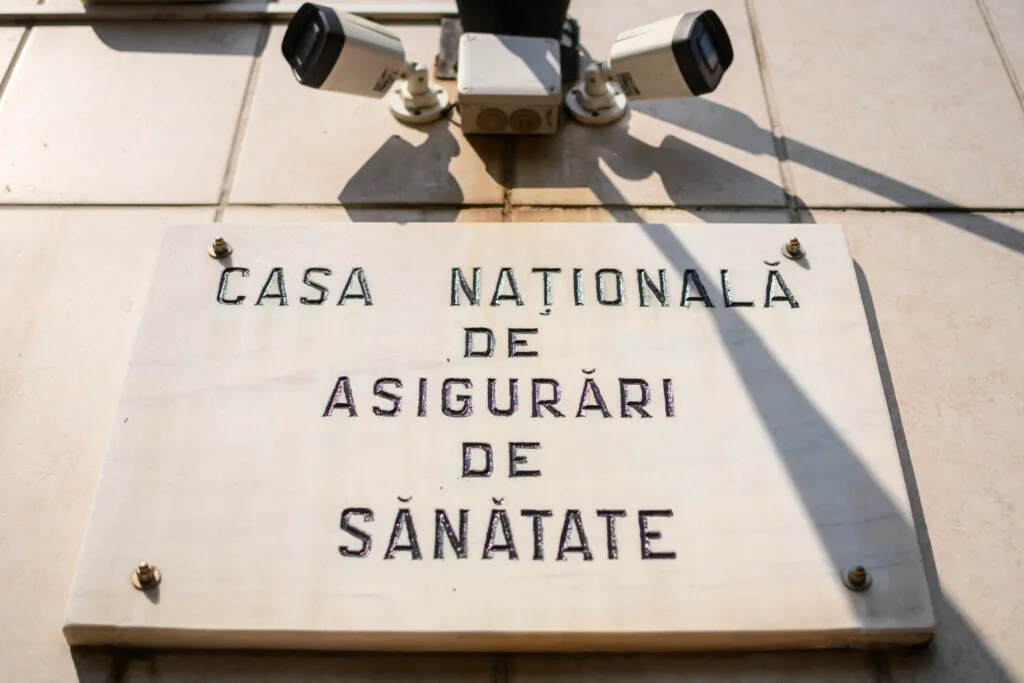
This measure forms part of a broader effort to ease pressure on the budget of the Casa Națională de Asigurări de Sănătate (National Health Insurance House). Although payment is reduced by one day, the authorities have confirmed that the period in question will continue to count as insurance tenure, meaning beneficiaries will retain their insured status within the health system.
Exceptions for serious conditions
The draft legislation includes a list of conditions that will be exempt from this rule — likely serious or chronic illnesses requiring longer recovery periods. This list, along with the implementing regulations, is to be published within 30 days of the ordinance entering into force, providing important clarification for both patients and doctors.
How the current system works
At present, the sick leave system is structured hierarchically. A GP may grant a maximum of seven days for a single episode of illness, typically split into an initial four days with a three-day extension. Over the course of a full year, a patient may receive up to 28 days of sick leave from their GP.
For more serious or persistent conditions, a specialist may take over the case and grant sick leave for periods of between 15 and 30 days. These periods may subsequently be extended in increments of 31 days for severe conditions. The maximum threshold for a single condition is 90 days per year, and any extension beyond this requires approval from a serious illness expert within the CNAS.
Impact on elderly patients
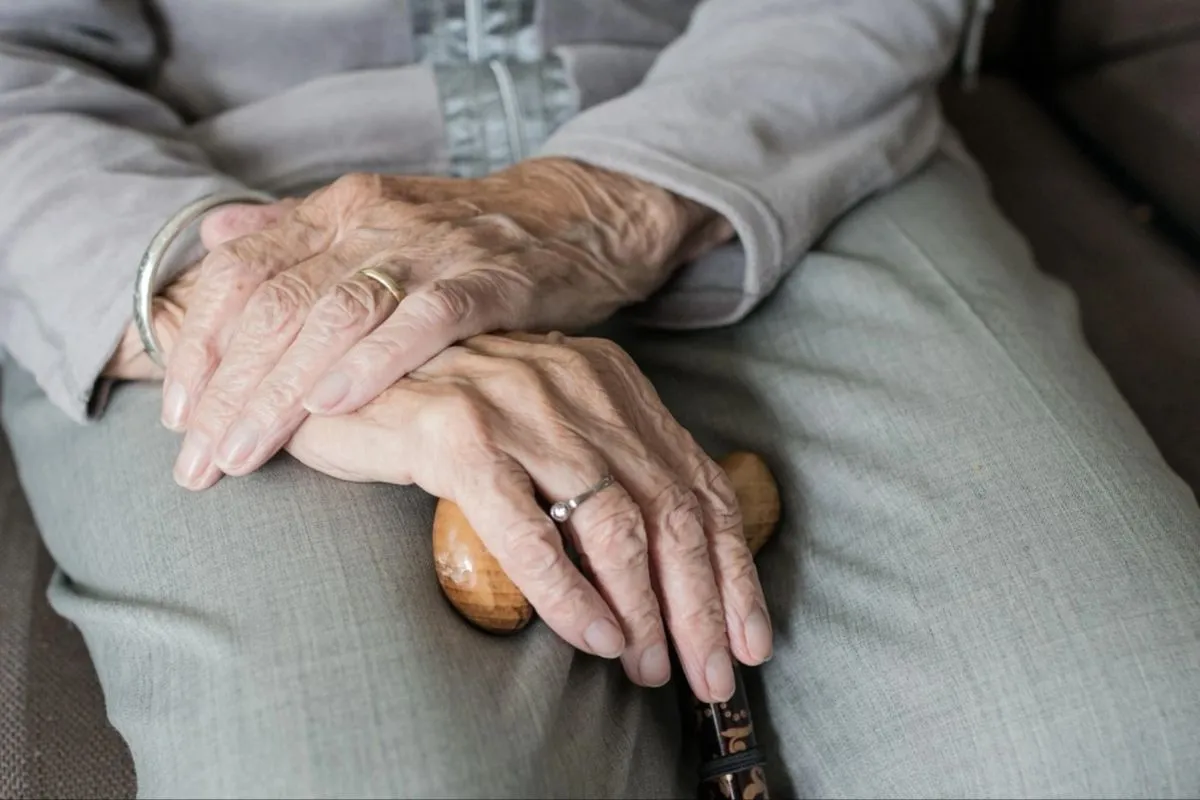
For Romanian seniors, this change may carry particular implications, given that older people use medical services more frequently and generally require longer recovery periods. The one-day reduction in publicly funded payment could pose an additional financial challenge for pensioners on limited incomes, who are already contending with rising costs for medication and medical care.
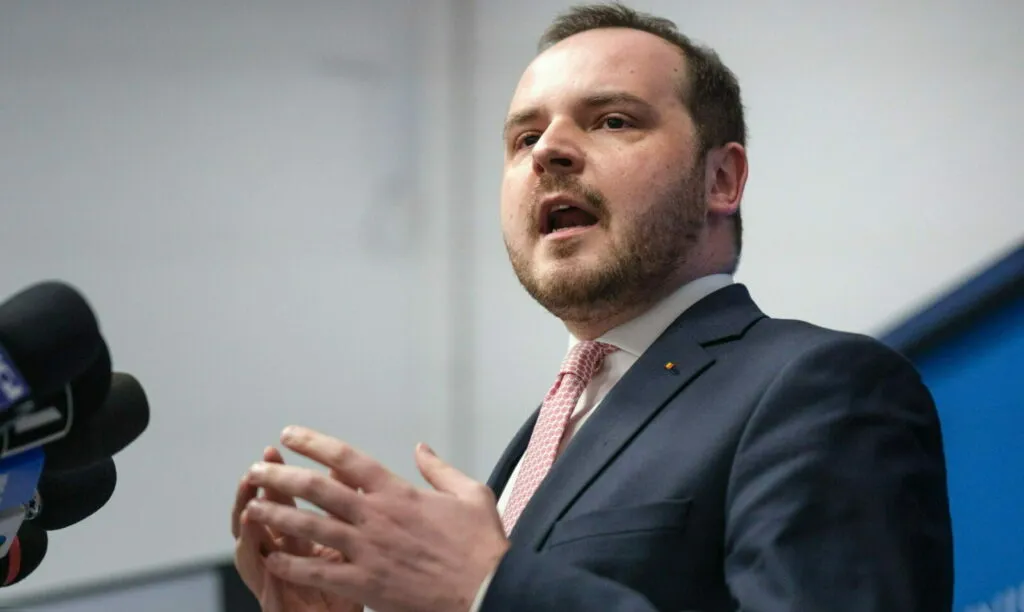
The Minister of Health, Alexandru Rogobete, noted that the draft may undergo last-minute amendments during the Government session itself, suggesting that details regarding implementation or the list of exemptions could still be adjusted in order to strike a balance between the need for budgetary savings and the social protection of vulnerable patients.
Content paraphrased and adapted by SeniorHelp from verified public sources.
Original source: Realitatea →Previous article
Price hikes from 1 January: pensions frozen as taxes and prices rise
Next article
Government to Discuss Supported Living Services for People with Disabilities
Similar news
CNAS Opens Competition for 16 Director General Positions at Health Insurance Houses
14 October 2026
Health sector needs 8 billion RON by year's end, Rogobete warns
13 October 2026
Ministry of Health Requests 800 Million RON: Without Funding, Emergency Services and Ambulance Risk Disruption
13 October 2026

Senate passes law: cancer patients' companions will receive paid leave for medical investigations
13 October 2026

Negrescu warns: Romania risks receiving less European funding following EU budget cuts
11 October 2026
CASS on pensions: the 3,000 RON threshold could be reduced from 2027
9 October 2026