
Electricity bills could rise by 12-15%, energy suppliers warn
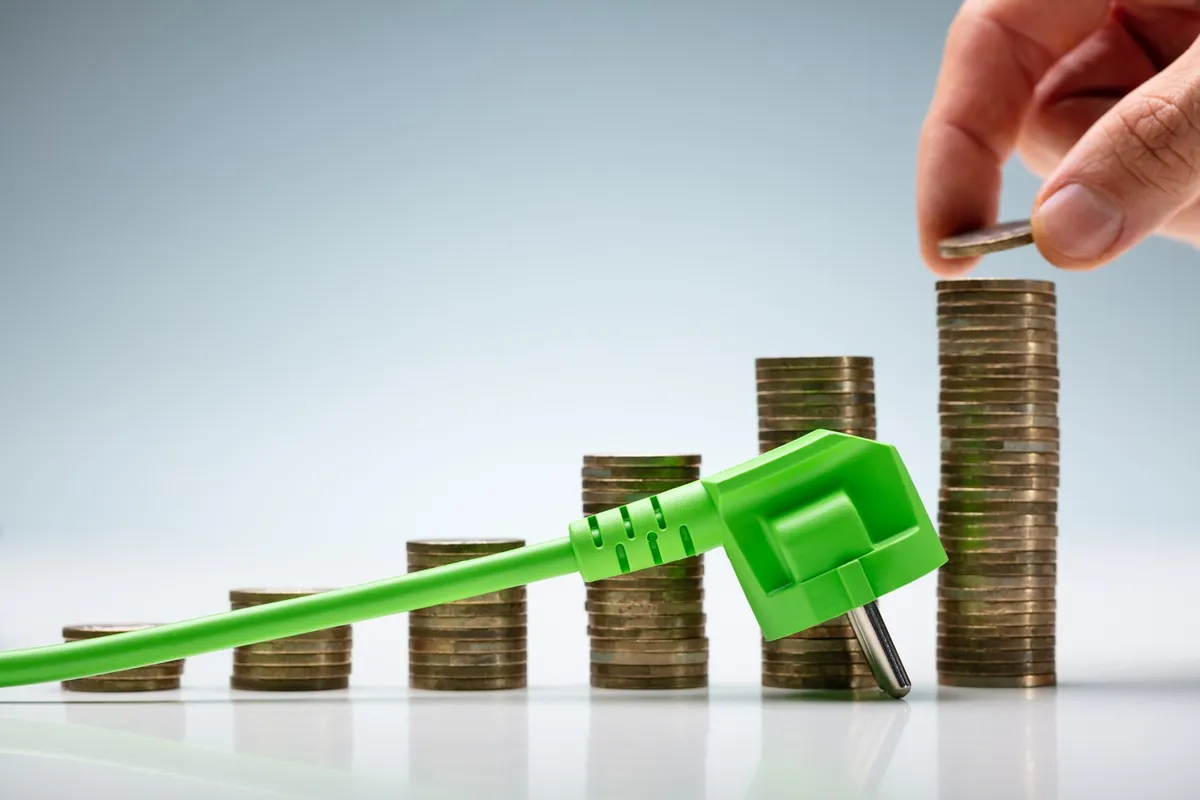
Energy prices in Europe have risen by 30% since July. Suppliers are forecasting bill increases of 12–15%, potentially higher if taxes are also raised.
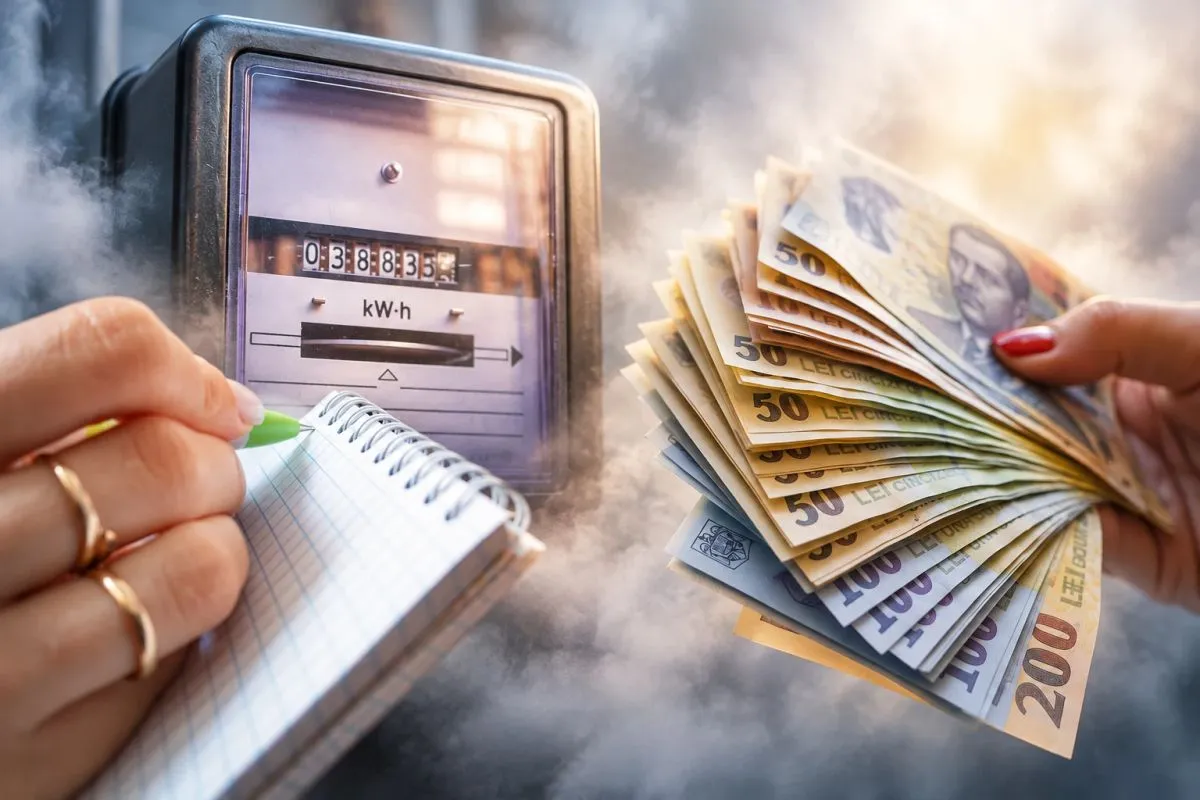
Seniors and their families should prepare for higher electricity bills, as energy purchase prices have risen by approximately 30% since July, both in Romania and across other European countries. The price increase also affects energy to be delivered next year, meaning the impact will be felt gradually in bills.
Laurențiu Urluescu, president of the Association of Electricity Suppliers in Romania (AFEER), explains that a 30% rise in energy prices does not automatically mean a 30% increase in bills. This is because energy accounts for only around 40% of a household customer's bill, with the remaining 60% made up of taxes.
"A 30% increase in the price of energy will not mean a 30% rise in bills, because in the bill structure for a residential end customer, energy accounts for only 40%, with the rest being taxes. This means the effect on bill increases will be between 12% and 15%. But only if the other charges remain unchanged — that is, if they are not also increased," said Laurențiu Urluescu, as quoted by National.ro.
Who will feel the price changes
Consumers on fixed-price contracts should not notice any changes during the term of their contract. However, the situation will change upon renewal or when switching to a different supplier, at which point prices reflecting the new market conditions will apply.
Romania faces a shortage of affordable energy
According to supplier representatives, Romania does not have the highest energy prices in the European Union, but its population has lower purchasing power than in other member states. Furthermore, the country does not have sufficient affordable energy to meet domestic demand, meaning imports from neighbouring countries have helped prevent even steeper price rises — particularly in light of the issues arising at Nuclearelectrica.
"Right now, with the situation at Nuclearelectrica, it has been very fortunate for us to have had a coupled market and to have been able to import from our neighbours, because otherwise prices would have been much higher. [...] We actually have a shortage of cheap energy," explained the AFEER president.
Suppliers owed billions of RON by the state
In addition to rising energy prices, suppliers are also facing difficulties in financing their purchases. Although the supply margin sits between 5% and 10%, companies require ever-larger sums to buy energy, whilst the state delays the payment of compensation.
"We have, however, billions of RON to recover from the state through compensation schemes — around 3–4 billion RON. The last month confirmed and settled by the authorities is January 2024, so we still have outstanding amounts through to 30 June 2025. [...] We are doing everything we can to keep the impact on the end consumer as low as possible, although this is difficult given current market conditions. Nuclearelectrica's exit from the system has affected us all, directly or indirectly," stated Laurențiu Urluescu.
Why energy prices have risen
Supplier representatives say the price increases have not been driven by higher consumption, but rather by a reduction in the amount of energy available on the market. One contributing factor is the smaller number of traders, as Emergency Ordinance 27/2022 imposed excessive taxation on energy trading activity, driving many of them out of the market.
"These traders were bringing energy into the market, and now, unfortunately, it is mainly producers who sell energy — so when a producer is absent, as is the case with Nuclearelectrica, it is already being felt. Being a trader is not straightforward. [...] You need quite a large infrastructure and quite significant financial capacity," Laurențiu Urluescu added.
Suppliers believe that a greater supply of energy on the market would help limit future price increases.
Content paraphrased and adapted by SeniorHelp from verified public sources.
Original source: Realitatea →Previous article
Hepatic Elastography: the test that reveals how damaged your liver is
Next article
Raw milk can contain dangerous bacteria: who is at risk of severe illness
Similar news
Average net salary fell to 5,688 RON in August, below inflation
13 October 2026

Annual inflation rose to 6.61% in September, INS announces
13 October 2026

Higher bills this winter: Hidroelectrica raises energy prices, gas prices are also on the rise
11 October 2026
BNR explains why the euro has climbed to new all-time highs against the leu
8 October 2026
BNR Keeps Key Interest Rate at 6.50%. Inflation Falls, Economy Remains Fragile
8 October 2026
Cristian Bușoi: electricity prices will rise, but not by 50%
7 October 2026