
Green Mediterranean diet improves genes associated with healthy ageing
A international study shows that the green Mediterranean diet can activate beneficial genes for heart health, diabetes prevention, and healthy ageing.
An important discovery for elderly health
Researchers from an international team, coordinated by Ben-Gurion University of the Negev (Israel), have made a significant discovery with direct implications for the health of older people: the green Mediterranean diet has the capacity to positively influence the activity of genes that are essential to the body. These genes are associated with cardiovascular health, the prevention of type 2 diabetes, and the process of healthy ageing.
What is the green Mediterranean diet?
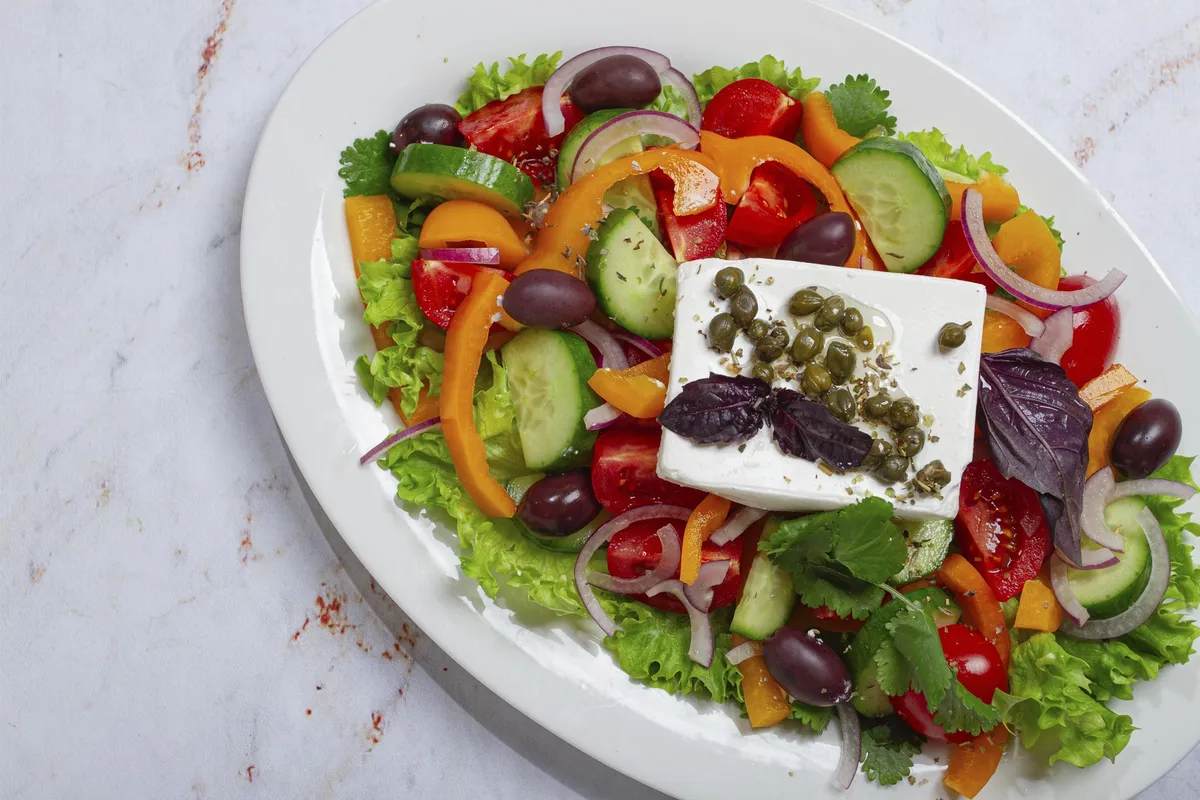
The green Mediterranean diet is an enhanced version of the well-known traditional Mediterranean diet, with an even greater emphasis on plant-based foods. Compared to the classic version, it further reduces the consumption of meat and animal products in favour of vegetables, fruits, legumes, nuts, seeds, and extra virgin olive oil. This dietary approach lays the foundation for a lifestyle that can support the body over the long term.
Impact on genes and biological processes
The study showed that adopting this diet can favourably alter the expression of genes involved in biological processes that are critical for older people. The improvement in the activity of genes related to heart health is particularly relevant, given that cardiovascular diseases represent one of the leading causes of death and hospitalisation amongst older adults. Similarly, the activation of genes associated with diabetes prevention is extremely important, as type 2 diabetes affects a large number of people over the age of 60.
Benefits for healthy ageing
A particularly valuable aspect of these findings is that the green Mediterranean diet also appears to positively influence the genes associated with the ageing process itself. This suggests that diet can play an active role not only in treating illness, but also in slowing certain biological processes that lead to a decline in health as we age. For older adults, this is encouraging news: a relatively accessible dietary change can bring measurable benefits at a genetic level.
Practical recommendations for older adults and carers
Specialists recommend that older people and their carers consider gradually incorporating the principles of the green Mediterranean diet into their daily eating habits. This involves:
- Increasing consumption of fresh, varied, and colourful vegetables and fruits
- Regularly introducing legumes (lentils, chickpeas, beans) as a source of plant-based protein
- Eating nuts and seeds as healthy snacks
- Using extra virgin olive oil as the primary fat in cooking
- Gradually reducing red meat and processed products
- Including fish and seafood several times a week
Before making any significant dietary changes, it is recommended that older adults — particularly those with chronic conditions or who are taking medication — consult their GP or a nutrition specialist.
Content paraphrased and adapted by SeniorHelp from verified public sources.
Original source: Digi24 →Previous article
Heatwave Overwhelms Bucharest Ambulance Service: Thousands of Calls, Hundreds of People Collapsing in the Street
Next article
Heatwave wreaks havoc: thousands of ambulance calls in Bucharest-Ilfov in just a few days
Similar news

Peste 80.000 de infecții respiratorii în România într-o săptămână, arată datele INSP
9 October 2026

Coronary Angiography: the investigation that reveals blockages in the heart's arteries
8 October 2026
DEXA: the scan that shows how healthy your bones are
8 October 2026
 Foto ilustrativă
What sleeping position is healthy? A doctor explains the risks of poor posture
8 October 2026

New COVID XFG variant circulating in Europe: cold-like symptoms
7 October 2026
 Foto ilustrativă
Irregular heartbeats: when they are cause for concern, a cardiologist explains
7 October 2026