
Gas bills rising by 35% - major impact for seniors on low pensions
The expiration of gas price caps in April could bring increases of up to 35% on bills, severely affecting pensioners' budgets.
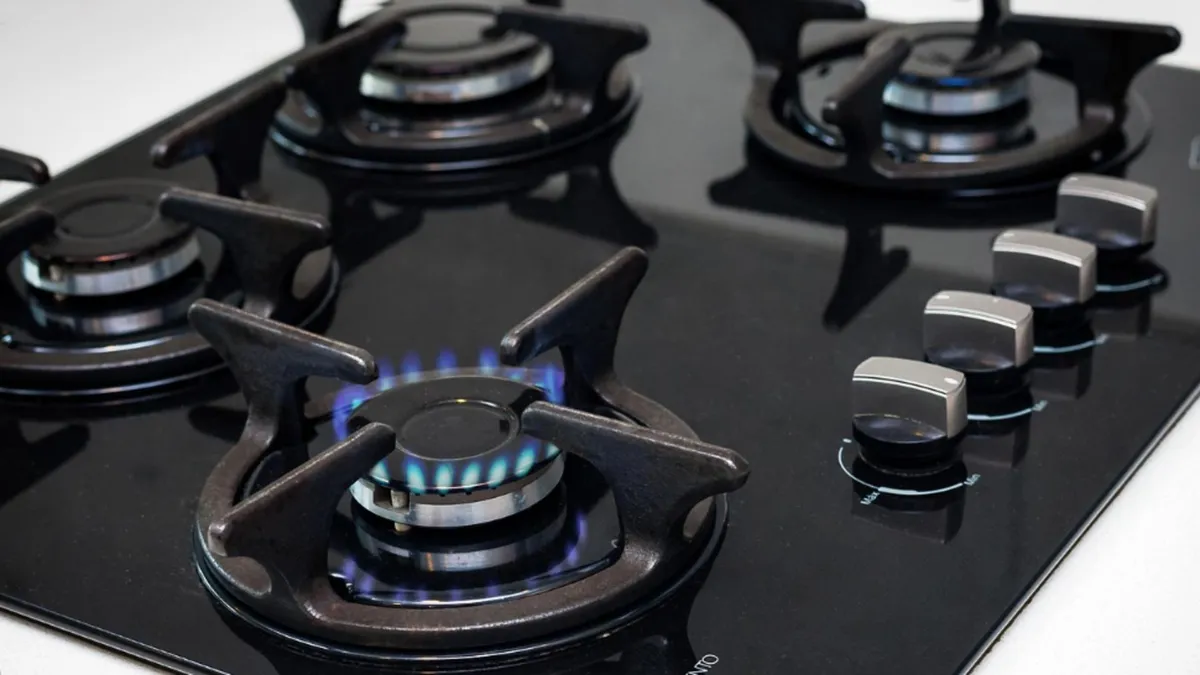
Seniors in Romania are facing a major new financial challenge, as natural gas bills could rise dramatically from 1 April. The expiry of the price capping scheme will hit pensioners particularly hard, as they are already struggling to maintain a decent standard of living on their current pensions.
According to expert estimates, gas prices could increase by as much as 35% — a devastating blow to elderly people's budgets. To understand the practical impact: pensioners will pay approximately 0.05 RON more per kilowatt-hour for domestic consumption, with the price rising from 0.31 RON to 0.36 RON inclusive of VAT.
The direct impact on seniors
For an elderly person living alone who uses gas on average for heating, cooking and hot water, this increase means hundreds of RON extra on their annual bills. Given that many pensioners receive pensions of under 1,500 RON per month, any rise in costs becomes a significant burden on the household budget.
The situation becomes even more complex for seniors who require home care or who live in specialist care homes. These facilities will need to recalculate their operating costs, which could lead to higher charges for the services provided to elderly residents.
Protective measures for elderly people
Social sector specialists are advising pensioners to renegotiate their contracts with gas suppliers and to compare the offers available on the market. Investment in energy efficiency — such as thermal insulation of the home — can also reduce consumption and, in turn, lower bills.
For families caring for elderly parents, this situation calls for careful budget planning and the possible reallocation of financial resources. Many adults will need to provide additional support to their retired parents in order to cope with the new costs.
The uncertainty in Romania's energy market is particularly affecting the vulnerable group of seniors, who have fixed incomes and limited capacity to adapt to sudden economic changes. This situation underlines the need for a more attentive social policy — one that is responsive to the specific needs of the elderly population in the context of energy crises.
Content paraphrased and adapted by SeniorHelp from verified public sources.
Original source: Realitatea →Previous article
The importance of nature in the healing process after cancer: lessons from a survivor
Next article
Funeral Services to Become More Expensive in 2026: Major Impact on Low-Income Families
Similar news
 Foto ilustrativă
The Senate has voted on the ROBOR credit recalculation law. Romanians could receive money back from banks
14 October 2026

Senate wants recalculation of loans affected by ROBOR, based on IRCC
14 October 2026

Bușoi: The Next Government Must Quickly Decide Whether to Extend the Gas Support Scheme
14 October 2026

Average net salary fell to 5,688 RON in August, below inflation
13 October 2026

Annual inflation rose to 6.61% in September, INS announces
13 October 2026
Higher bills this winter: Hidroelectrica raises energy prices, gas prices are also on the rise
11 October 2026