
Daily consumption of chilli peppers linked to increased risk of oesophageal cancer
A study conducted on over 11,000 people suggests that daily consumption of chilli peppers could triple the risk of oesophageal cancer, due to capsaicin.
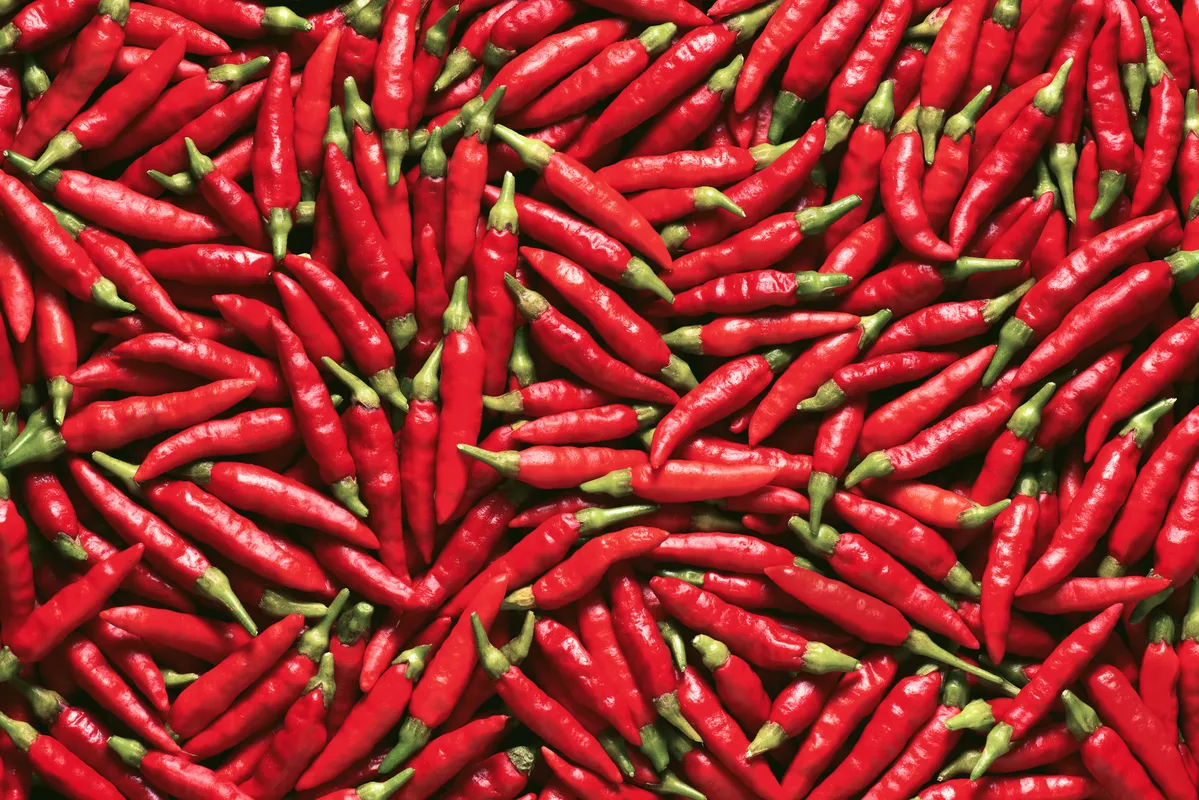
Daily consumption of chilli peppers, whether cooked or raw, could be associated with a higher risk of developing an aggressive form of cancer, according to a recent study conducted on more than 11,000 participants.
Researchers warn that, in large quantities, the benefits attributed to chilli peppers are lost, and frequent consumption could promote the development of malignant tumours in the oesophagus. Oesophageal cancer is considered, according to recent statistics cited in the study, the sixth most aggressive type of cancer in the world.
The compound responsible is thought to be capsaicin, the naturally occurring substance that gives chilli peppers their heat. Although some research attributes beneficial effects to it, such as reducing inflammation and boosting metabolism, the study's authors argue that, in large quantities, capsaicin can cause chronic irritation of the tissues, thereby creating conditions favourable to the development of tumour cells.
According to the study's findings, people who consume large quantities of chilli peppers could have up to three times the risk of developing oesophageal cancer. Furthermore, their risk of developing other types of tumours in the gastrointestinal tract could be 64% higher.
Content paraphrased and adapted by SeniorHelp from verified public sources.
Original source: Digi24 →Previous article
Why We Lose Consciousness Under Anaesthesia: What a Japanese Study Has Discovered
Next article
The minimum wage has increased by 125 RON, but inflation cancels out the effect for 1.8 million Romanians
Similar news

First influenza-related death of this season confirmed by INSP: unvaccinated man from Cluj
16 October 2026

Partial Nephrectomy: The Operation That Treats Kidney Tumours and Preserves the Kidney
16 October 2026

Time spent in nature could improve one's relationship with food, a British study suggests
16 October 2026

What a liver operation involves: preparation and recovery
15 October 2026

Cardiac MRI: the investigation that provides detailed images of the heart
15 October 2026

Chronic insomnia linked to higher risk of stroke, dementia and hospitalisation, shows study of 1.3 million people
14 October 2026