
Who Can Combine a Pension with a Salary in 2026: Rules and Income Limits
Guide on who can receive both a pension and a salary at the same time in 2026, what restrictions apply, and how the pension can be recalculated for those who are still working.
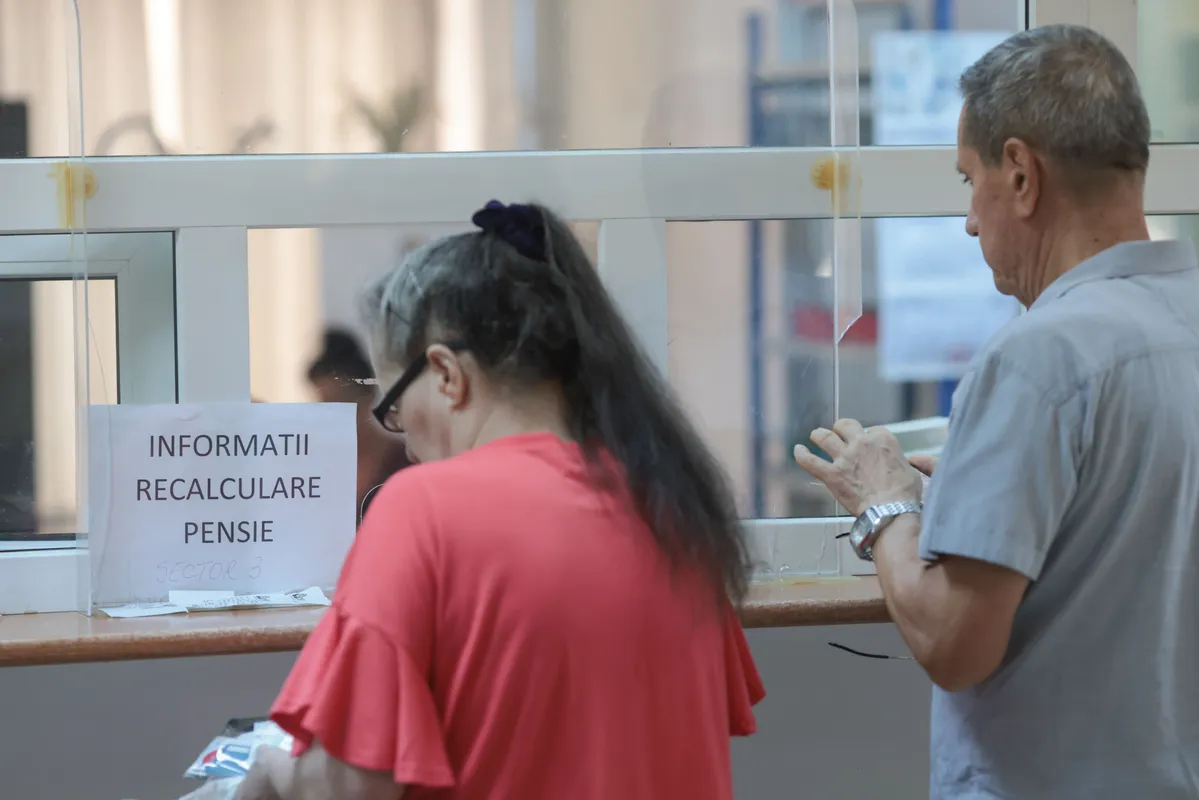
Retirees in the public pension system can, in certain circumstances, earn income from work without losing their entitlement to a pension. The rules also apply to those receiving a disability pension, regardless of the degree of disability, though restrictions exist for early retirees and for surviving spouses receiving a survivor's pension.
Continuing in employment after retirement also has implications for how subsequently paid contributions are calculated.
Who can combine a pension with other income
Under the Tax Code, retirees in the public system may simultaneously receive their pension and income earned from employment for which social insurance contributions are paid (i.e. a salary received under an individual employment contract).
Combining income is also permitted for those working as domestic service providers under Law no. 111/2022, provided that social insurance contributions are paid on those amounts. Combining a pension with income from other activities for which this contribution is paid is likewise permitted, subject to the exceptions provided by law.
- A domestic service provider is an individual who may perform occasional domestic activities in one or more households, remunerated exclusively through domestic activity vouchers, as provided by law. The work may be carried out at the beneficiary's household, at the provider's home, or at another location agreed upon by both parties.
According to information published by the National House of Public Pensions (CNPP), there is no income ceiling on earnings from these activities that would affect the right to combine income. Individuals who have retired on grounds of age may continue to work and simultaneously receive both their pension and their salary, under the conditions set out in Law no. 360/2023 on the public pension system.
Disability pensioners may earn income regardless of degree
Under Law no. 360/2023, recipients of a disability pension may combine their pension with other income, regardless of the degree of disability in which they are classified.
The CNPP states: "Disability pensioners may combine their pension with other income regardless of the degree of disability." This is one of the changes introduced by the new pensions legislation.
Who cannot combine a pension with other income
A specific restriction applies to surviving spouses receiving a survivor's pension: they may not combine their pension with monthly income exceeding the guaranteed national gross minimum wage.
With effect from 1 July 2026, the gross minimum wage is 4,325 RON, pursuant to Government Decision no. 146/2026. This is therefore the applicable threshold for the second half of 2026. The restriction applies when monthly income exceeds this amount.
Recipients of an early retirement pension may not simultaneously receive their pension and income from an individual employment contract or a service relationship.
The same restriction applies to persons holding elected office or appointed positions within executive, legislative, or judicial authorities, for the duration of their mandate. This category also includes craftsmen's cooperative members whose rights and obligations are, under law, assimilated to those mentioned above.
When can a pension recalculation be requested
Retirees who have reached retirement age and continue working after retirement may apply to have the contributory period accumulated thereafter taken into account. This recalculation, through the addition of the subsequent working period, may be requested once per calendar year.
The contributory period accrued during the time a pension is combined with employment income may be used in recalculating the pension, but is not taken into account for the award of stability points, according to the CNPP.
Separately, a government-initiated bill provides that persons receiving service pensions or military state pensions who continue working in a public institution would receive only 15% of their pension. The bill passed the Senate tacitly, without debate or a vote, following the expiry of the adoption deadline, with the final decision to be taken by the Chamber of Deputies.
Content paraphrased and adapted by SeniorHelp from verified public sources.
Original source: Digi24 →Previous article
Gas prices have risen dramatically: record high for this time of year
Next article
Hot tea and coffee triple the risk of oesophageal cancer, Oxford study shows
Similar news
 Foto ilustrativă
Pension indexation 2027: what options the Government is considering for the minimum pension
23 October 2026
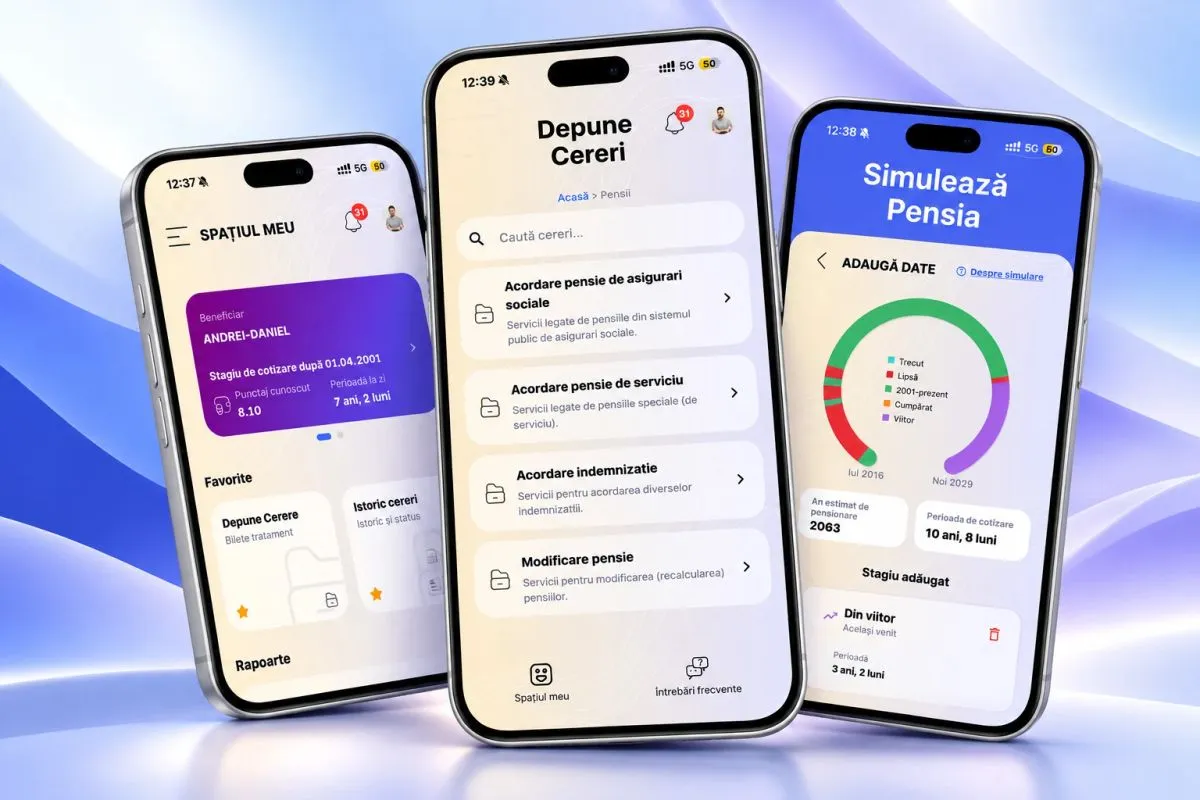
MyCNPP: the Pension House app that lets you check your contribution period and pension estimate
23 October 2026
A commune in Vrancea, with 3,700 inhabitants, has been looking for a dentist for 7 years
22 October 2026
Mayor of Craiova: Property taxes cannot be calculated at market value from 2027
22 October 2026
 Foto ilustrativă
BT Pensii reaches 300,000 participants and over 1 billion RON in assets
22 October 2026
New Health Minister: Hospitals need over 10 billion RON, I will request funds from the reserve fund
21 October 2026