
Elderflower Tea - the Natural Remedy That Strengthens Seniors' Immunity Against Flu
Elderflower tea offers multiple health benefits for older adults: it fights respiratory infections, reduces joint inflammation and supports the immune system.
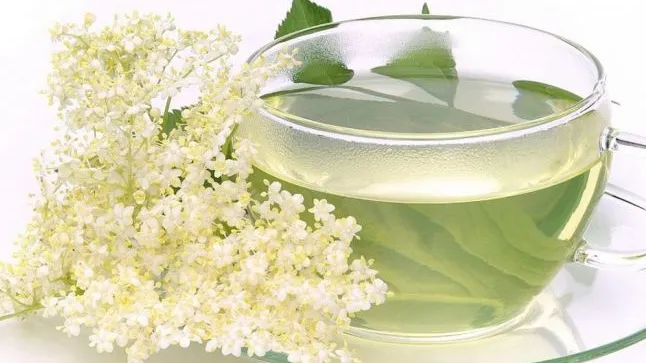
For seniors seeking natural alternatives to strengthen their immune system and combat seasonal ailments, elderflower tea proves to be a valuable ally. This traditional drink, with a history spanning thousands of years in folk medicine, offers a wide range of health benefits for older adults, and is particularly effective in preventing and treating colds and flu.
One of elderflower tea's most valuable properties for older people is its ability to stimulate the immune system. Thanks to its high vitamin C content and antiviral properties, this natural infusion helps the body defend itself more effectively against the respiratory infections that are common during the cold season. For seniors with weakened immunity, regular consumption of elderflower tea can serve as an important preventive measure.
Respiratory and anti-inflammatory benefits
Elderflower tea proves particularly useful in easing the respiratory problems that frequently affect older adults. Elderflowers reduce inflammation and irritation of the nasal mucosa, making them effective in treating sinusitis, acute bronchitis, and productive coughs. This property is especially important for seniors who suffer from chronic respiratory conditions or who are more susceptible to respiratory tract infections.
The anti-inflammatory properties of elderflower tea are particularly beneficial for older adults dealing with joint pain or rheumatic conditions. Regular consumption can help reduce inflammation and alleviate symptoms associated with arthritis or gout, thereby improving the quality of life for elderly people.
Supporting digestive and renal function
The digestive systems of seniors benefit significantly from the antiseptic properties of elderflower tea. This natural drink regulates intestinal transit by eliminating harmful bacteria and supports the normal functioning of the digestive system. For older adults struggling with constipation or digestive disorders, elderflower tea can offer a gentle and natural solution.
The diuretic effect of elderflower tea is beneficial for seniors' kidney health. This property stimulates optimal kidney function and aids in the elimination of toxins from the body, making it especially important for older adults with kidney or bladder problems.
Antioxidant protection and external use
The high quercetin content and other flavonoids make elderflower tea a powerful antioxidant, essential for protecting cells against oxidative stress. For seniors at risk of chronic disease, this antioxidant protection can be crucial in maintaining optimal health.
Elderflower tea can also be used externally, in the form of compresses, to soothe irritated skin, minor sunburn, or to reduce localised joint inflammation. This versatility makes it a comprehensive remedy for a variety of health concerns among older adults. Before adopting any herbal treatment, seniors should consult their GP to ensure there are no contraindications with their existing medication.
Content paraphrased and adapted by SeniorHelp from verified public sources.
Original source: Realitatea →Previous article
Stroke at 36: A Wake-Up Call for Prevention at Any Age
Next article
Hidden danger at breakfast: the substance that raises heart attack risk in seniors by 80%
Similar news
Microplastics in tap water can be reduced through boiling and filtering, a study shows
16 October 2026

Over 350,000 doses of flu vaccine to arrive in pharmacies next week
16 October 2026

First influenza-related death of this season confirmed by INSP: unvaccinated man from Cluj
16 October 2026
Partial Nephrectomy: The Operation That Treats Kidney Tumours and Preserves the Kidney
16 October 2026

Time spent in nature could improve one's relationship with food, a British study suggests
16 October 2026

What a liver operation involves: preparation and recovery
15 October 2026