
Irregular heartbeats: when they are cause for concern, a cardiologist explains
Dr. Alexandru Covaciu explains the difference between fleeting palpitations and the signs of an arrhythmia, the warning symptoms, and the recommended investigations.
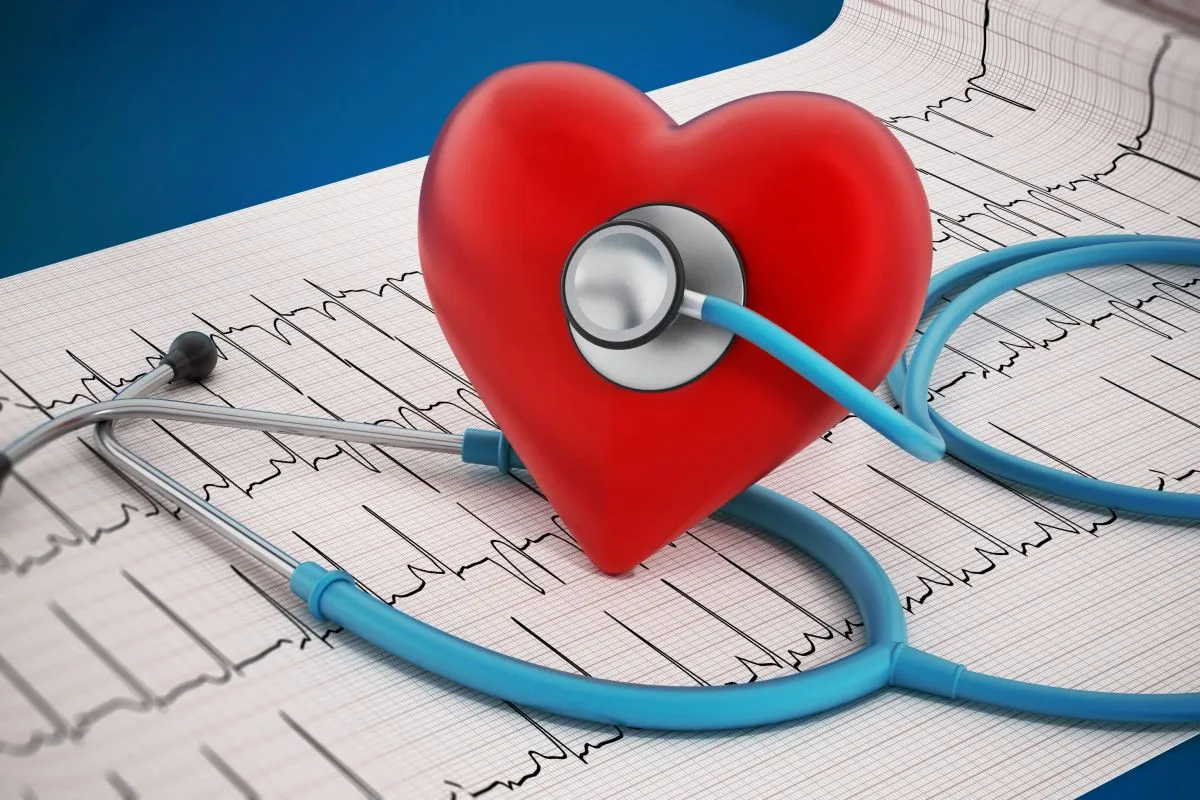
 Foto ilustrativă
The sensation of an irregular heartbeat, also known as palpitations, sometimes occurs without indicating a health problem. At other times, however, it may be linked to an arrhythmia or a cardiovascular condition requiring medical assessment. Dr Alexandru Covaciu, a specialist in cardiology, explained to Digi24.ro what causes these symptoms, when they become a cause for concern, and which warning signs should not be ignored.
What irregular heartbeats are
According to the doctor, irregular heartbeats occur when the heart beats too fast, too slowly, or unevenly. They may be felt as a "fluttering" sensation in the chest, a strong thump, a brief pause between beats, or pulsations in the throat or ears. Episodes can occur at rest — including when lying down — during physical exertion, or suddenly, with no apparent reason. They are often fleeting and of no medical significance, but sometimes they indicate an arrhythmia that requires specialist assessment.
How to tell transient palpitations apart from a genuine problem
Dr Covaciu notes that not every palpitation indicates a medical condition. Extrasystoles — extra heartbeats — can occur in almost anyone within any given 24-hour period and are felt as a strong beat followed by a brief pause, after which the rhythm returns to normal.
There are also situations in which a person does not actually have an abnormal heartbeat, but is simply more acutely aware of their own heart rhythm. By contrast, if the heart is beating normally and then suddenly begins to beat very rapidly, with the episode stopping just as abruptly, this pattern may conceal a genuine rhythm disorder.
The doctor emphasises that the mere sensation of palpitations is not sufficient for a diagnosis — what matters is the frequency, duration, context of occurrence, and associated symptoms. If episodes recur, appear without a clear cause, or are accompanied by other symptoms, a cardiology consultation is recommended.
Symptoms that require medical attention
According to the specialist, palpitations associated with chest pain or pressure, difficulty breathing, pronounced dizziness, a feeling of faintness, or loss of consciousness are warning signs that should not be ignored, particularly if they occur suddenly or during an episode of irregular rhythm.
A consultation is also advisable when the heart beats very rapidly or unevenly for a prolonged period, when episodes become increasingly frequent, or when they occur during physical exertion. If severe symptoms arise suddenly — such as intense chest pain, significant difficulty breathing, fainting, or a general deterioration in wellbeing — prompt medical assistance should be sought.
The most common causes
Dr Covaciu explains that the heart operates through both a mechanical and an electrical component, and that some conditions causing palpitations relate to the heart's electrical system.
- Paroxysmal tachycardias — these occur when accessory electrical conduction pathways are present, acting as a kind of "shortcut" compared to the normal route of the electrical impulse, which can trigger episodes of very rapid heart rhythm.
- Atrial fibrillation — a rhythm disorder in which the atria (the upper chambers of the heart) no longer contract in synchrony with the ventricles (the lower chambers). It is one of the most common cardiac rhythm disorders and a significant cause of stroke.
- Genetic conditions or diseases of the heart muscle that gradually impair its ability to function normally.
Other factors that can trigger palpitations, according to the doctor, include stress, anxiety, panic attacks, sleep deprivation, fatigue, and dehydration, as well as excessive consumption of caffeine, alcohol, or other stimulant substances. Certain medications — such as some asthma inhalers and nasal decongestants — can affect heart rhythm, as can thyroid disorders and electrolyte imbalances.
Investigations recommended by doctors
Depending on the symptoms and medical history, assessment may begin with an electrocardiogram (ECG), which records the electrical activity of the heart. If palpitations are not occurring at the time of the test, the investigation may not capture the rhythm disorder.
In such cases, the doctor may recommend a Holter ECG, which continuously monitors heart rhythm for 24 hours or several days. For rare episodes occurring at long intervals, a loop recorder may be used — a small device implanted beneath the skin of the chest, capable of recording cardiac activity for up to six months.
Depending on the situation, assessment may also include blood tests (including thyroid function and electrolyte levels) or a stress test if symptoms occur during physical activity.
Habits that support a normal heart rhythm
Dr Covaciu recommends a balanced lifestyle to reduce episodes of palpitations: adequate sleep, proper hydration, and regular physical activity. Limiting consumption of caffeine, alcohol, and energy drinks is also beneficial, particularly for those who notice that these substances trigger or worsen their symptoms. Managing stress and avoiding smoking can likewise play an important role in maintaining a healthy heart rhythm.
Content paraphrased and adapted by SeniorHelp from verified public sources.
Original source: Digi24 →Previous article
How much a Romanian household earns and spends, according to INS
Next article
Why We Feel More Tired in Autumn: What the Specialists Say
Similar news

What a liver operation involves: preparation and recovery
15 October 2026
Cardiac MRI: the investigation that provides detailed images of the heart
15 October 2026
Chronic insomnia linked to higher risk of stroke, dementia and hospitalisation, shows study of 1.3 million people
14 October 2026

He Survived Colon Cancer Three Times. He Hid the First Sign for Years
13 October 2026

DXA Osteodensitometry: how bone density and fracture risk are assessed
13 October 2026
Chronic inflammation can damage the heart before symptoms appear, shows a study of 488,000 people
13 October 2026