
"Storm Asthma": the respiratory phenomenon that can affect even children without a diagnosed asthma condition
Doctors in Timișoara are warning about "thunderstorm asthma", a respiratory crisis triggered by pollen, humidity and strong winds during summer storms.
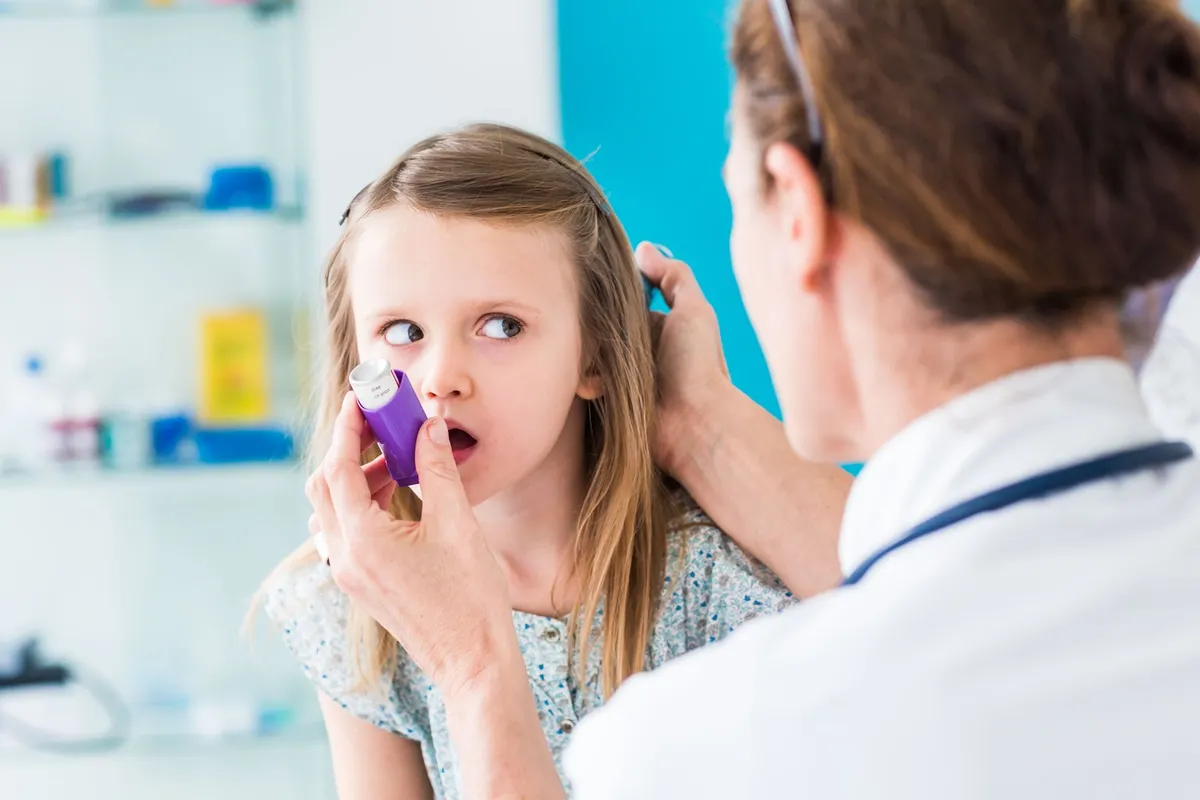
Severe coughing, wheezing, a tight feeling in the chest, and shortness of breath occurring during a summer storm may be signs of an asthma attack. Doctors in Timișoara are drawing attention to a phenomenon known as "thunderstorm asthma", which can affect even children who have not previously been diagnosed with asthma.
According to specialists, there are no statistics in Romania on the number of such episodes, as the phenomenon is generally unrecognised and under-reported.
"The child arrives at the emergency department with breathing difficulties, and the case is recorded as an asthma attack, a bronchospasm episode, or an allergic reaction. The connection with the storm and the high pollen concentration most often goes unnoticed," states a press release from the Paediatric Pulmonology Department of Spitalul Județean Timișoara, issued on Tuesday, according to News.ro.
Thunderstorm asthma is not a separate condition, but an acute respiratory reaction caused by the combination of high levels of pollen in the air, elevated humidity, and the strong winds that precede and accompany a storm.
"Normally, rain is considered beneficial for people with allergies, as it temporarily clears pollen from the air. During severe summer storms, however, the effect can be quite the opposite. Air currents carry large quantities of pollen from the upper layers of the atmosphere down towards the ground. Due to the humidity, pollen particles absorb water and break apart into extremely small fragments. Whereas whole particles are, in most cases, stopped in the nose and throat, the resulting fragments can penetrate deep into the airways and reach the bronchi. Once inhaled, these can cause inflammation and narrowing of the airways, triggering an asthma attack," explained Prof. Dr. Ioana Ciucă, consultant paediatric pulmonologist and head of the Paediatric Pulmonology Department at Spitalul Județean Timișoara.
Who is at risk and what doctors recommend
Children with allergic asthma are the most vulnerable, particularly when the condition is not well controlled or treatment is not followed as prescribed. There are also children who have not been diagnosed with asthma but are sensitive to pollen, and who typically experience sneezing, a blocked nose, nasal discharge, itching, or watery eyes.
During a storm, these children may experience severe coughing, wheezing, and a sensation of breathlessness for the first time. Symptoms can appear even before the rain begins, as the strong gusts that precede a storm carry pollen and its fragments across wide areas. Mould spores, dust, and other irritant particles may also become airborne, potentially worsening respiratory problems.
The phenomenon occurs most commonly during periods of high pollen concentration, particularly from grasses, with the risk being greater on hot days followed by severe storms.
"When a storm is forecast, parents of children who are allergic to pollen or have been diagnosed with asthma are advised to close the windows and keep their children indoors. The child should follow their prescribed treatment and have their emergency medication readily available for situations where symptoms worsen. The maintenance treatment should not be stopped simply because the child feels well during a given period. It is precisely consistent adherence to this treatment that reduces the risk of a severe attack," added Ioana Ciucă.
The doctor notes that climate change is contributing to longer pollen seasons, higher levels of airborne pollen, and more frequent extreme weather events, which could lead to an increase in the number of storm-induced asthma episodes.
Parents should seek immediate medical assistance if their child is having difficulty breathing, cannot speak normally due to breathlessness, is breathing rapidly or with effort, becomes agitated or drowsy, or if their lips begin to take on a bluish tinge.
Content paraphrased and adapted by SeniorHelp from verified public sources.
Original source: Digi24 →Previous article
10 Simple and Effective Techniques to Keep Anxiety Under Control
Next article
Two Doctors from Iași Sent to Trial: 185 Patients Allegedly Received Devices from Deceased Individuals
Similar news
 Foto ilustrativă
Flu vaccines delayed: over 350,000 doses to reach pharmacies by the end of the week
19 October 2026

At 86, Two Serious Cardiovascular Conditions Discovered by Chance
19 October 2026

What is the ideal sleep duration? Researchers have calculated it precisely, in hours and minutes
19 October 2026
Late-night eating linked to increased risk of fatty liver disease and cirrhosis, study shows
19 October 2026
The heart has its own "mini-brain": what a recent study has discovered about its neuronal network
19 October 2026

Mihaela Bilic: why we eat in the evening and when it becomes a problem
18 October 2026