
10 Simple and Effective Techniques to Keep Anxiety Under Control
Controlled breathing, movement, mindfulness, and other psychology-validated methods can reduce everyday anxiety without radical changes to your routine.
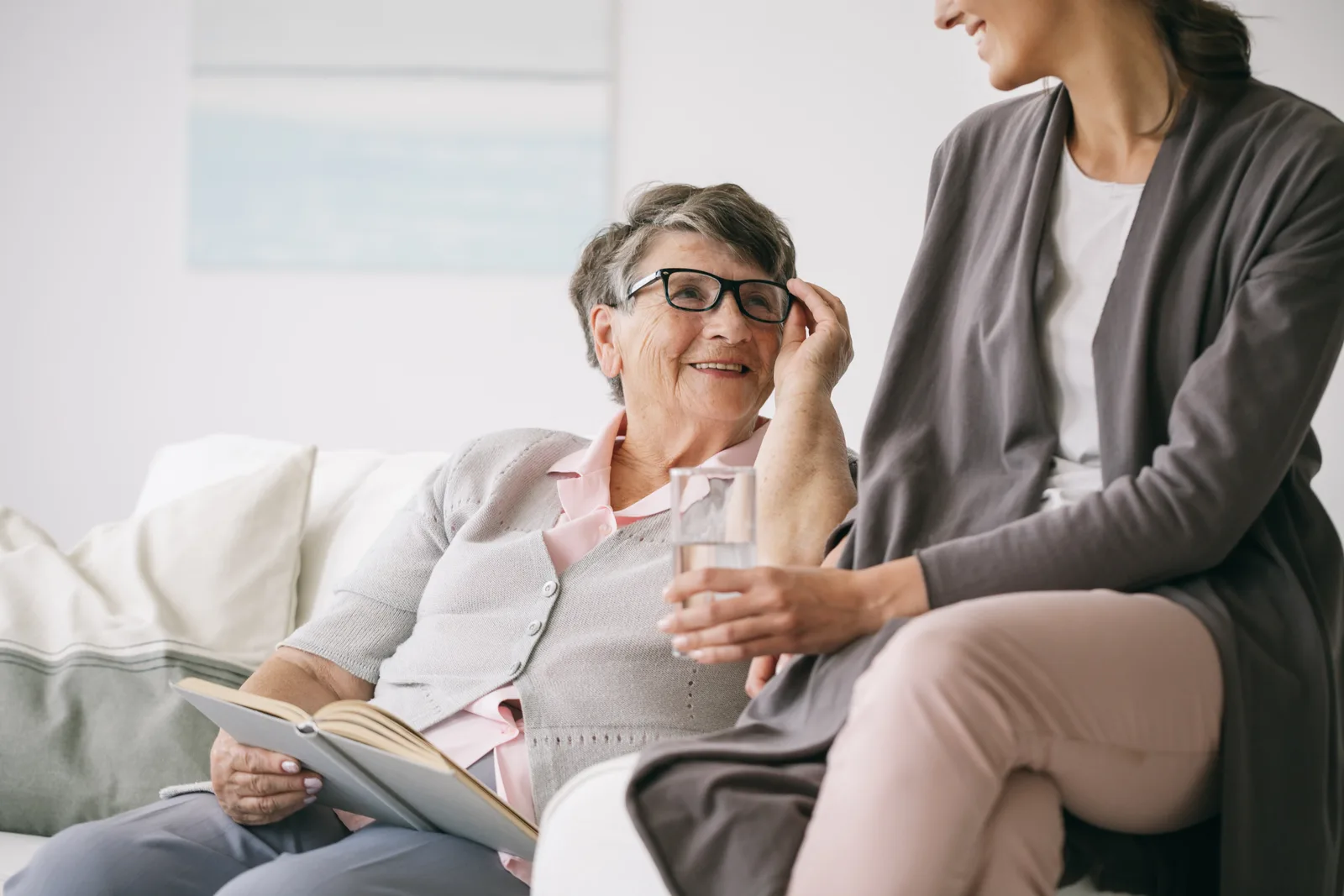 Foto ilustrativă
Anxiety is considered one of the most widespread mental health issues of our time, fuelled by everyday stress, workplace pressure, and general uncertainty. Major life changes are not required to keep it under control – a few simple techniques, applied consistently, can make a noticeable difference.
What anxiety is
Anxiety is the body's natural response to stress, an alarm mechanism designed to protect us from a perceived threat. It becomes a problem when it remains active even in the absence of a real threat, causing a rapid heartbeat, muscle tension, repetitive thoughts, difficulty concentrating, or sleep problems. Occasional anxiety is normal, but when it consistently affects daily activities, relationships, or normal functioning, it becomes a cause for concern. The techniques described here are helpful for everyday anxiety; for severe or persistent forms, professional support remains essential.
1. Controlled breathing
Breathing acts directly on the vagus nerve, which is responsible for the body's relaxation response.
- The 4-7-8 technique: inhale through the nose for 4 seconds, hold the breath for 7 seconds, then exhale slowly through the mouth for 8 seconds. Repeat four times.
- Box breathing: inhale for 4 seconds, hold for 4 seconds, exhale for 4 seconds, hold again for 4 seconds. This technique is used by military personnel and elite athletes to maintain composure under pressure.
2. The 5-4-3-2-1 grounding technique
When anxiety makes it difficult to think clearly, sensory grounding helps bring you back to the present moment. Identify, one by one: 5 things you can see, 4 things you can touch, 3 things you can hear, 2 things you can smell, and 1 thing you can taste. This method interrupts the spiral of anxious thoughts and shifts attention from the mind to the body.
3. Physical movement
Exercise reduces cortisol levels – the stress hormone – and stimulates the release of endorphins, which are responsible for feelings of wellbeing. A simple 20–30 minute walk, preferably outdoors, can visibly ease built-up tension. Research shows that regular physical activity has a comparable effect, in mild-to-moderate cases, to some therapeutic interventions, particularly when practised consistently.
4. Mindfulness
Mindfulness means intentionally directing attention to the present moment without judging the thoughts that arise. Just 5–10 minutes a day is enough to notice benefits: sit comfortably, close your eyes, and focus on your breathing – each time the mind wanders, gently bring it back to the breath.
5. Cognitive restructuring
Anxiety is often fed by catastrophic thinking. Cognitive restructuring, a core technique from cognitive behavioural therapy (CBT), helps identify and challenge these thoughts by asking questions such as: what is the real evidence for this thought, what is the most likely scenario (not just the worst case), and how would you view the situation if a friend were telling you about it?
6. Progressive muscle relaxation
This involves tensing and then relaxing each muscle group in turn, from the toes to the facial muscles – 5 seconds of tension followed by 10–15 seconds of complete relaxation. The technique helps the body learn the difference between tension and relaxation, reducing overall physical tension.
7. An emotions journal
Writing down thoughts and feelings on paper helps clarify them and reduces the sense of being overwhelmed. A simple exercise: write for 5–10 minutes without stopping or correcting yourself, putting down everything you feel in that moment – grammar does not matter, only the release of thoughts onto the page.
8. Limiting caffeine and stimulants
Caffeine can amplify the physical symptoms of anxiety – palpitations, trembling, and restlessness – because it stimulates the same nervous system activated by stress. If anxiety worsens after coffee or energy drinks, it is advisable to gradually reduce consumption or to limit intake to the first part of the day.
9. A sleep routine
Insufficient or poor-quality sleep increases sensitivity to stress and anxiety. Simple sleep hygiene rules include: going to bed and waking up at consistent times, including at weekends; avoiding screens for at least 30 minutes before bedtime; keeping the bedroom cool, dark, and quiet; and avoiding heavy meals or caffeine in the evening.
10. Social connection
Talking to a trusted person – a friend or family member – reduces isolation, which often amplifies anxiety. Even a brief conversation can offer a different perspective and the reassurance that you are not going through it alone.
How quickly do these techniques work
Breathing and grounding techniques can bring relief within minutes, as they act directly on the nervous system. Mindfulness, physical movement, and cognitive restructuring have a deeper but cumulative effect, with benefits that grow as they are practised consistently over several weeks. There is no need to apply all ten techniques at once – it is advisable to choose one or two that feel right and integrate them gradually, then add others over time.
When professional help is needed
Self-help techniques are useful for moderate, everyday anxiety, but they do not replace professional support. Speaking with a psychologist or doctor is recommended if anxiety persists for several weeks without improving, interferes with daily activities, work, or relationships, frequent panic attacks occur, or if you feel you can no longer cope on your own. Seeking help is not a sign of weakness, but a responsible step towards lasting wellbeing.
Frequently asked questions
What is the fastest technique for calming anxiety? Controlled breathing – for example, the 4-7-8 technique – generally offers the quickest relief, acting directly on the nervous system within a matter of minutes.
Can these techniques replace therapy? No. They are useful as everyday stress management tools, but professional support is essential in cases of persistent or severe anxiety.
How often should they be practised? Ideally daily, even during periods without symptoms, as their effectiveness increases with regular practice.
Does diet affect anxiety? Yes. Caffeine, excess sugar, and alcohol can worsen symptoms, whilst a balanced diet rich in omega-3 fatty acids, magnesium, and B vitamins supports a more stable nervous system.
Conclusion
Managing anxiety does not mean eliminating stress from your life entirely, but rather building tools that allow you to respond more calmly and effectively when it arises. Breathing, movement, mindfulness, and healthy routines are simple and accessible techniques that, when practised consistently, can significantly improve quality of life. If anxiety is consistently affecting your daily life, the best step is to speak with a mental health professional, who can offer solutions tailored to your individual situation.
This article is intended for informational purposes only and does not replace medical or psychological consultation with a qualified specialist.
Content paraphrased and adapted by SeniorHelp from verified public sources.
Original source: Realitatea →Previous article
Diphtheria, a serious vaccine-preventable disease: first death in Australia in nearly 10 years
Next article
"Storm Asthma": the respiratory phenomenon that can affect even children without a diagnosed asthma condition
Similar news
Artificial intelligence can estimate cancer survival chances from a selfie
20 October 2026
 Foto ilustrativă
Flu vaccines delayed: over 350,000 doses to reach pharmacies by the end of the week
19 October 2026
At 86, Two Serious Cardiovascular Conditions Discovered by Chance
19 October 2026
What is the ideal sleep duration? Researchers have calculated it precisely, in hours and minutes
19 October 2026
Late-night eating linked to increased risk of fatty liver disease and cirrhosis, study shows
19 October 2026
The heart has its own "mini-brain": what a recent study has discovered about its neuronal network
19 October 2026