
Food prices have risen 53% in Romania over 5 years, but the minimum wage has increased by more
Romania ranks 3rd in the EU for food price increases (53% over 5 years), yet the gross minimum wage has kept pace, allowing the purchase of over 20% more food.
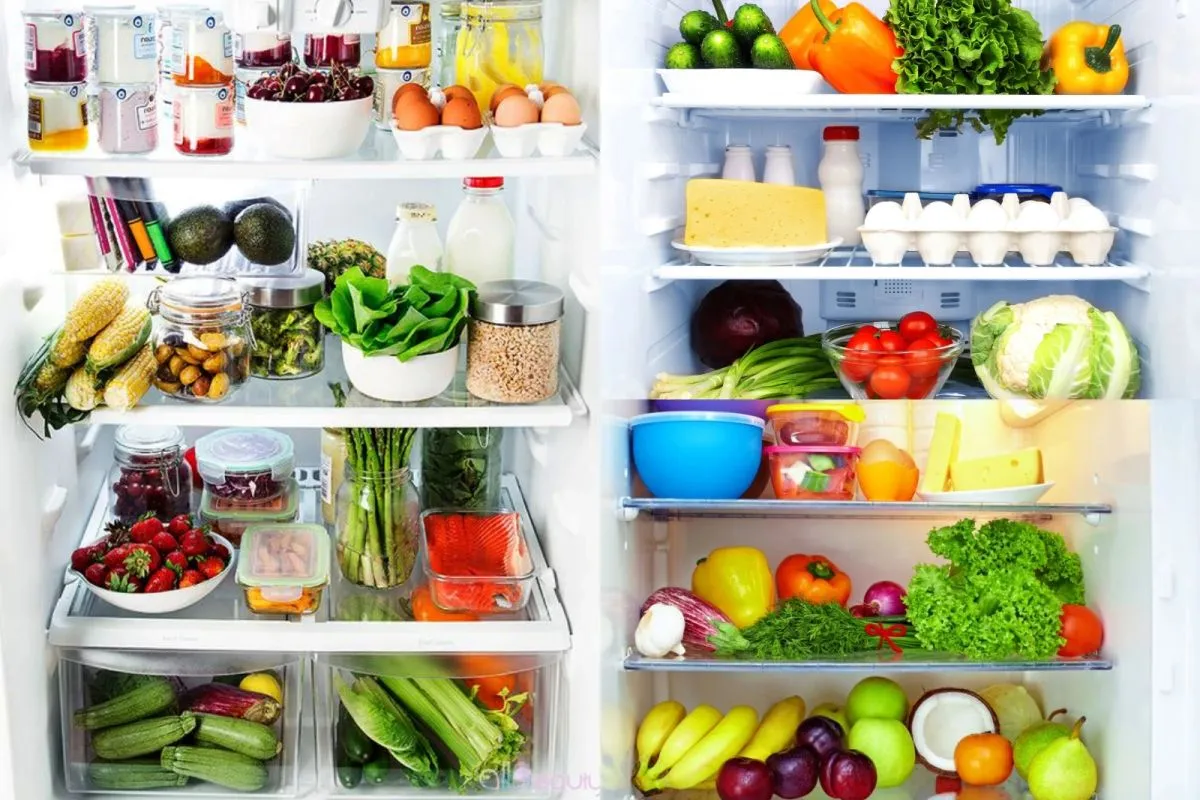
Food and non-alcoholic beverage prices rose by 53% in Romania between August 2021 and August 2026, according to Eurostat data cited in a Euronews Business analysis. Although price increases were among the highest in the European Union, the gross minimum wage grew at a faster rate than food prices, as shown by the comparison conducted across 26 European countries.
Romania ranks third in the EU for food price increases
Across the European Union as a whole, food and non-alcoholic beverages became 34% more expensive over the period analysed. The largest price increases were recorded in Hungary (57%), Bulgaria (54%), and Romania (53%). At the other end of the scale, Cyprus saw the smallest increase, at 21%.
Among the EU's major economies, food prices rose by 25% in France, 30% in Italy, 34% in Germany, and 35% in Spain. Outside the European Union, Turkey recorded an extreme increase of 752% in food and non-alcoholic beverage prices.
According to the analysis, prices were already rising before Russia's invasion of Ukraine in February 2022. The war subsequently amplified pressure on energy, fertiliser, and transport costs, which were ultimately passed on to consumers.
Minimum wages kept pace in most countries
The analysis compares the evolution of gross monthly minimum wages with that of food prices. In the majority of the 26 countries included in the comparison, the minimum wage rose by enough to theoretically allow workers to purchase a greater quantity of food than in August 2021.
Within the EU, Hungary recorded the largest increase in minimum wage expressed in national currency, at 93%, followed by Germany (46%), Spain (29%), and France (20%). Outside the EU, Turkey saw the largest increase of all the countries compared, at 823%, followed by Serbia (103%) and Montenegro (102%).
Romania is among the countries where the quantity of food that could be purchased on a gross minimum wage increased by more than 20%, alongside Croatia, Albania, Hungary, Bulgaria, and Lithuania. The largest increases in this indicator were recorded in Serbia and Montenegro, at 37% each.
Three countries lost purchasing power
Malta, Spain, and France are the only three countries in the comparison where the gross minimum wage bought less food in August 2026 than in August 2021. The decline was 6% in Malta, 5% in Spain, and 4% in France.
For example, if in August 2021 the gross minimum wage in Malta allowed the purchase of 100 equivalent food baskets, by August 2026 it would have allowed the purchase of only approximately 94 such baskets.
The analysis does not show how much money an employee actually has left for shopping: the wages used in the calculations are gross figures, before taxes and contributions, and the comparison does not include expenses such as rent or utilities. Eurostat notes that its data on monthly minimum wages are gross values, set for the months of January and July of each year.
Content paraphrased and adapted by SeniorHelp from verified public sources.
Original source: Realitatea →Previous article
Unified Pay Law, Promised by 31 October 2026, in the New Government's Programme
Next article
Researchers have discovered how some aggressive cancers manage to survive
Similar news
 Foto ilustrativă
The Senate has voted on the ROBOR credit recalculation law. Romanians could receive money back from banks
14 October 2026

Senate wants recalculation of loans affected by ROBOR, based on IRCC
14 October 2026
Bușoi: The Next Government Must Quickly Decide Whether to Extend the Gas Support Scheme
14 October 2026
Average net salary fell to 5,688 RON in August, below inflation
13 October 2026

Average net salary fell in August 2026, inflation wiped out wage increases
13 October 2026
Annual inflation rose to 6.61% in September, INS announces
13 October 2026