
Pharmacy alert: fewer and fewer young people are choosing this profession, specialists warn
The College of Pharmacists and industry associations warn that the number of pharmacists has fallen by 1,478 between 2022 and 2025, with young people's interest in pursuing pharmacy degrees declining steadily.
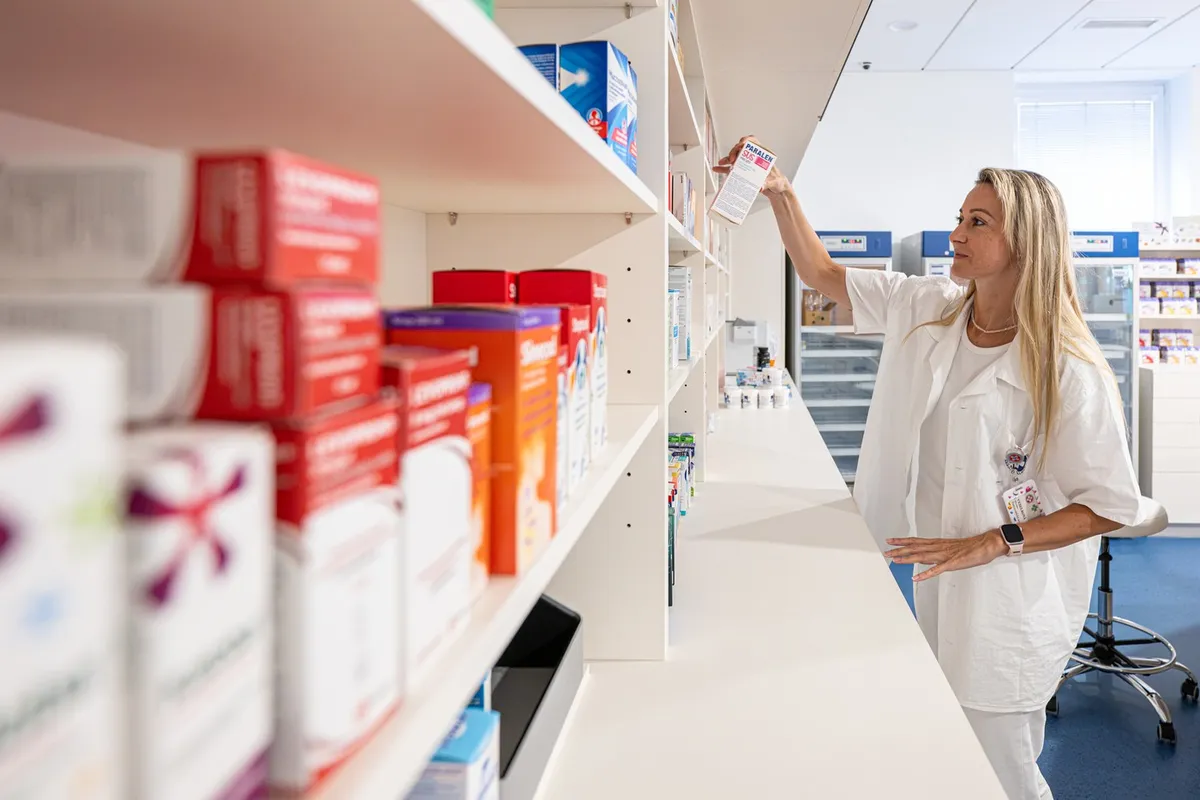
The College of Pharmacists of Romania, together with the principal associations of community pharmacies, is raising the alarm about the future of the pharmacy profession. In a press release issued on Wednesday, the organisations stated that young people's interest in pharmacy studies is declining year on year, whilst the shortage of specialist staff in the labour market continues to deepen.
The signatories to the press release are the College of Pharmacists of Romania, the Association of Pharmacies and Pharmacists of Romania (AFFR), the Association of Pharmaceutical Distributors and Retailers of Romania (ADRFR), the Association of Independent Pharmacies Ethica (AFIE), and the Association of Traditional Pharmacies and Practitioners (AFTaP).
Worrying figures
According to data from the National Institute of Statistics, between 2022 and 2025 the number of pharmacists in Romania fell by 1,478, even though during the same period the number of pharmacies, drugstores, and local distribution outlets increased by 208 units. The associations emphasise that this discrepancy directly reflects the human resources crisis in the sector. Furthermore, pharmacy admissions for 2026 confirm a long-standing trend: fewer and fewer candidates are choosing this degree, in contrast to other medical professions that remain attractive.
Why this is happening
Representatives from the sector have identified several reasons for the profession's declining appeal:
- Pharmacists are not sufficiently integrated into public health policies or prevention programmes. Although the law partially recognises their role in vaccination and health education, many modern pharmaceutical services still lack funding or a clear institutional framework.
- The high level of professional responsibility is not reflected in remuneration or status. In other European countries, the community pharmacist is part of the medical team, involved in prevention, screening, and treatment monitoring — services that are funded through the public health system. In Romania, their role remains limited, in public perception, to dispensing medicines.
- Economic pressure on pharmacies reduces their ability to attract and retain qualified staff. Commercial margins in the sector have not been revised since 2009, whilst compliance costs and legal obligations have steadily increased.
Rural areas hit hardest
Remote rural communities are already feeling the effects of this shortage most acutely, as the pharmacy is often the only point of rapid access to a healthcare professional. As the current generation of pharmacists approaches retirement age and the number of graduates declines, recruitment difficulties will intensify, and the effects will gradually extend to urban areas as well.
The impact is not limited to community pharmacies. According to the press release, the specialist shortage will affect:
- hospitals, which will face difficulties recruiting clinical pharmacists involved in patient safety;
- the pharmaceutical industry, where specialists in production, quality control, and pharmacovigilance will be in short supply;
- research and development, through a reduction in human resources available for innovation;
- analysis and control laboratories;
- universities, which will have fewer candidates for academic careers;
- regulatory bodies, including the National Agency for Medicines and Medical Devices of Romania (ANMDMR) and the Public Health Directorates.
What pharmacists' representatives are calling for
The signatory organisations are calling on the authorities to engage in a national dialogue on the future of the profession and are proposing six areas for action:
- Recognition of the pharmacist's role in prevention, treatment monitoring, and health education.
- The implementation and funding of pharmaceutical services that provide direct benefits to patients.
- Aligning educational policies with the actual staffing needs across all sectors in which pharmacists work.
- Improving the economic sustainability of community pharmacies, so that they are able to attract and retain qualified staff.
- Simplifying administrative obligations that generate costs without direct benefit to the patient.
- Genuinely integrating the pharmacist into national strategies for prevention, vaccination, and public health.
The College of Pharmacists and the associations involved state that they are open to dialogue with the Ministry of Health, the Ministry of Education, and other relevant institutions, with a view to finding medium- and long-term solutions that will ensure the human resources necessary for the functioning of the healthcare system.
Content paraphrased and adapted by SeniorHelp from verified public sources.
Original source: Digi24 →Previous article
Rogobete proposes more health insurers, to replace the CNAS monopoly
Next article
Inflation dropped to 8.16% in July 2026, but rents and coffee prices rose sharply
Similar news

Elderly people tricked with "free medical assessments" into taking out loans for expensive devices
6 October 2026

Patient aged 69, oxygen-dependent, died after a fall at the Cluj Pneumophthisiology Hospital
28 September 2026

Romania, 3rd in the EU for Poverty Risk: 27.4% of the Population Affected
21 September 2026

Little money, long distances: there are Romanians who haven't seen a doctor in over a decade
21 September 2026
Ambulance Services in 17 Counties Without Funding for September. Union Calls for Budget Rectification
16 September 2026

Ambulances in 17 counties left without funds for material expenses in September
16 September 2026