
Frequently Asked Questions About Malnutrition in the Elderly
Find clear answers to the most frequently asked questions about malnutrition in older adults: symptoms, causes, prevention, and practical solutions to keep your loved ones safe.
Contents
When it comes to the health of our elderly loved ones, malnutrition remains one of the most common challenges – yet, paradoxically, one that often goes unnoticed until it is too late. Many families ask themselves daily questions about their parents' or grandparents' eating habits: "Are they eating enough?", "Why have they lost so much weight?", "What can I do to help?" These concerns are entirely natural and reflect the deep care we have for those who raised us.
Malnutrition in older adults is not simply about weight loss – it is a complex condition that affects immunity, the ability to recover from illness, and overall quality of life. Recent studies show that in Romania, approximately one in three seniors faces nutritional risk, and in care institutions this figure may be even higher. The good news is that, once identified, malnutrition can be managed effectively through a careful, personalised approach.
In this article, we have gathered the most frequently asked questions that families pose to senior care specialists, providing clear answers and practical solutions to help you better understand this issue and take preventive action.
Contents
- What malnutrition in seniors is and why it occurs
- How to recognise the warning signs
- What the consequences of untreated malnutrition are
- How nutritional status is assessed
- Practical methods of prevention at home
- When professional intervention is necessary
- The role of carers and family
What malnutrition in seniors is and why it occurs
Malnutrition in older age represents a state of nutritional imbalance in which the body does not receive sufficient calories, protein, or essential nutrients to function optimally. It is not simply a matter of how much food is eaten, but also of its quality and the body's ability to absorb and utilise nutrients.
The causes of malnutrition in seniors are multiple and often overlap. Understanding them helps you more easily identify risk factors in your loved one:
- Physiological changes – reduced appetite, diminished sense of taste and smell, dental problems, or difficulty swallowing
- Chronic illness – diabetes, heart disease, kidney conditions, or tumours that alter metabolism
- Medications – many treatments can cause nausea, changes in taste, or reduced appetite
- Psychological factors – depression, loneliness, or anxiety significantly affect interest in eating
- Functional limitations – difficulty shopping, preparing food, or eating independently
- Social and economic factors – isolation, limited financial resources, or lack of a support network
It is important to understand that malnutrition is not an inevitable part of ageing. With attentiveness and timely intervention, it can be prevented or reversed in the majority of cases.
Types of malnutrition in older adults
Specialists distinguish two main forms: protein-calorie malnutrition, the most common, and specific micronutrient deficiencies (vitamins and minerals). Both can coexist and require complementary approaches to be fully corrected.
How to recognise the warning signs
Early identification of malnutrition makes the difference between a swift recovery and serious complications. Unfortunately, many families only notice problems at an advanced stage, when intervention becomes more difficult. Here are the main warning signs to monitor:
- Unintentional weight loss – more than 5% of body weight over recent months
- Clothes becoming too loose – rings spinning on fingers, trousers slipping down, belts needing new holes
- Increased fatigue – lack of energy for everyday activities, excessive drowsiness
- Slow healing – wounds, cuts, or bruises taking a long time to heal
- Frequent infections – repeated colds, recurrent urinary or respiratory infections
- Changes to skin and hair – dry skin, brittle hair, or hair loss
- Behavioural changes – increased irritability, confusion, or apathy
At the Maria-Theresia Șura Mică residential care centre for seniors, the medical team monitors each resident's weight and food intake daily, using standardised protocols that allow early detection of any concerning changes. This constant supervision is essential for preventing complications.
Simple self-assessment questions
If the answer to any of the following questions is "yes", consider seeking a specialist nutritional assessment: Has your loved one's appetite decreased compared to before? Do they regularly skip meals? Have they lost the ability to cook or go shopping? Are they eating alone at home, in isolation? Do they have difficulty chewing or swallowing?
What the consequences of untreated malnutrition are
Neglecting malnutrition can lead to a downward spiral that affects every aspect of a senior's health. Understanding these consequences may motivate you to act preventively and seek specialist help at the right time.
In the short term, malnutrition causes muscle weakness, dramatically increasing the risk of falls and fractures. A weakened immune system means infections become more frequent and more severe, often requiring hospitalisation. Cognitive ability may be affected, leading to confusion, difficulty concentrating, or even a worsening of existing dementia symptoms.
In the long term, the consequences become even more serious:
- Severe sarcopaenia – loss of muscle mass leading to complete dependence for daily activities
- Pressure sores – extremely painful skin ulcerations that are difficult to heal
- Worsening osteoporosis – extreme bone fragility with a high risk of fractures
- Organ dysfunction – damage to the kidneys, liver, or heart due to nutrient deficiency
- Increased mortality – studies show that malnourished seniors have significantly higher death rates
It is essential to understand that these consequences are not irreversible if intervention comes in time. With appropriate nutrition, medical support, and a careful care environment, most seniors can recover and significantly improve their quality of life.
How nutritional status is assessed
A professional nutritional assessment is the first step towards an effective care plan. It combines several complementary methods to build a complete picture of the senior's state of health.
Doctors and nutritionists use scientifically validated tools, such as the Mini Nutritional Assessment (MNA), a simple yet precise questionnaire that evaluates nutritional risk based on a range of criteria. Anthropometric measurements – weight, height, arm circumference, and skinfold thickness – provide objective data on body composition.
Comprehensive medical assessment
A complete assessment also includes blood tests to check levels of proteins, albumin, vitamins, and essential minerals. The medical history and list of medications are reviewed to identify factors that may be contributing to malnutrition. Functional capacity is also assessed – can the person shop, cook, and eat independently?
At specialist centres such as the Maria-Theresia Șura Mică residential care centre for seniors, this assessment is carried out periodically for all residents, allowing continuous adjustment of nutritional plans in line with individual needs and changes in health status.
Daily monitoring
Beyond formal assessments, daily monitoring of food intake is crucial. This involves recording the quantities consumed at each meal, observing food preferences, and identifying the times of day when appetite is at its best. The information gathered in this way guides practical interventions.
Practical methods of prevention at home
Preventing malnutrition at home requires constant attention, but with the right strategies it becomes more manageable. Here are practical recommendations you can begin implementing today:
- Small, frequent meals – instead of three large meals, offer 5–6 smaller portions throughout the day, which are easier to consume
- Caloric enrichment – add butter, cream, olive oil, or cheese to dishes to increase their nutritional value without adding extra volume
- Preferred dishes – respect the senior's culinary preferences, even if they seem unusual or repetitive to you
- Adapted textures – for chewing or swallowing difficulties, prepare puréed, finely minced, or nutritious creamed dishes
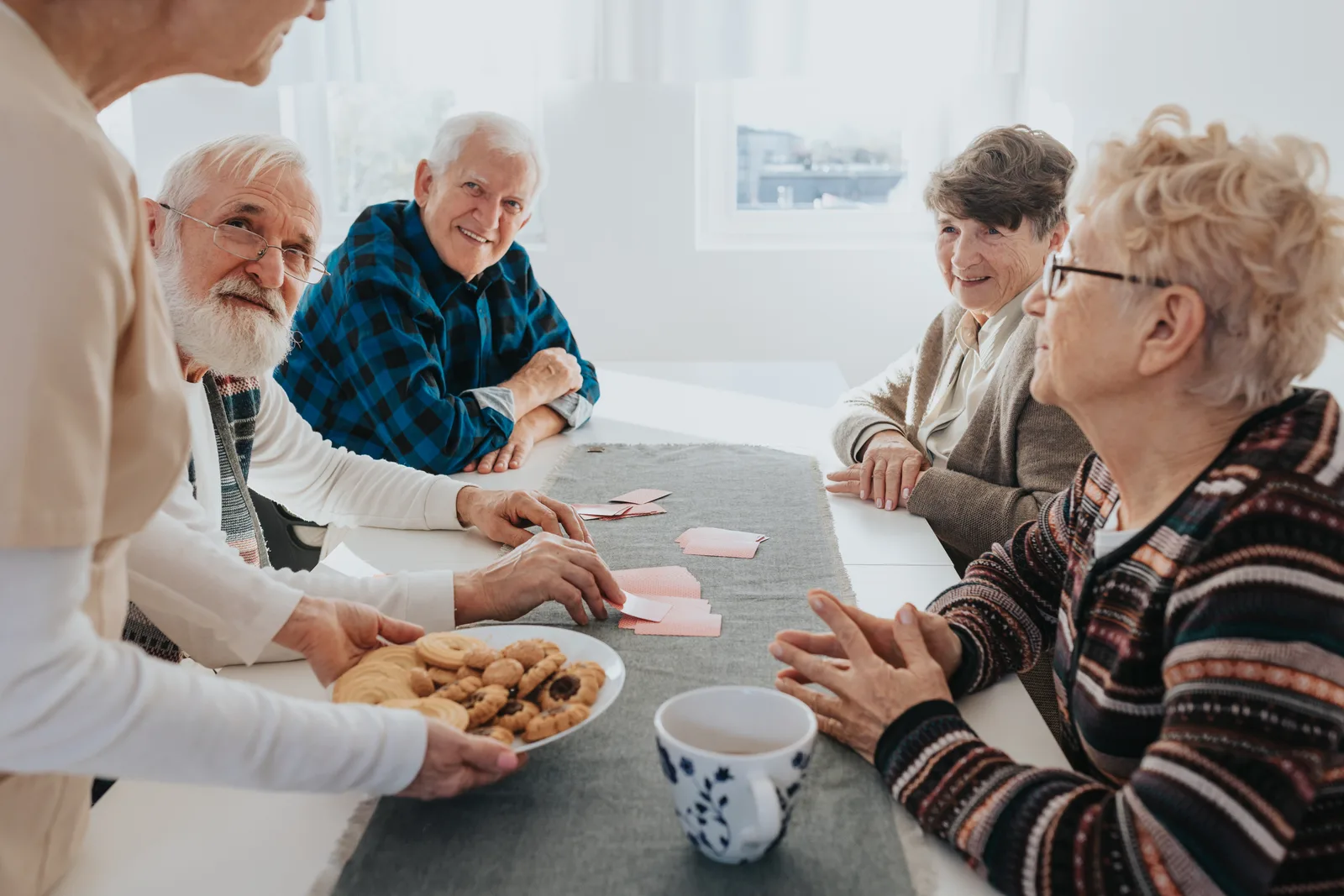
- A pleasant atmosphere – eating together in a congenial setting stimulates appetite and makes mealtimes more enjoyable
- Adequate hydration – offer fluids between meals rather than during them, to avoid premature feelings of fullness
Do not forget to include nutritional supplements recommended by a doctor when food intake alone is insufficient. These may include high-protein drinks, fortified puddings, or vitamin and mineral supplements targeting identified deficiencies.
Organising space and routine
Ensure the kitchen is accessible and safe, with healthy foods within easy reach. Establish a regular meal schedule that coincides with the times when your loved one tends to have a better appetite – often in the morning. Prepare larger portions in advance that can be easily reheated, saving both energy and time.
When professional intervention is necessary
There are situations when home care, however dedicated, is no longer sufficient to manage malnutrition. Recognising these moments and seeking professional support is not a failure – it is an act of responsibility and love towards your loved one.
Consider specialist intervention when:
- Weight loss continues despite your best efforts
- Medical complications arise – recurring infections, wounds that will not heal, severe confusion
- The person consistently refuses food or has serious swallowing difficulties
- They can no longer be adequately monitored at home due to family commitments or the complexity of the situation
- They require assisted or tube feeding, which involves specialist techniques
Modern residential centres, such as the Maria-Theresia Șura Mică residential care centre for seniors in Șura Mică, provide a controlled environment where nutrition is monitored professionally around the clock. Here, a multidisciplinary team comprising doctors, nurses, nutritionists, and specialist carers work together to develop and implement personalised nutritional plans.
What professional nutritional care involves
In specialist centres, each resident receives regular nutritional assessments, personalised menus tailored to their medical needs and personal preferences, and mealtime assistance when required. Dishes are adapted in texture and caloric content, and intake is documented daily. Nutritional supplementation is carried out under medical supervision, and responses and progress are monitored continuously.
Organised social activities often include communal meals that stimulate appetite through socialisation, whilst the pleasant atmosphere of the dining rooms contributes to a positive experience of mealtimes.
The role of carers and family
Family remains essential in combating malnutrition, even when a loved one is receiving professional care. Active involvement and constant communication with the medical team make a real difference to outcomes.
Here is how you can contribute effectively to improving nutritional status:
- Visit regularly and join them for meals when possible – the presence of family stimulates appetite
- Bring favourite dishes from home (after consulting with the medical team to ensure dietary restrictions are respected)
- Communicate any changes you notice – any change in behaviour, appetite, or mood is worth reporting
- Offer positive encouragement – acknowledge progress, however small, without putting undue pressure on them
- Continue to educate yourself – understanding the problem and its solutions makes you a more effective partner in care
Professional carers are trained to recognise the subtle signs of malnutrition and to apply validated strategies to encourage eating. They are familiar with correct positioning techniques to ensure safe swallowing, ways of adapting food textures, and effective communication methods for seniors who have lost interest in food.
The family's emotional wellbeing
It is important to acknowledge your own limits. Caring for a senior with nutritional problems can be emotionally and physically exhausting. Do not hesitate to seek out family support groups or specialist counselling. Your own mental health matters equally – you cannot provide effective care if you yourself are burnt out.
Frequently asked questions
How long does recovery from malnutrition take in a senior?
The duration of recovery depends on the severity of the malnutrition and the person's general state of health. In mild cases, visible improvements may appear within 2–4 weeks, but full recovery may take 3–6 months or longer. Persistence and constant monitoring are essential for lasting results.
Is it normal for elderly people to eat less?
Yes, metabolism slows with age and caloric needs may be slightly reduced, but a significant decrease in appetite or refusal of food is not normal and warrants medical assessment. A consistently gradual decline in weight is always a warning sign that should be investigated.
Can nutritional supplements replace regular meals?
No – supplements are intended to complement food intake, not replace it. Regular meals provide a broader range of nutrients, fibre, and important social benefits. Supplements are used when food intake is insufficient, but always in combination with ordinary food, provided this is tolerated.
What are the best foods for malnourished seniors?
Nutrient-dense foods are the priority: lean meat, oily fish, eggs, full-fat dairy products, nuts and seeds, pulses, wholegrains, and vitamin-rich fruit. It is important that textures are adapted to the individual's chewing and swallowing capacity, and that dishes are visually appealing and tasty in order to encourage consumption.
How much does specialist care for malnutrition cost in residential centres?
Costs vary depending on the level of medical care required, the facilities offered, and the location. In Romania, fees at modern centres can start from 1,500–2,000 euros per month, including accommodation, personalised meals, medical care, and activities. It is advisable to contact institutions directly for personalised, transparent quotes.
Can psychological issues also be involved in refusal of food?
Absolutely. Depression, loneliness, uncontrolled pain, or fear of swallowing can dramatically affect appetite. For this reason, a complete assessment includes psychological aspects, and treatment of malnutrition must address all underlying causes, not only the physical ones. Emotional support and socialisation are essential components of recovery.
Malnutrition in our elderly loved ones is not an inevitability, but a challenge that can be overcome with attentiveness, accurate information, and the right support. Whether you choose to manage the situation at home with specialist guidance or opt for a specialist residential centre, the most important thing is to act promptly at the first signs. If you have concerns about a loved one's nutrition, do not delay – speak with their GP or contact a specialist centre for a professional assessment. The health and comfort of those dear to us deserve our full attention.
This article is intended for informational purposes only and does not replace medical advice. For specific situations, please consult a specialist.
Previous
Delirium in the Elderly: How to Recognise It and What Families Should Do Immediately
Next
Palliative Care for the Elderly: When It Is Recommended and How It Supports the Family
Similar articles
Polypharmacy in the Elderly: What Families Need to Know
16 October 2026

Foot Care for the Elderly: Warning Signs and Prevention
14 October 2026

Sleep Disorders in Seniors: When and How to Seek Help
13 October 2026
Osteoporosis and Bone Health — An Essential Guide for Carers
13 October 2026
Secondary effects of medication in the elderly: warning signs
12 October 2026
How to Manage Specialist Referrals for an Elderly Person with Multiple Chronic Conditions
10 October 2026