
What You Need to Know About Physical Activity Adapted for the Elderly
Proper movement in later years prevents falls, maintains independence and improves quality of life. Discover how to adapt physical exercises to the needs of your loved ones.
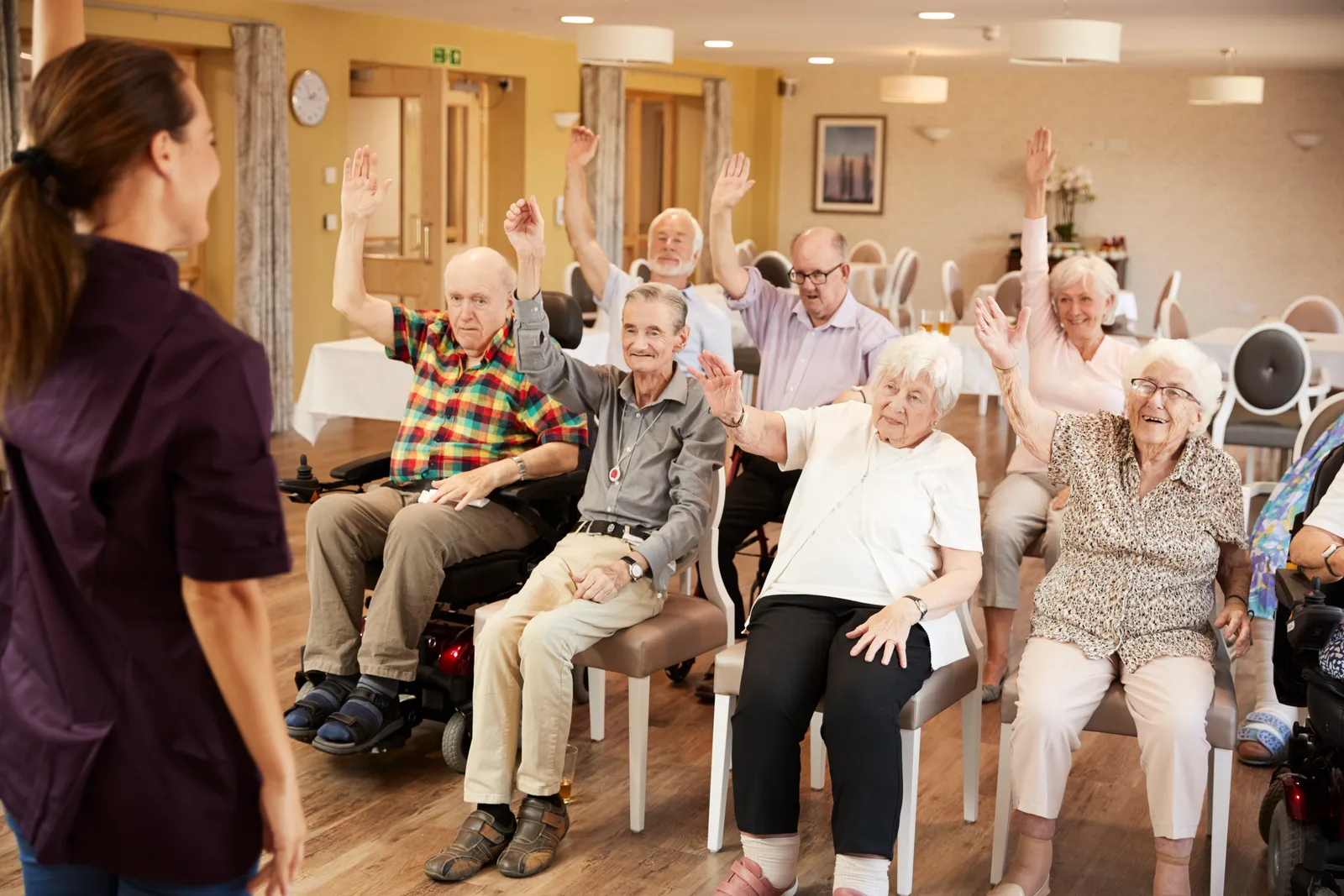
Contents
When our parents or grandparents reach old age, one of our greatest concerns becomes maintaining their health and independence for as long as possible. Many of us wonder whether physical activity is still safe or advisable for older adults, especially when the first signs of ageing begin to appear: tiring more quickly, joint pain, or a less steady sense of balance. The reality is that this is precisely when movement becomes essential – though it must be carefully tailored to each person's needs.
Recent studies show that seniors who engage in regular physical exercise have up to a 40% lower risk of serious falls and maintain their independence for approximately 3–5 years longer than those who lead sedentary lives. We are not talking about athletic performance, but about gentle, consistent, and adapted movement that can radically transform quality of life at this stage. Whether your loved one lives at home with family or benefits from specialist care, adapted physical activity is one of the most valuable investments in their health.
In this article, we will explore everything you need to know to help the seniors in your life stay active, safe, and happy.
Contents
- The concrete benefits of movement in old age
- Types of exercise recommended for seniors
- How to adapt activity to chronic conditions
- Safety and injury prevention
- Building a sustainable and enjoyable routine
- The role of carers and specialists
- When to consult a doctor or physiotherapist
- Frequently asked questions
The concrete benefits of movement in old age
Adapted physical activity is not a luxury or a passing trend for seniors – it is a medical necessity recognised by specialists worldwide. The human body, regardless of age, needs movement to function optimally, and in old age this need becomes even more pronounced.
The practical benefits span several essential areas of daily life. Physically, regular exercise helps maintain muscle mass, which otherwise naturally declines by 3–8% per decade after the age of 30, and at a much faster rate after 60. This translates to less strength for simple activities such as getting up from the table, opening jars, or climbing stairs.
The impact on general health
Consistent movement brings measurable, medically verifiable improvements:
- Reduced risk of cardiovascular disease by maintaining circulation and controlling blood pressure
- Improved bone density and a reduced risk of osteoporosis, particularly in women
- Better management of type 2 diabetes through blood sugar regulation
- Greater joint flexibility and reduced pain associated with osteoarthritis
- A stronger immune system and improved resistance to infection
Cognitive and emotional benefits
Beyond the physical effects, physical activity directly influences mental and emotional wellbeing. Exercise stimulates the production of endorphins, alleviating symptoms of mild to moderate depression, which are common in older age. Additionally, maintaining a movement routine provides a sense of control and independence that is essential for self-esteem and the joy of living.
Types of exercise recommended for seniors
Not all exercises are suitable for every age group or health condition. For seniors, the priorities shift: what matters is safety, adaptability, and consistency – not intensity or speed.
Specialists divide physical activities for older adults into four main categories, each addressing different needs of the ageing body.
Balance and coordination exercises
These are perhaps the most important for preventing falls, which are the leading cause of hospitalisation among seniors. They include simple movements such as:
- Walking in a straight line (following the lines between floorboards can work well)
- Rising onto the tips of the toes and lowering back onto the heels, with support
- Standing on one foot while holding the back of a chair
- Tai chi or yoga adapted for seniors
Low-intensity aerobic activities
These maintain cardiovascular health without overexerting the body. The most accessible options include daily walks of 20–30 minutes, swimming or aqua aerobics, stationary cycling, and gentle dancing to favourite music.
Strength and resistance exercises
This does not mean lifting weights at the gym, but rather gentle movements to maintain muscle tone: arm raises using small water bottles, partial squats whilst holding onto a sturdy support, resistance band exercises, or rising from a chair without using one's hands.
How to adapt activity to chronic conditions
Most seniors have at least one chronic condition that requires special consideration when choosing exercises. The good news is that almost any medical condition can benefit from adapted physical activity – the key lies in personalising the programme.
For high blood pressure, moderate aerobic activities such as walking are recommended, whilst avoiding sudden movements or lifting heavy weights. For osteoarthritis and joint pain, aqua aerobics is ideal, as the water supports the body and reduces pressure on the joints whilst the movement improves their lubrication.
Diabetes and physical activity
Seniors with diabetes benefit enormously from regular exercise, which helps control blood sugar levels. However, it is essential to monitor blood sugar regularly before and after exercise, to adjust insulin or medication in consultation with a doctor, and to avoid exercising when blood sugar levels are too low or too high.
Recovery after a stroke or fracture
In these situations, physiotherapy becomes essential. A professional recovery programme, guided by specialists, can make the difference between regaining independence and long-term dependency. At the Maria-Theresia Șura Mică residential care centre for seniors, for example, physical activity programmes are personalised for each resident based on their medical history and specific needs, with permanent supervision from the medical team.
Safety and injury prevention
The greatest concern for families when it comes to physical activity for seniors is the risk of injury. This concern is entirely justified, but it should not become an obstacle to movement – rather, it should serve as a guide for sensible precautions.
Before beginning any exercise programme, a full medical consultation is essential. The doctor must assess cardiovascular capacity, joint condition, balance, and any specific contraindications. This is not a formality – it is a vital safety measure.
Golden rules for safe exercise
- Start gradually and progress slowly – do not try to make up for years of inactivity in a fortnight
- Warming up is non-negotiable – 5–10 minutes of gentle movement before the main exercises
- Stay consistently hydrated – seniors feel less thirsty, but the risk of dehydration remains
- Wear appropriate footwear – stable shoes with non-slip soles, not slippers or socks
- Ensure a safe environment – a clear space, free from rugs or objects that could cause trips
- Have supervision when needed – particularly at the outset or for those with poor balance
A crucial aspect is listening to the body. Pain is not normal and should not be dismissed with the assumption that it is simply part of the process. Mild discomfort is acceptable, but sharp pain or dizziness are clear signs that something is not right.
Building a sustainable and enjoyable routine
The hardest part is not starting, but keeping going. Many seniors begin an exercise programme with enthusiasm only to abandon it within a few weeks. The secret to a lasting physical activity programme lies in turning it into an enjoyable routine rather than a dreaded obligation.
The first step is identifying activities the person genuinely enjoys. If they loved dancing in their younger years, music and adapted dance movements will be far more appealing than rigid gymnastics. If they have always had a connection with nature, walks in the park will work better than indoor exercises.
Practical strategies for consistency
- A fixed routine at the same time each day – both body and mind adapt well to predictability
- Group activities – socialising transforms exercise into a pleasant event
- Small, achievable goals – not "I will walk 10 km" but "I will go for a 15-minute walk every day"
- Moderate variety – alternating between 2–3 types of activity prevents boredom
- Celebrating progress – acknowledging improvements, however small
A simple visual calendar with a tick for each day of activity can provide visual satisfaction and ongoing motivation. Never underestimate the power of a simple tick on the calendar on the fridge!
The role of carers and specialists
Family plays a crucial role in keeping seniors physically active, but goodwill alone is often not enough – specific knowledge and resources are also needed. Carers, whether family members or professionals, must find the right balance between encouragement and overprotection.
Being an effective carer in supporting physical activity does not mean doing everything for the senior, but helping them do as much as possible on their own. This principle, though apparently simple, is difficult to apply when instinct urges us to step in immediately to save time or spare the person effort.
When professional support is needed
There are situations where medical expertise becomes essential. A physiotherapist or an instructor specialising in physical activity for seniors can make the difference between a generic programme and one that is truly effective. Modern residential care settings, such as the Maria-Theresia Șura Mică residential care centre for seniors in Sibiu County, integrate adapted physical activity into the daily programme, with specialist staff who supervise and adjust exercises according to each resident's progress.
The advantage of a professional environment is that it offers not only permanent medical supervision, but also the social stimulus of group activities, adapted equipment, and consistent safety – aspects that are difficult to replicate at home, particularly when family members have other responsibilities.
When to consult a doctor or physiotherapist
There are moments when physical activity must be temporarily paused or significantly adjusted, and recognising these signs can prevent serious complications. Not every discomfort is cause for alarm, but some require immediate medical attention.
Signs that call for an immediate stop to exercise and urgent medical consultation include: chest pain or tightness, severe difficulty breathing that does not ease with rest, severe dizziness or a feeling of faintness, irregular palpitations or a very rapid pulse, sudden intense joint pain, or swelling that appears abruptly.
Indications for specialist physiotherapy
Physiotherapy becomes necessary following any major surgical procedure, after prolonged periods of immobility, when chronic pain limits everyday movement, or when there is a significant loss of balance and an increased risk of falls.
A professional physiotherapy programme, guided by specialists, can restore lost function and prevent further deterioration. It is not a luxury – it is an investment in independence and quality of life.
Frequently asked questions
How much should a senior move each day?
General recommendations suggest at least 150 minutes of moderate activity per week – roughly 20–30 minutes daily. This time can be broken into shorter 10-minute sessions if that is more manageable. Consistency matters more than intensity.
Is exercise safe for someone with osteoporosis?
Yes – in fact, it is essential! Low-impact exercises such as walking or light strength training stimulate the growth of bone density. However, movements involving sudden bending or twisting of the spine, and activities with a high risk of falling, should be avoided. Consulting a doctor for a personalised plan is essential.
Can a senior aged 85 start exercising now?
Absolutely! It is never too late to begin. Naturally, the programme must be adapted to their age and health conditions, starting very gradually and with appropriate supervision. Even modest improvements in strength and balance can make the difference between independence and dependency at this age.
How do I encourage a parent who refuses any form of exercise?
Resistance often stems from fear of pain, embarrassment, or chronic fatigue. Rather than using the word "exercise", try incorporating movement into enjoyable activities: walks to see something interesting, dancing to favourite music, light gardening, or playing with grandchildren. Start with just 5 minutes and increase gradually. It can also help to join in yourself, turning it into a shared social activity.
What are the costs of a physical activity programme for seniors?
It depends greatly on the approach. Walking, exercising at home with household objects, and free online videos cost virtually nothing. Specialist group classes for seniors typically start from around 50–100 RON per session. Individual physiotherapy may cost 100–200 RON per session. Residential care centres generally include physical activity as part of their comprehensive care package.
When is it too cold or too hot for outdoor activity?
Seniors are more vulnerable to extreme temperatures. Below 0°C or above 30°C, it is safer to remain indoors. Strong winds and icy surfaces present additional hazards. On days of extreme weather, exercises can be carried out at home or in centres that provide a controlled, safe environment.
Adapted physical activity is not an optional extra in old age – it is an essential component of comprehensive care and quality of life. Whether your loved one stays active at home with family support or benefits from specialist programmes in settings such as the Maria-Theresia Șura Mică residential care centre for seniors, what matters most is consistency, safety, and tailoring activity to individual needs. Movement means independence, dignity, and more years lived joyfully alongside those we love. If you have questions about creating a personalised programme for your parents or grandparents, consult a geriatrician or a physiotherapy specialist – investing in movement is investing in life.
This article is for informational purposes only and does not replace medical advice. Please consult a specialist for your specific situation.
Previous
Sleep Apnoea in the Elderly: Signs That Family Members Should Recognise
Next
Oral Care for the Elderly: What Family Members Can Do
Similar articles
Antrenamentul memoriei și al atenției: ce trebuie să știe orice familie
14 October 2026

Foot Care for the Elderly: Warning Signs and Prevention
14 October 2026
Osteoporosis and Bone Health — An Essential Guide for Carers
13 October 2026

Validation Therapy for Elderly People with Dementia: A Guide for Families
13 October 2026
Secondary effects of medication in the elderly: warning signs
12 October 2026

Occupational Therapy at Home for the Elderly: A Complete Guide
11 October 2026