
West Nile Virus: three confirmed cases, one fatal. Doctor: "Do not neglect mosquito bites"
Doctor Tudor Ciuhodaru reports three cases of West Nile virus infection, one of which resulted in the patient's death, and warns of a possible rise in the number of cases.
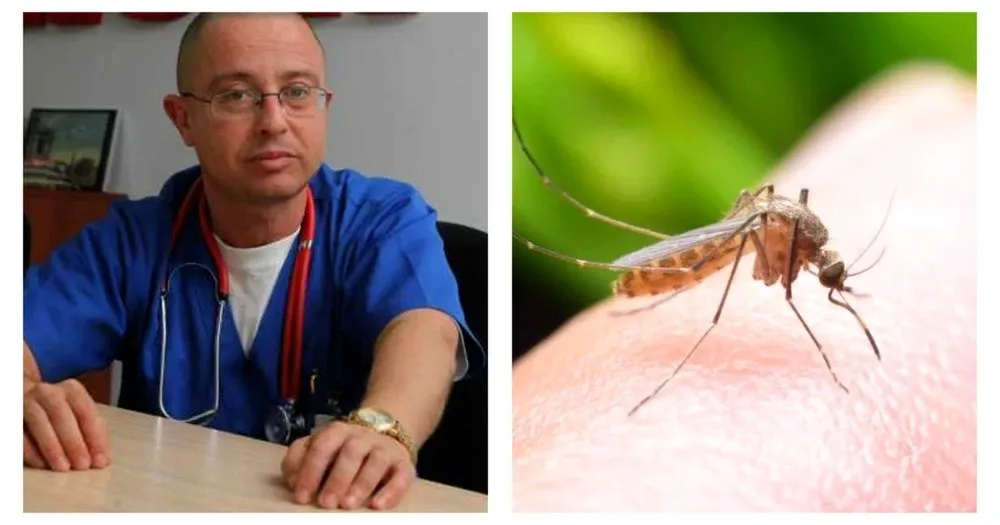
Three people have been confirmed with West Nile virus infection, one of whom has died, according to doctor Tudor Ciuhodaru. He warns that infectious disease specialists are expecting the number of cases to rise in the coming period.
"Do not ignore mosquito bites. They can be lethal," the doctor cautioned.
Warning signs that require emergency attention
Ciuhodaru lists five warning signs that typically appear two to eight days after a mosquito bite and require urgent medical attention: high fever, severe headache, vomiting, general deterioration of health, and increased sensitivity to light.
The doctor notes that there is no specific treatment for West Nile virus. In moderate forms of the illness, which occur in approximately one in five infected patients, symptoms may include fever, headaches, nausea, vomiting, muscle and joint pain, urticaria, and, less commonly, swollen lymph nodes. As a rule, the condition improves after seven to ten days.
How to prevent infection
Ciuhodaru recommends avoiding mosquito bites, particularly during the period between dusk and dawn, when most species are at their most active.
- Use repellent substances on exposed skin
- Wear long-sleeved clothing, long trousers, and socks
- Permethrin-based substances must not be applied directly to the skin
- Use insect nets and check them regularly for damage
- Remove standing water from around homes or from basement areas of apartment blocks, to limit mosquito breeding
90% of those infected have no symptoms
West Nile virus is transmitted to humans primarily through mosquito bites and is not spread through physical contact such as touching or kissing, the doctor explains.
According to Ciuhodaru, approximately 90% of infected individuals show no symptoms at all, and the manifestations of the disease can range from mild, cold-like symptoms to signs of meningoencephalitis.
One in every 150 infected people develops a severe form of the disease, and the risk of serious illness and death is higher in people over 50 or in those with immune system deficiencies.
Symptoms may last several weeks, and some neurological effects may become permanent, doctor Tudor Ciuhodaru further warns.
Content paraphrased and adapted by SeniorHelp from verified public sources.
Original source: Adevărul →Previous article
Medicinal plants harvested in July: benefits, consumption methods and precautions
Next article
CASS for Persons Without Income: ANAF Explains What Happens Following the Minimum Wage Increase
Similar news

Artificial intelligence can estimate cancer survival chances from a selfie
20 October 2026
 Foto ilustrativă
Flu vaccines delayed: over 350,000 doses to reach pharmacies by the end of the week
19 October 2026

At 86, Two Serious Cardiovascular Conditions Discovered by Chance
19 October 2026

What is the ideal sleep duration? Researchers have calculated it precisely, in hours and minutes
19 October 2026

Late-night eating linked to increased risk of fatty liver disease and cirrhosis, study shows
19 October 2026
The heart has its own "mini-brain": what a recent study has discovered about its neuronal network
19 October 2026