
West Nile Virus: 95 cases in Romania in 2026, the majority amongst people aged 60–69
INSP reports 95 West Nile virus infections in Romania in 2026 and 5 deaths among elderly patients with underlying conditions. The most affected age group is those aged 60–69.
 Foto ilustrativă
The National Institute of Public Health (INSP) announced on Friday that between 3 June and 16 September 2026, a total of 95 cases of West Nile virus infection were recorded in Romania. Of these, 83 were confirmed and 12 were classified as probable.
According to the INSP's weekly report, 5 deaths were recorded, all involving elderly individuals who also suffered from other conditions (comorbidities). The death toll remained unchanged from the previous report.
Who is most affected
The highest number of cases was recorded in the 60–69 age group, with 25 cases. The 50–59 and 70–79 age groups each recorded 19 cases, whilst 11 cases were reported among people aged over 80. A single case occurred in a teenager aged between 15 and 19, with the remaining cases involving adults under 50.
Distribution by county
The highest number of cases — 37 — was reported in the city of Bucureşti. At county level, the breakdown is as follows: Ilfov – 10, Călăraşi – 6, Giurgiu – 6, Ialomiţa – 5, Brăila – 4, Galaţi – 3, Teleorman – 3, Argeş – 2, Cluj – 2, Constanţa – 2, Iaşi – 2, Prahova – 2, Suceava – 2, Bihor – 1, Botoşani – 1, Buzău – 1, Dâmboviţa – 1, Harghita – 1, Mureş – 1, Satu Mare – 1, Vaslui – 1 and Vrancea – 1.
What the authorities recommend for prevention
- Avoiding exposure to mosquitoes by wearing clothing that covers the arms and legs (long sleeves and trousers)
- Using mosquito repellents
- Using insecticides inside the home and in the surrounding area
- Fitting protective screens on windows
- Eliminating stagnant water from the garden by draining puddles and removing any containers where water may collect
- Removing household waste from the vicinity of homes
These measures are recommended in particular for elderly people, who, according to INSP data, represent the most affected group and are at the greatest risk of severe complications.
Content paraphrased and adapted by SeniorHelp from verified public sources.
Original source: Realitatea →Previous article
Grindeanu Demands Explanation from Fitch Following Warning Over Romania's Downgrade Risk
Next article
Fitch warns: Romania risks downgrade to 'junk' rating due to political crisis
Similar news

Does Death Hurt? What Research Shows About the Final Moments of Life
3 November 2026
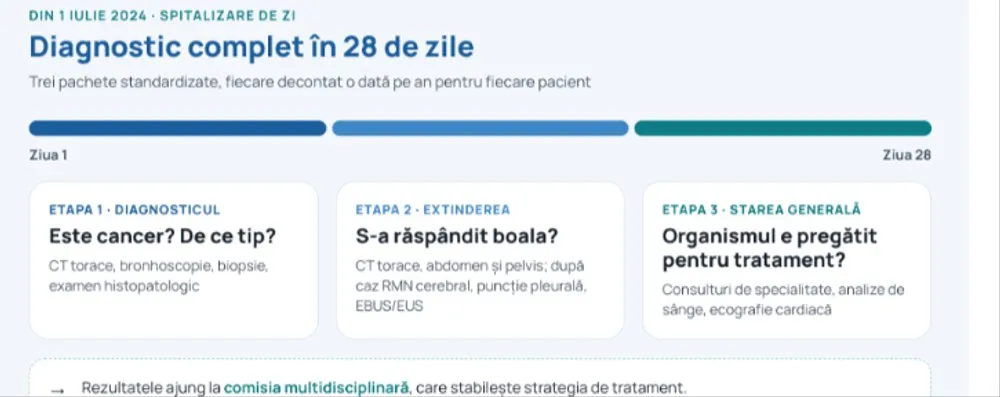
Lung cancer: the care pathway reimbursed by CNAS, from diagnosis to treatment
2 November 2026

VSR in the cold season: increased risk for the elderly and babies, doctors recommend vaccination
2 November 2026
Vaccines of the future: needle-free, personalised and developed with the help of artificial intelligence
2 November 2026
Respiratory infections on the rise in Sibiu: 441 pneumonia cases in one week
1 November 2026

How you drink your tea may affect your heart: what a study of nearly 500,000 people reveals
1 November 2026