
Study: sugar gum, consumed after nitrate-rich vegetables, could reduce blood pressure
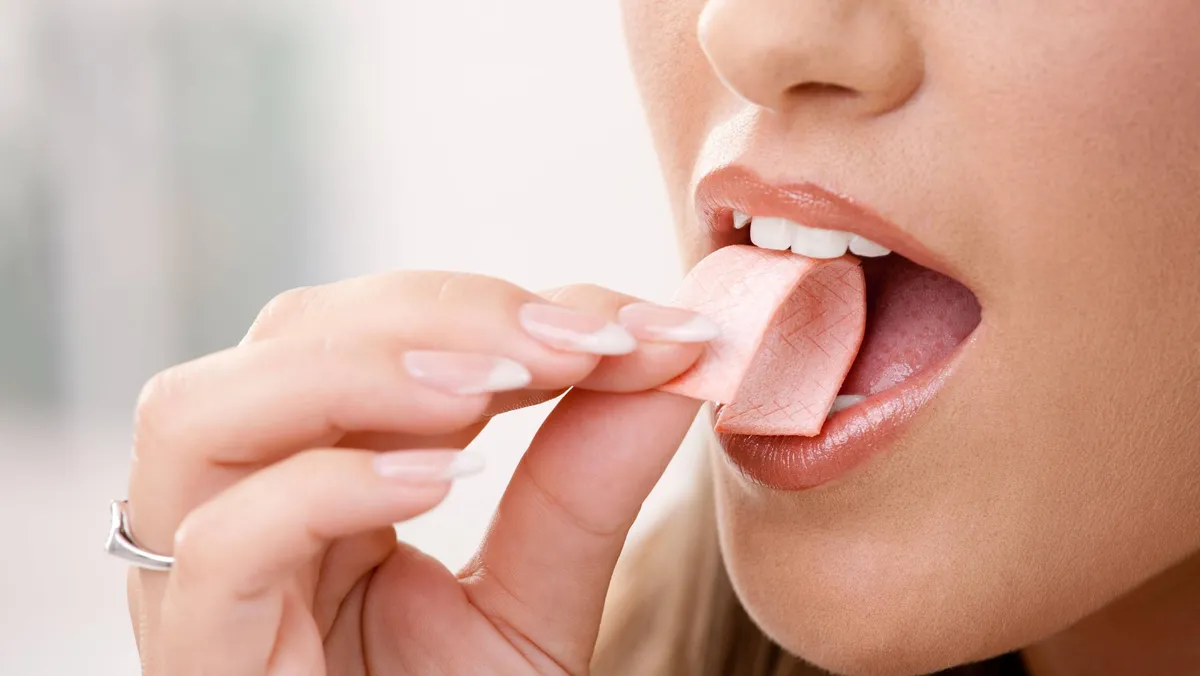
Researchers at King's College London have discovered that sugar-containing chewing gum, when chewed after consuming nitrate-rich vegetables, temporarily enhances the reduction in blood pressure.
High blood pressure remains one of the leading risk factors for heart attack, stroke, and other cardiovascular conditions. It is already well established that diet influences blood pressure control, and vegetables rich in nitrates – beetroot, spinach, kale – have proven beneficial effects on blood vessels.
A study conducted by researchers at King's College London reveals a surprising finding, however: chewing sugar gum after consuming these vegetables can briefly amplify the process by which the body converts dietary nitrates into substances that relax blood vessels and lower blood pressure. The authors are clear that this discovery does not constitute a recommendation to use sugar gum as a healthcare measure, according to News.ro.
How the process works
Nitrates occur naturally in many vegetables. For the body to make use of them, bacteria in the mouth first convert them into nitrites, which then become nitric oxide – a molecule that dilates blood vessels, improves circulation, and helps lower blood pressure.
The researchers wanted to test whether altering the acidity of saliva could influence the efficiency of this conversion, starting from the hypothesis that more acidic saliva would favour the conversion of nitrates into nitrites.
How the study was conducted
Healthy volunteers each consumed a dose of beetroot juice, which is known for its high nitrate content. Participants were randomly divided into two groups: some chewed sugar gum, others sugar-free gum, for three to six hours. The researchers periodically measured blood pressure and analysed blood and saliva samples. After at least one week, each participant repeated the experiment with the other type of gum.
Results
- Sugar gum lowered salivary pH more, making it more acidic
- The concentration of nitrites in saliva was 45% higher compared to sugar-free gum
- Blood nitrite levels increased by 25%
- Systolic blood pressure fell by nearly 3 mmHg
- Diastolic blood pressure fell by approximately 2 mmHg
What the researchers say
Dr Andrew Webb, a lecturer at the School of Cardiovascular and Metabolic Medicine at King's College London, explained that the influence of salivary acidity on nitrate conversion had received very little research attention until now: "The effects observed were only temporary and lasted a few hours. Long-term consumption of sugar-containing products is not recommended due to their effects on dental health. Nevertheless, the results suggest that a sweet dessert – for example, a piece of fruit eaten after a meal rich in high-nitrate vegetables – could temporarily enhance their effects on blood pressure and physical performance," he stated in a press release.
Dr Charlotte Mills, a researcher at the University of Reading and co-author of the study, highlighted the role of oral bacteria in the utilisation of nitrates: "We are not recommending that people start chewing sugar gum on a regular basis. Frequent sugar consumption harms dental health and, in excess, also has negative effects on cardiometabolic health. The results do demonstrate, however, that there is potential to improve the way the body processes dietary nitrates. The next step is to identify methods that deliver the same benefit without the drawbacks of sugar consumption," the researcher noted.
Study limitations and next steps
The research was carried out on healthy volunteers, and the observed effects were short-lived. The authors do not recommend the use of sugar gum as a method of reducing blood pressure, and emphasise the need for safer strategies suitable for long-term use.
The team believes the finding could also have applications in sports medicine, as nitrates from beetroot are already widely used by athletes to enhance physical performance. The researchers plan to conduct a larger study to assess whether this strategy can influence nitrate conversion, blood pressure, and exercise performance in athletes.
The study was published in the British Journal of Clinical Pharmacology.
Content paraphrased and adapted by SeniorHelp from verified public sources.
Original source: Digi24 →Previous article
A new digital tool rapidly identifies patients with serious side effects from immunotherapy
Next article
Romania risks downgrade to junk status: pensions and salaries possibly frozen in 2027
Similar news

What a liver operation involves: preparation and recovery
15 October 2026

Cardiac MRI: the investigation that provides detailed images of the heart
15 October 2026

Chronic insomnia linked to higher risk of stroke, dementia and hospitalisation, shows study of 1.3 million people
14 October 2026

He Survived Colon Cancer Three Times. He Hid the First Sign for Years
13 October 2026

DXA Osteodensitometry: how bone density and fracture risk are assessed
13 October 2026

Chronic inflammation can damage the heart before symptoms appear, shows a study of 488,000 people
13 October 2026