
Grapes, the Fruit Recommended by Nutritionists for the Health of Senior Citizens
Daily grape consumption may protect the heart, brain and gut in older adults, thanks to their high antioxidant content.
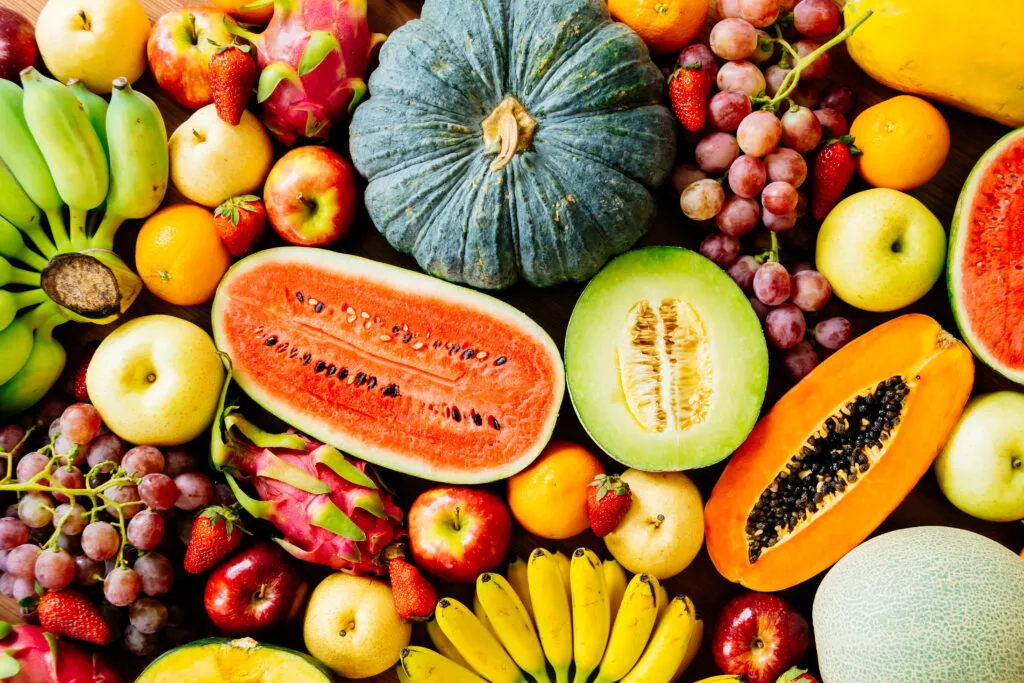
A common and widely available fruit is proving to be a true ally in maintaining good health in later life. Grapes contain a high concentration of beneficial compounds that can contribute significantly to protecting vital organs in older adults.
Active compounds with multiple benefits
The nutritional value of grapes comes from polyphenols – substances with powerful antioxidant properties. These natural compounds include phenolic acids, anthocyanins, flavonoids and stilbenes, all of which support cardiovascular, cognitive and digestive function.
Purple varieties offer maximum protection
Research shows that deep purple grapes contain the highest levels of anthocyanins and demonstrate superior antioxidant capacity compared to red or green varieties. The intense colour serves as an indicator of the high concentration of protective nutrients.
Small quantities, significant benefits
Large portions are not required to achieve therapeutic effects. Consuming 22–44 grapes per day is sufficient to benefit from their protective properties. The fruit's natural structure facilitates optimal absorption of nutrients by the body.
Cardiovascular protection for older adults
Resveratrol and proanthocyanidins found in grapes help relax blood vessels, lower blood pressure and maintain healthy cholesterol levels. These effects are particularly important for older adults at increased cardiovascular risk.
Supporting cognitive function
The antioxidants present in grapes provide neuroprotection and may reduce the risk of developing neurodegenerative diseases. Regular consumption can help slow the cognitive decline associated with ageing – a crucial factor in preserving the independence of older adults.
The benefits extend to digestive health as well, where polyphenols improve the balance of the gut microbiome. This optimised digestive health has a positive influence on both cardiac and cognitive function, creating a beneficial cycle that begins with including this simple fruit in the daily diet.
Content paraphrased and adapted by SeniorHelp from verified public sources.
Original source: Mediafax →Previous article
From June, sick leave for chronic and oncology patients will be fully paid from the first day
Next article
Extreme Heat Wave in May 2026 Endangers the Health of Elderly People in Romania
Similar news

What a liver operation involves: preparation and recovery
15 October 2026

Cardiac MRI: the investigation that provides detailed images of the heart
15 October 2026

Chronic insomnia linked to higher risk of stroke, dementia and hospitalisation, shows study of 1.3 million people
14 October 2026

He Survived Colon Cancer Three Times. He Hid the First Sign for Years
13 October 2026

DXA Osteodensitometry: how bone density and fracture risk are assessed
13 October 2026

Chronic inflammation can damage the heart before symptoms appear, shows a study of 488,000 people
13 October 2026