
Stagflation in the EU Directly Impacts Pensioners' Pensions and Purchasing Power
Rising inflation and economic decline in the EU will erode pension values and drive up care costs for older adults.

The European Union is facing a concerning economic phenomenon that will have a direct impact on the lives of seniors: stagflation — the combination of sluggish economic growth and rising inflation. This situation, driven by conflicts in the Middle East region, will significantly erode the purchasing power of pensioners.
EU Economics Commissioner Valdis Dombrovskis has confirmed that economic growth forecasts will be revised downwards, while inflation projections will be raised. This "stagflationary shock" represents a toxic combination for seniors living on fixed pensions.
For older people in Romania and across the European Union, this economic development means their pensions will buy less. The costs of medicines, healthcare, food and care services will rise more quickly than their fixed incomes.
The impact will also be felt in the senior care sector, where care home operators and home care service providers will face higher operating costs. These cost increases may be passed on to families who pay for care services.
In this challenging economic climate, seniors will need to be even more careful about managing their personal budgets, while their families should consider more financially efficient care options. Specialists recommend carefully assessing care needs and seeking solutions tailored to the new economic realities.
Content paraphrased and adapted by SeniorHelp from verified public sources.
Original source: Digi24 →Previous article
Inflation Could Reach 11% - Major Impact on Pensioners and Care Costs
Next article
Subtle signs that signal diabetes risk in older adults
Similar news
 Foto ilustrativă
Unemployment rose in August to 260,919 people, the majority aged over 55
25 September 2026
ROBOR at three months rose to 5.93%, the highest level in the past seven months
24 September 2026
 Foto ilustrativă
Nazare, after meeting with S&P: budget execution, the main argument for maintaining the rating
24 September 2026

Rising maintenance bills: pensioners fear the costs of this winter
24 September 2026
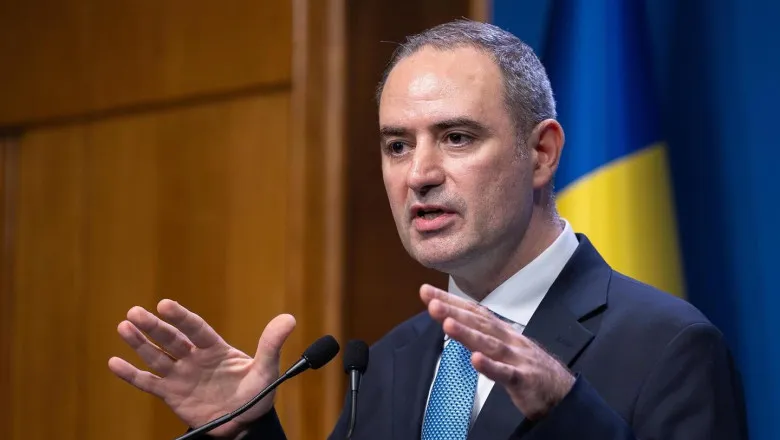
Alexandru Nazare: there is no risk to the payment of pensions and salaries at this time
24 September 2026
INSCOP Poll: over half of Romanians see no economic recovery; 61% among AUR voters
23 September 2026