
Romania Risks Downgrade to "Junk" Status by S&P: What It Means for Pensions and Salaries
S&P agency decides whether Romania loses its investment-grade rating. A downgrade would increase the cost of government borrowing and put pressure on the pensions budget.
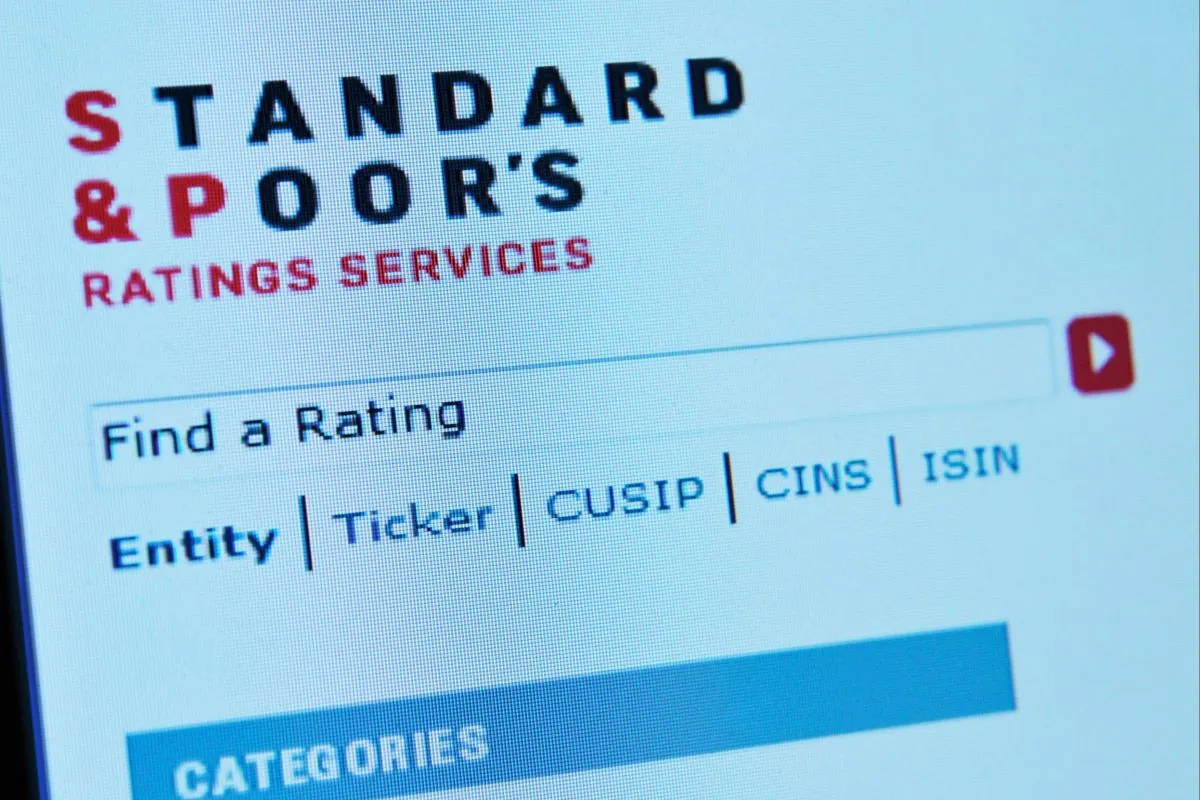
Romania is awaiting an important decision from the American financial rating agency Standard and Poor's, which will determine whether the country retains its current negative outlook or is downgraded to "junk" status (not recommended for investment). Agency specialists have already held discussions with Romanian officials, conveying that continued measures to reduce the budget deficit are necessary.
Financial experts are warning that the risk of a downgrade is real, given the political instability of recent months and the country's economic situation.
What Would Change for Romania
A potential move to "junk" status would lead to higher interest rates on loans contracted by the state. Currently, interest rates on 10-year loans have already exceeded 7.5%, and specialists estimate that these could surpass 8% in the event of a downgrade.
Adding to this is the fact that the state is already spending over 40 billion RON solely on interest payments, and public debt is estimated to reach over 63% of gross domestic product by 2027.
What It Would Mean for Ordinary People
A downgrade could place pressure both on the leu-euro exchange rate and on the state budget from which pensions and salaries are paid. In the most severe scenario, Romania could find itself unable to borrow to cover current expenditures, including pensions and salaries, which could trigger a new wave of price increases and taxes.
The final decision by S&P Global Ratings will be contained in an official report, which will reveal whether Romania retains its current rating or moves into the "junk" category.
Content paraphrased and adapted by SeniorHelp from verified public sources.
Original source: Realitatea →Previous article
ROBOR Exceeds 6%: Higher Instalments for 152,000 Romanians with Mortgage Loans
Next article
Knee replacement: when orthopaedic surgeons recommend it
Similar news
 Foto ilustrativă
The Senate has voted on the ROBOR credit recalculation law. Romanians could receive money back from banks
14 October 2026

Senate wants recalculation of loans affected by ROBOR, based on IRCC
14 October 2026

Bușoi: The Next Government Must Quickly Decide Whether to Extend the Gas Support Scheme
14 October 2026

Average net salary fell to 5,688 RON in August, below inflation
13 October 2026

Average net salary fell in August 2026, inflation wiped out wage increases
13 October 2026

Annual inflation rose to 6.61% in September, INS announces
13 October 2026