
Rogobete: the pay law risks triggering a new exodus of doctors from hospitals
The former Health Minister warns that some ICU doctors could lose 3,000–4,000 RON per month and calls for the unblocking of hospital positions.
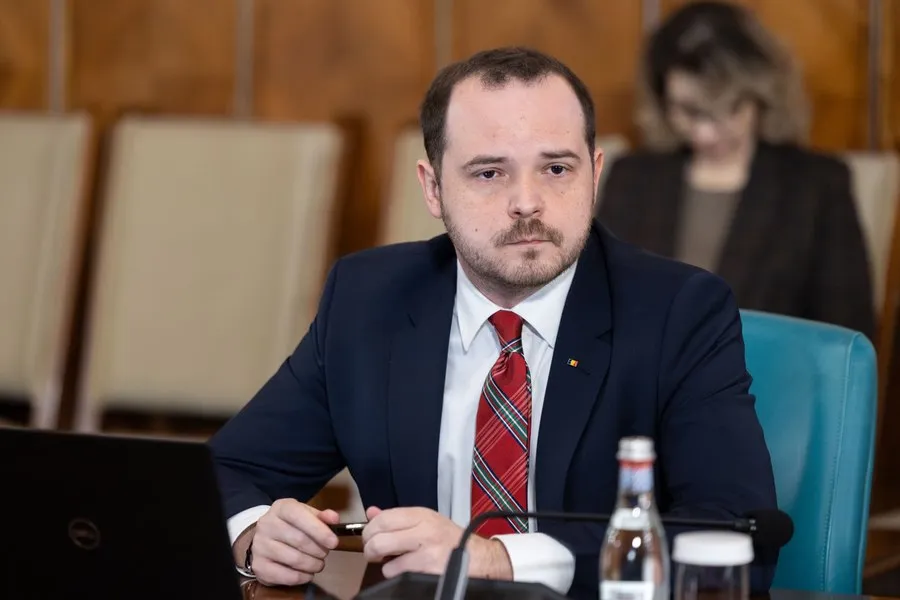
Former Minister of Health Alexandru Rogobete has raised concerns about the risks posed by the current form of the Healthcare Salary Law, warning that it could trigger a new wave of doctors leaving Romania.
According to him, regardless of whether the law is withdrawn or not, the version currently under discussion represents "a disaster" — not only in the short term, but in the medium and long term as well.
Rogobete explained that doctors in Anaesthesia and Intensive Care (ATI) units could, in certain circumstances, see their income reduced by between 3,000 and 4,000 RON.
The former minister fears that this drop in earnings could undo the progress made in recent years, during which many Romanian doctors based abroad chose to return home. He noted that, during his tenure, he signed several orders facilitating the return to Romania of doctors who had been working in France, Germany, and other countries.
"There will be an unprecedented exodus of doctors from certain specialities — Intensive Care, Emergency Medicine, Surgery, Cardiology. This exodus had come to a halt in recent times," said Rogobete, adding that, without corrective measures, "the exodus will resume and there will be no more predictability. Patients will arrive at hospital and will be unable to have surgery because the anaesthetist is in France."
"Reform does not mean cutting incomes"
Rogobete argues that the healthcare system is in genuine need of reform, but that this should not come at the expense of medical staff's salaries. He cited examples of necessary reforms, including the reclassification of hospitals, the establishment of a strategic hospital category, and a review of staffing standards. "Reform does not mean reducing the income of healthcare personnel. That is certainly not reform," he stated.
Amendment to unblock hospital posts
The former minister announced that he would seek, through a parliamentary amendment, to unblock a number of hospital posts, given the staffing shortages flagged by trade unions as well. He stressed that it is unjust for units such as accident and emergency departments or intensive care wards — where up to 300 patients may arrive in a single day — to be prevented from taking on additional staff.
According to Rogobete, the amendment is due to be discussed on Wednesday in the Chamber of Deputies and could also help resolve issues related to on-call rotas, which have been disrupted by staff shortages.
The former minister also drew attention to the plight of young specialist doctors left without employment in the public sector: "I signed 2,000 specialist doctor certificates for those who completed their residency last year. At present, these doctors are unemployed."
"The real reform lies with the National Health Insurance House"
Rogobete believes that the genuine solution to the problems in healthcare lies not in reducing doctors' pay, but in changing the way hospitals are funded. He argued that if the tariffs of the National Health Insurance House were updated to 2026 levels and hospitals were reimbursed at current costs rather than those from a decade ago, the proportion of expenditure allocated to salaries would decrease automatically.
The former minister also contradicted statements made by the outgoing Prime Minister regarding the share of salaries in hospital budgets, describing it as "completely false" that 90% of a hospital's budget goes on wages "in the current context."
Content paraphrased and adapted by SeniorHelp from verified public sources.
Original source: Adevărul →Previous article
Rogobete: the pay law could trigger an unprecedented exodus of doctors
Next article
Why Do We Fall Asleep When We Stay Still? The Explanation from the Programme "Realitatea medicală"
Similar news
 Foto ilustrativă
Rogobete: healthcare system risks financial blockages, needs up to 11 billion RON by year's end
27 October 2026
 Foto ilustrativă
Pensioner from Gorj, full reimbursement awarded in court for Da Vinci robot surgery at a private clinic
27 October 2026
Pensions and taxes in 2027: what scenarios fiscal consultant Adrian Negrescu is putting on the table
27 October 2026
 Foto ilustrativă
SANITAS Threatens General Strike: Demands Hospital Funding and Lifting of Hiring Freeze
27 October 2026
Chronic patients forced to pay out of pocket for additional MRI and CT scans
26 October 2026
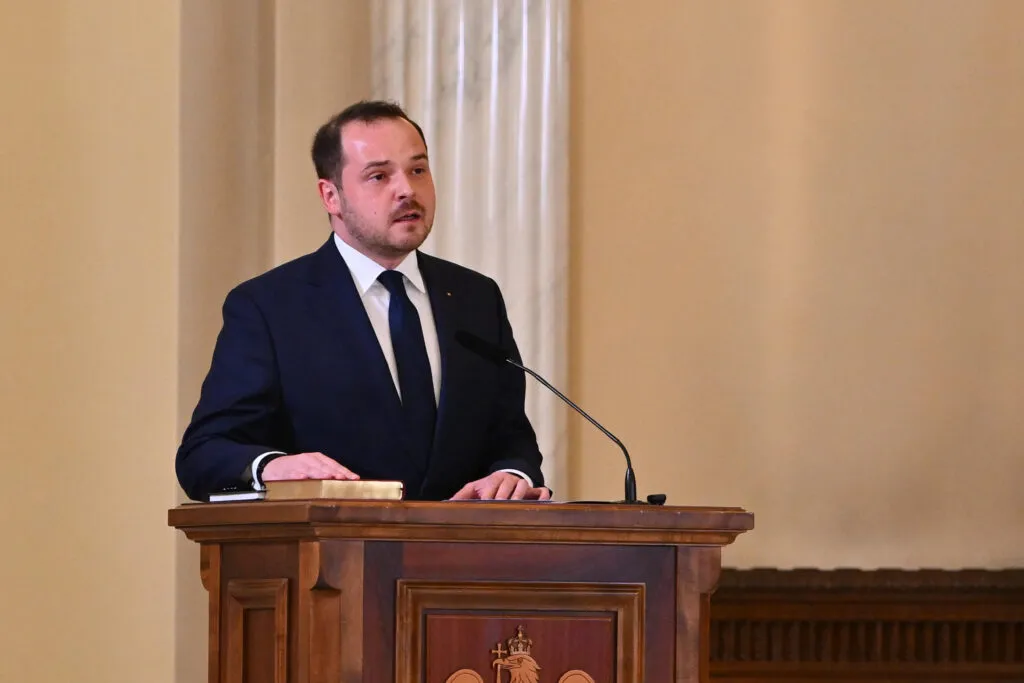
Health Minister: "No hospitals are closing". Rogobete bets on outpatient clinics and day hospitalisation
26 October 2026