
Public Sector Pay Reform: New Rules to Affect Health and Social Care Staff
The Government is presenting the new unified pay law for the public sector, which will come into force in 2027 and will affect staff in care homes for the elderly and the healthcare system.
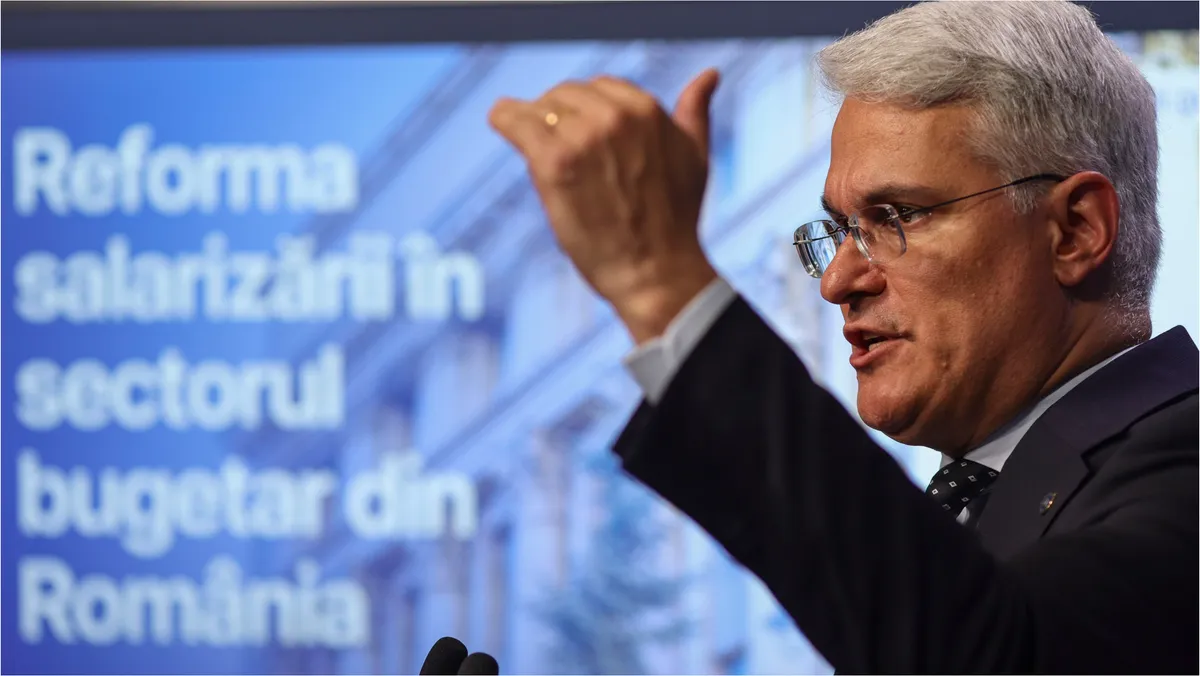
The Romanian Government has officially presented the new unified pay legislation for the public sector, a major reform provided for under the National Recovery and Resilience Plan (PNRR). The reform will have a significant impact on staff working in senior care and the public health system.
Interim Labour Minister Dragoș Pîslaru announced that the new legislation introduces a unified pay framework for all public sector employees, eliminating the disparities and differential treatment that currently exist. The measure will directly affect staff at public care homes for the elderly, geriatric hospitals and social assistance centres.
One of the most significant changes involves capping salary supplements, which could affect the earnings of nurses, carers and other categories of staff working in elderly care. This measure aims to create a fair and transparent framework for all public sector employees.
The new pay scale will be applied in full from 1 January 2027, with no exceptions or derogations for specific professional categories. This unified approach will eliminate the special pay arrangements that have created inequities in the past between different sectors of the public administration.
For the senior care sector, the reform may bring greater predictability regarding staff remuneration, which could improve workforce stability in this critical field. At the same time, greater clarity around the pay system could facilitate the recruitment of qualified staff at public care homes for the elderly.
The draft legislation has been submitted for public consultation, giving all interested parties the opportunity to express their views before its final adoption. This public consultation is essential to ensuring a balanced implementation of the reform across all affected sectors.
Content paraphrased and adapted by SeniorHelp from verified public sources.
Original source: Digi24 →Previous article
Early Heatwave in France: Increased Risk for Seniors During the Scorching Conditions
Next article
Reform of public sector pay: 12-grade scale and compensation for over 500,000 employees
Similar news

Cât plusează la pensie stagiul militar obligatoriu efectuat de români
26 September 2026
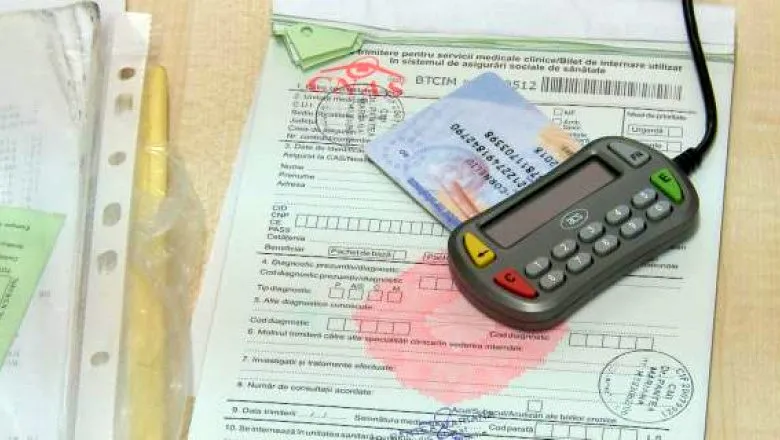
CNAS Shuts Down PIAS Platform Over the Weekend: Medical Services Offline
25 September 2026
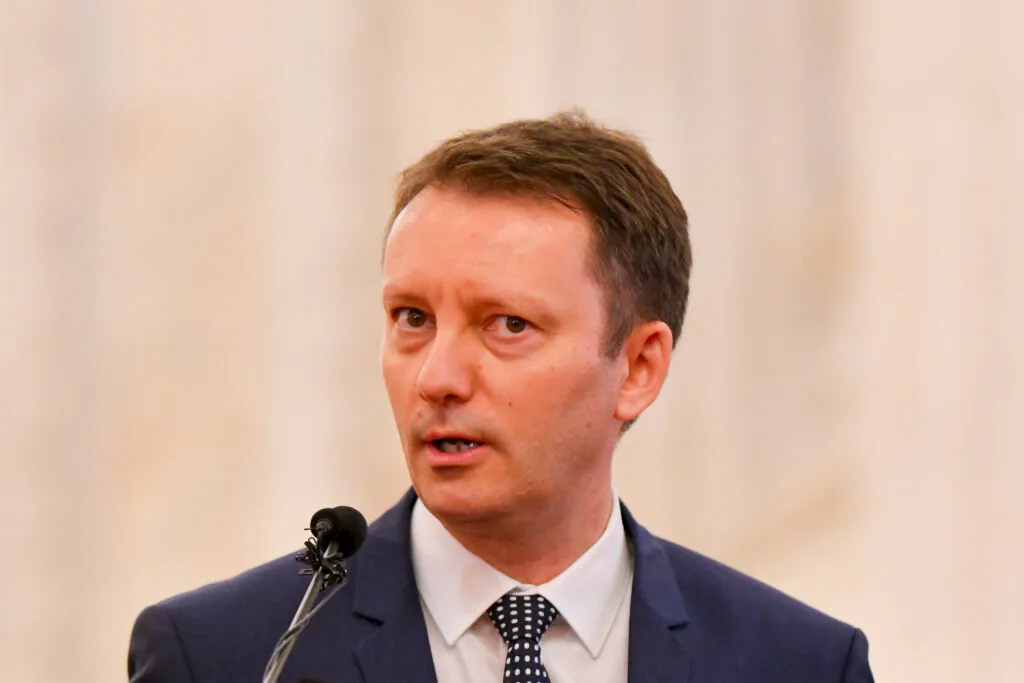
Mureșan: Indexation of pensions and public sector salaries possible from 2027
25 September 2026
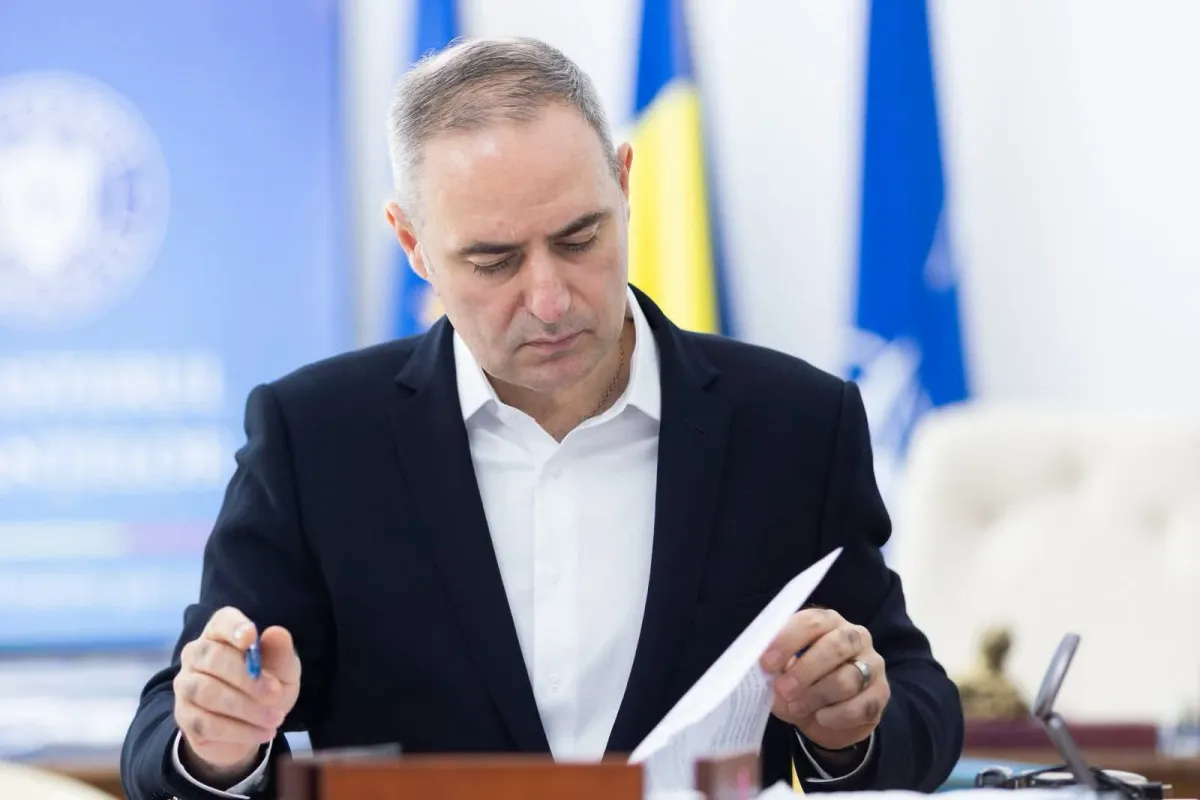
The Government supplements energy and disability funds by 1.058 billion RON
20 September 2026
 Foto ilustrativă
Government allocates an additional 1 billion RON for energy compensation and transport for people with disabilities
20 September 2026
Government allocates another 1 billion RON to subsidise energy and gas bills
19 September 2026