
Recession in 2026: How Romanian Pensioners and Elderly People Will Be Affected
63% of Romanians anticipate a recession in 2026. Seniors, dependent on pensions and social services, will be the most vulnerable to the economic crisis.
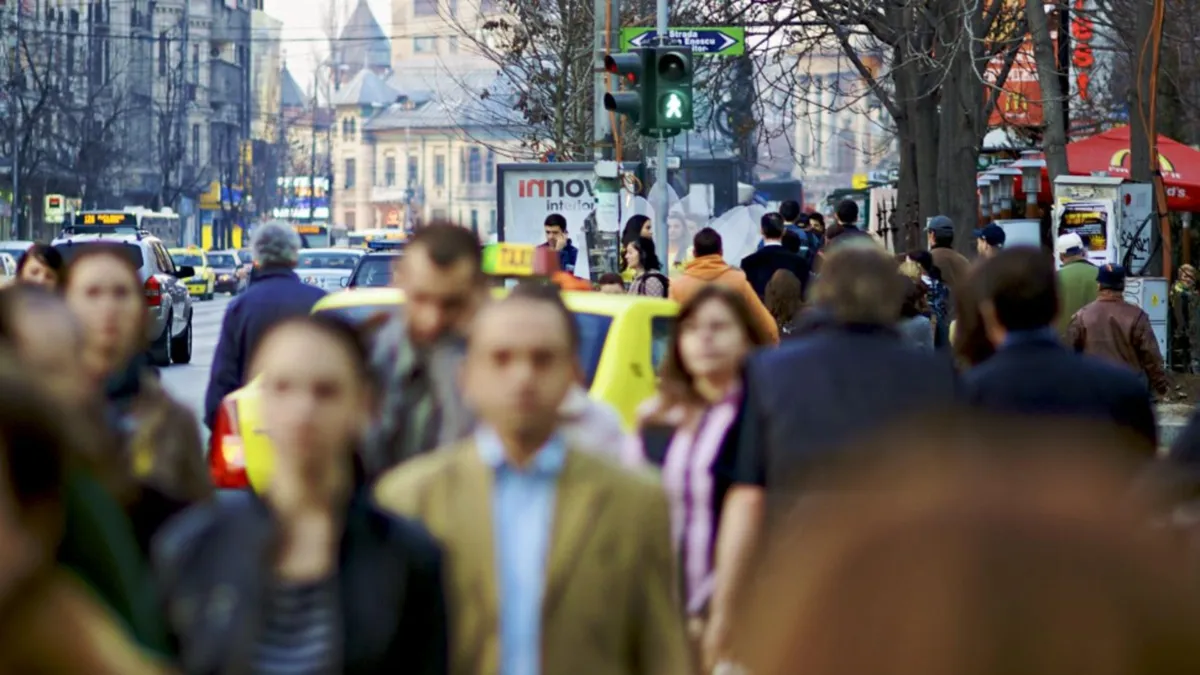
Romania's bleak economic outlook for 2026 raises serious questions about the impact on the country's most vulnerable population — seniors and pensioners. With 63% of Romanians convinced the country is heading for a recession, older people find themselves in a particularly precarious situation, dependent as they are on the pensions system and social services that could be severely affected by a potential economic crisis.
A global study places Romania fourth in the rankings for economic pessimism, with 79% of the population considering 2025 a difficult year. For seniors, this reality translates into concrete concerns about maintaining the purchasing power of their pensions, accessing healthcare, and securing long-term care. Most pensioners are already living on limited incomes, and a recession could further erode their living conditions.
Although 70% of Romanians hope 2026 will bring improvements, the reality is that only a third expect any growth in their disposable income. For older people, this prospect is even more troubling, given that pensions are rarely adjusted for inflation and that seniors have limited options for supplementing their income in a contracting economy.
Impact on the elderly care system
A potential recession could have dramatic consequences for Romania's network of services for seniors. Care homes, home-care services, and day centres could be forced to scale back their operations or raise their fees, placing these services out of reach for many low-income families. At the same time, pressure on the public healthcare system would increase, as growing numbers of older people find themselves unable to afford private care.
The social instability anticipated by 67% of Romanians — including large-scale public demonstrations — could affect seniors in particular, given that they are less mobile and more dependent on public services. The population decline forecast by 74% of respondents points to a demographic problem that will further compound the difficulties facing the pensions system and elderly care provision.
Faced with these challenges, Romanian families will need to rethink their care strategies for elderly parents and grandparents. The tendency to spend more time with family — shared by 91% of Romanians — could become not merely a preference but an economic necessity, as professional care services grow more expensive or less accessible.
For seniors hoping for stability and security in their later years, the economic outlook for 2026 represents a major challenge. Adapting to this volatile environment will require not only the support of families, but also firm public policies to protect society's most vulnerable members during the anticipated economic crisis.
Content paraphrased and adapted by SeniorHelp from verified public sources.
Original source: Realitatea →Previous article
Laughter as Therapy for Seniors: Amazing Benefits for Health and Wellbeing
Next article
Electricity Bills Have Rocketed by 61%. How December Price Rises Are Hitting Pensioners
Similar news
 Foto ilustrativă
The Senate has voted on the ROBOR credit recalculation law. Romanians could receive money back from banks
14 October 2026

Senate wants recalculation of loans affected by ROBOR, based on IRCC
14 October 2026
Bușoi: The Next Government Must Quickly Decide Whether to Extend the Gas Support Scheme
14 October 2026
Average net salary fell to 5,688 RON in August, below inflation
13 October 2026

Average net salary fell in August 2026, inflation wiped out wage increases
13 October 2026

Annual inflation rose to 6.61% in September, INS announces
13 October 2026