
Elevated PSA: what it means and when further investigation is needed
An elevated PSA level does not automatically mean prostate cancer. It can also occur in other conditions, and your doctor may recommend repeating the test or carrying out further investigations.
 Foto ilustrativă
An abnormal test result can cause immediate concern, especially when it is commonly associated with cancer. In reality, the same value can rise for a number of reasons and must be interpreted in context, not in isolation.
This is the case with the PSA test (prostate-specific antigen). An elevated level does not automatically mean prostate cancer. The value can also rise in other situations, such as benign prostatic hyperplasia, prostatitis, urinary tract infections, or even temporarily as a result of certain medical procedures or activities. There is no single PSA value that can confirm or rule out the presence of cancer on its own – the patient's age and how results change over time are important factors in interpretation.
If the PSA value remains elevated, the doctor may recommend repeating the test, a urological consultation, and, depending on the situation, further investigations such as multiparametric MRI. A biopsy is only recommended when the assessment indicates a sufficiently high risk. The key takeaway: an elevated PSA is a signal that requires medical explanation, not a diagnosis in itself.
Content paraphrased and adapted by SeniorHelp from verified public sources.
Original source: Realitatea →Previous article
Why do joints crack? The medical explanation, on Realitatea Medicală
Next article
What Risks Arise from Sitting Too Long, Explained by an Orthopaedic Surgeon
Similar news
 Foto ilustrativă
Flu vaccines delayed: over 350,000 doses to reach pharmacies by the end of the week
19 October 2026

At 86, Two Serious Cardiovascular Conditions Discovered by Chance
19 October 2026

What is the ideal sleep duration? Researchers have calculated it precisely, in hours and minutes
19 October 2026

Late-night eating linked to increased risk of fatty liver disease and cirrhosis, study shows
19 October 2026
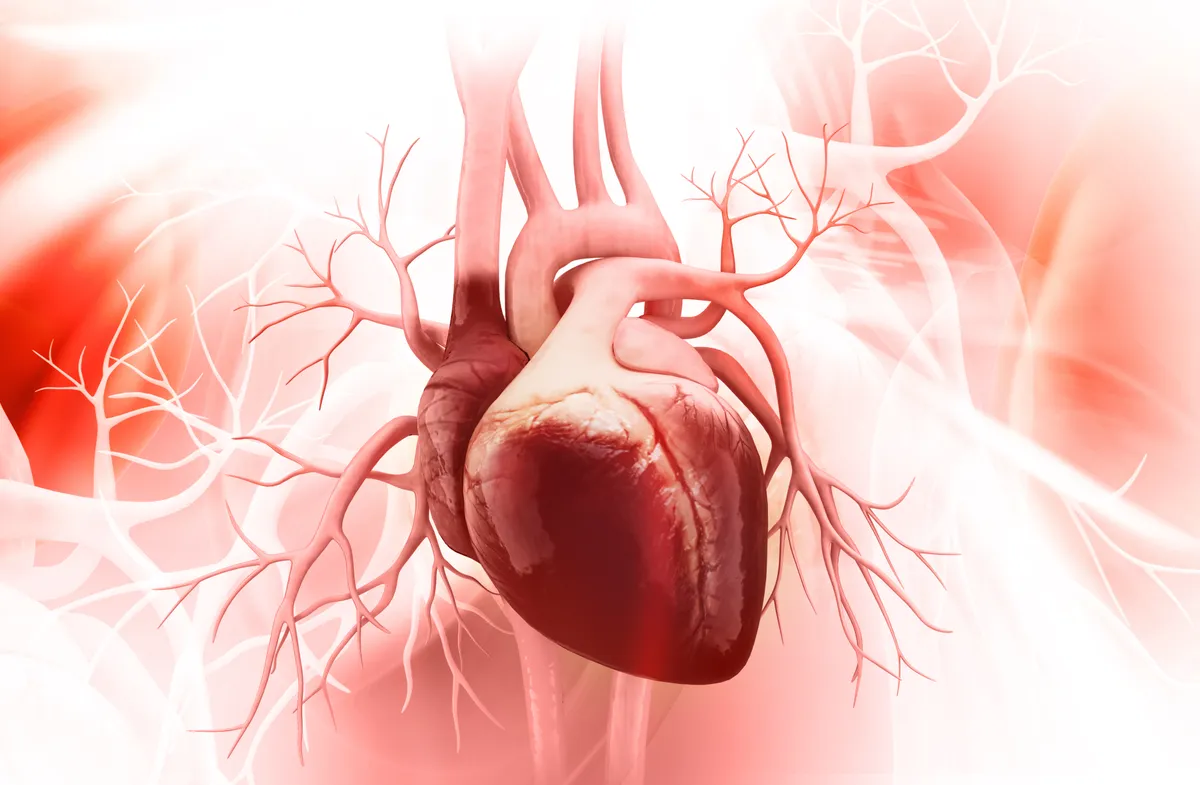
The heart has its own "mini-brain": what a recent study has discovered about its neuronal network
19 October 2026

Mihaela Bilic: why we eat in the evening and when it becomes a problem
18 October 2026