
Grim economic forecast for Romania hits pensioners and seniors hard
The European Commission forecasts economic growth of just 0.1% and inflation of 7% in 2026, which will dramatically erode pensioners' purchasing power.
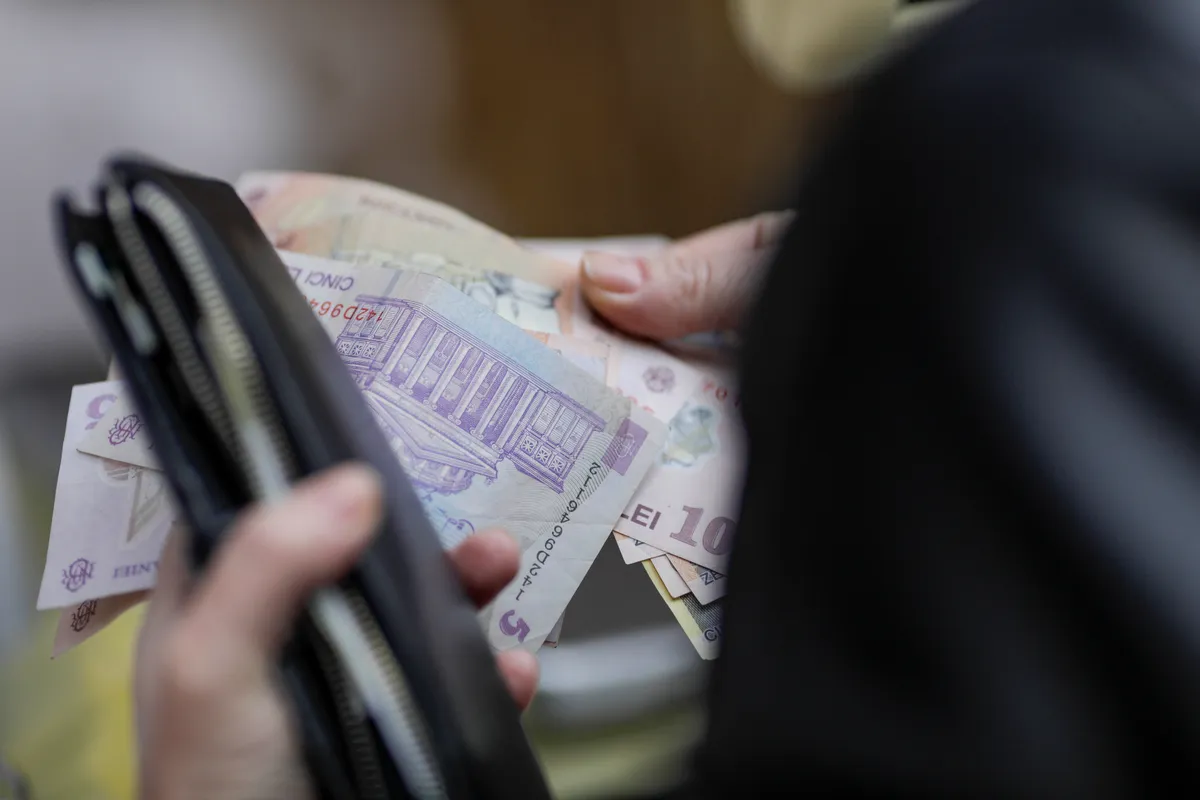
 Foto ilustrativă
The European Commission's new economic forecasts for Romania paint a worrying picture for the country's seniors and pensioners. The updated projections show economic growth of just 0.1% in 2026, a sharp drop from the previous forecast of 1.1%, while inflation is expected to reach 7% by the end of next year.
Romania is recording the largest downward revision to its growth forecast of any European Union member state, with a full one-percentage-point decline. This economic deterioration comes against the backdrop of a sluggish German economy — Romania's principal trading partner — and domestic fiscal adjustments placing additional pressure on the local business environment.
Devastating impact on pensioners
For Romanian pensioners, the combination of economic stagnation and high inflation creates a particularly difficult situation. While their purchasing power will be eroded by 7% inflation, the prospects for any significant pension increases remain limited in a near-zero growth environment.
Compared with neighbouring countries, Romania finds itself in a far more precarious position in terms of inflation. While Poland is forecast at 3.6% inflation, Hungary at 3.2%, and Bulgaria at 4.2%, Romania is facing inflationary pressure roughly double that of these countries.
Growing pressure on social services
Business organisations are warning that the Romanian economy is simultaneously absorbing two major shocks: an external one, driven by the global energy crisis, and an internal one, stemming from fiscal adjustment. This situation places direct pressure on the public resources available for the pension system and social services intended for seniors.
The only positive element identified is that the budget deficit estimate has been maintained at 6.2% for the end of 2026, which offers a degree of predictability for public policy — including policies aimed at seniors.
Structural challenges ahead
Beyond the macroeconomic figures, the report highlights structural problems affecting the long-term competitiveness of the Romanian economy. Romania has one of the lowest employment rates in the EU, which reduces the contributor base for the pension system and places additional pressure on its sustainability.
Another major risk is the slow adoption of artificial intelligence and the low level of digital skills, which consistently place Romania in the category of so-called 'emerging innovation' economies. This situation may widen the gap with more advanced European economies and, over the long term, undermine the country's ability to sustain a robust social protection system for its seniors.
Content paraphrased and adapted by SeniorHelp from verified public sources.
Original source: StartupCafe →Previous article
Competition Council Fines Medical Equipment Companies €1.27 Million for Anti-Competitive Practices
Next article
Inflation Figures Explained: What Pensioners Need to Know About Purchasing Power
Similar news
 Foto ilustrativă
The Senate has voted on the ROBOR credit recalculation law. Romanians could receive money back from banks
14 October 2026

Senate wants recalculation of loans affected by ROBOR, based on IRCC
14 October 2026

Bușoi: The Next Government Must Quickly Decide Whether to Extend the Gas Support Scheme
14 October 2026
Average net salary fell to 5,688 RON in August, below inflation
13 October 2026

Average net salary fell in August 2026, inflation wiped out wage increases
13 October 2026

Annual inflation rose to 6.61% in September, INS announces
13 October 2026