
Cardiac problems: when to see a doctor and what treatments are available
Fatigue, chest pain, or shortness of breath may signal heart problems. Find out when you need a cardiology consultation or emergency care, and what treatments a multidisciplinary team can offer.
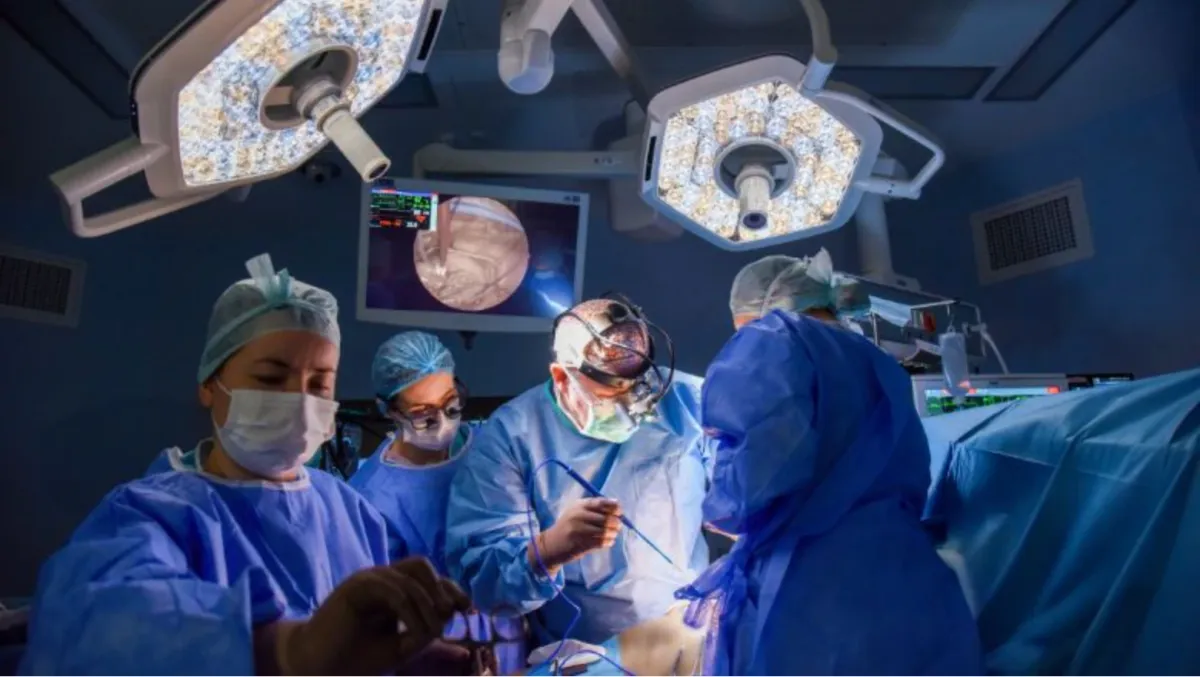
Fatigue during minimal exertion, chest pain felt as a pressure or tightening sensation, and shortness of breath may all be signs of a cardiac problem. If these symptoms persist or recur, a cardiology consultation is recommended to determine the cause and appropriate treatment. However, sudden, severe chest pain — particularly when accompanied by breathing difficulties — requires immediate medical attention.
Several treatment options are available today for cardiovascular conditions: medication, interventional procedures, or surgery. The most appropriate method depends on each patient's individual circumstances.
What is the Heart Team
Patients with complex cardiovascular conditions can turn to specialist centres, where they receive a comprehensive assessment carried out by a multidisciplinary team known as the Heart Team. Depending on the case, this team may include cardiologists, interventional cardiology specialists, cardiovascular surgeons, cardiac intensive care physicians, as well as specialists in radiology and advanced medical imaging, alongside doctors from other fields. Together, they determine the most suitable treatment plan.
The team's collaboration continues throughout the treatment itself. There are hybrid vascular procedures that combine interventional and surgical techniques, whilst structural cardiac procedures and certain endovascular treatments are also performed by multidisciplinary teams, assembled according to the type of intervention and the patient's needs.
What the Centre of Excellence at Spitalul Clinic SANADOR offers
At the Centre of Excellence and Training in Minimally Invasive Cardiovascular Surgery within Spitalul Clinic SANADOR, patients have access — subject to clinical indication — to minimally invasive surgical procedures performed via minithoracotomy or endoscopic techniques, as well as endovascular procedures, some of which represent national firsts.
Cardiovascular surgery operations are carried out in a fully digitalised operating theatre, whilst interventional procedures take place in the Catheterisation Laboratory or in the hybrid operating room. Patients also have access to advanced cardiovascular diagnostic investigations, such as coronary angiography and arteriography.
Severe cases, including certain cardiovascular emergencies, are monitored and treated in the USTACC — the Advanced Monitoring and Treatment Unit for Critically Ill Cardiac Patients. Situations requiring advanced medical support are managed in the Category I Cardiovascular Intensive Care Unit, with an extended level of expertise.
In the case of complex cardiovascular disease, access to an integrated medical team equipped with modern diagnostic and treatment methods can make all the difference in tailoring care to each patient's individual needs.
Content paraphrased and adapted by SeniorHelp from verified public sources.
Original source: Realitatea →Previous article
Alexandru Nazare: pensions could be "prudently" indexed from 1 January 2027
Next article
What is the "Heart Team" and why is a team-based cardiac evaluation important
Similar news

The biological age of the heart, estimated with AI, can indicate the risk of death in people over 50
14 November 2026

Harvard Study: for a longer life, variety of exercise matters, not just movement
14 November 2026

Diabetes: over 40% of sufferers don't know they are affected. The signs that must not be ignored
14 November 2026

Type 2 diabetes increases the risk of Alzheimer's by 53%, a new study shows
14 November 2026
 Foto ilustrativă
How Much Salt Is It Healthy to Eat Daily. What a Cardiologist Says About the Risks and Foods with Hidden Sodium
14 November 2026

Ministry of Health launches the 2027–2031 Digitalisation Strategy: a single electronic record for patients
13 November 2026