
Pensioners Can Combine Pension With Salary in 2026 Too – Measure Also Targets the Medical Sector
The Government is extending the possibility of combining a pension with a salary in order to retain experienced specialists in critical fields such as healthcare.
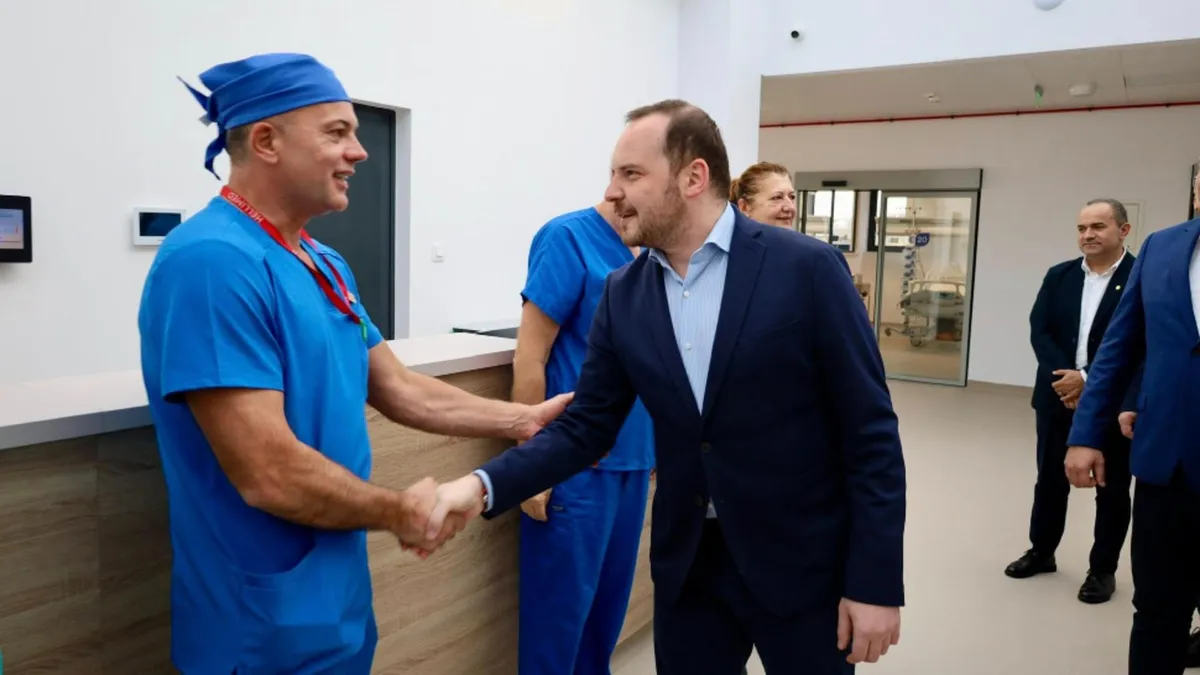
The Romanian Government has decided to extend into 2026 the option for pensioners to combine their pension with a salary — a measure aimed primarily at critical sectors where the experience of seasoned professionals is essential. This decision, which will be regulated through an emergency ordinance, responds to the pressing need to retain highly experienced specialists in the workforce, particularly in the medical and educational fields.
The measure adopted by the Executive is an acknowledgement of the invaluable contribution made by experienced professionals in sectors where staff shortages represent a chronic problem. Against a backdrop of demographic ageing and the exodus of specialists to other countries, retaining those who have accumulated years of experience has become a strategic priority for the optimal functioning of essential public services.
For the healthcare sector, this decision may offer a temporary solution to the acute shortage of qualified medical staff. Many doctors and nurses with extensive experience in treating a wide range of conditions can continue to provide quality care even after retirement, thereby contributing to improved medical assistance for all patients — including elderly people who require specialist care.
The announced legislative changes also target the removal of administrative obstacles that slow down the functioning of the healthcare system. By simplifying professional recognition and accreditation procedures, the aim is to create a more flexible framework that allows for better management of human resources in the medical sector. These changes are particularly important for ensuring continuity of medical care for elderly patients, who often require complex, long-term treatment.
Another significant measure concerns the organisation of competitive examinations to fill vacant hospital posts, free from the general restrictions on hiring. This administrative flexibility can help address gaps in the medical system and improve the quality of care provided to patients. For older people requiring specialist medical attention, this measure may mean faster access to the treatments they need.
Facilitating the return of Romanian doctors from the diaspora by accelerating professional recognition procedures represents a long-term strategy for strengthening the healthcare system. The experience these specialists have gained in high-performing medical systems abroad can bring significant benefits to the quality of medical care in Romania, including for the elderly population requiring specialist treatment for age-related conditions.
All of these measures converge towards the shared objective of building a more stable and efficient health system. For families with elderly members in need of medical care, these changes may mean improved access to quality services and greater predictability when planning long-term treatments.
Content paraphrased and adapted by SeniorHelp from verified public sources.
Original source: Realitatea →Previous article
Hypermarkets fined by ANAF for inflated food prices ahead of the holidays
Next article
Gas Bills Set to Rise for Seniors from April 2026. What Pensioners Need to Know
Similar news

New law: savings and investment accounts for retirement, based on the American 401(k) model
16 October 2026

Pensions indexed from 2027 and capped salaries: what the Niculescu Government's programme provides for
15 October 2026

Niculescu Government promises extended energy bill support and gradual gas liberalisation
15 October 2026

AUR proposes retirement at 60 for people diagnosed with cancer
15 October 2026
College of Physicians calls for government reforms: on-call duties paid at 2017 salary levels
14 October 2026
 Foto ilustrativă
Patients with chronic illnesses warn they risk running out of treatments. Appeal to authorities
14 October 2026