
Omnibus Ordinance: Civil servants' salaries frozen, energy vouchers extended until 2026
Guvernul adoptă măsuri de corecție bugetară care afectează pensionarii și seniorii: vouchere energie prelungite, dar îngheț salarial în sectorul public. The Government adopts budget correction measures affecting pensioners and seniors: energy vouchers extended, but public sector wages frozen.
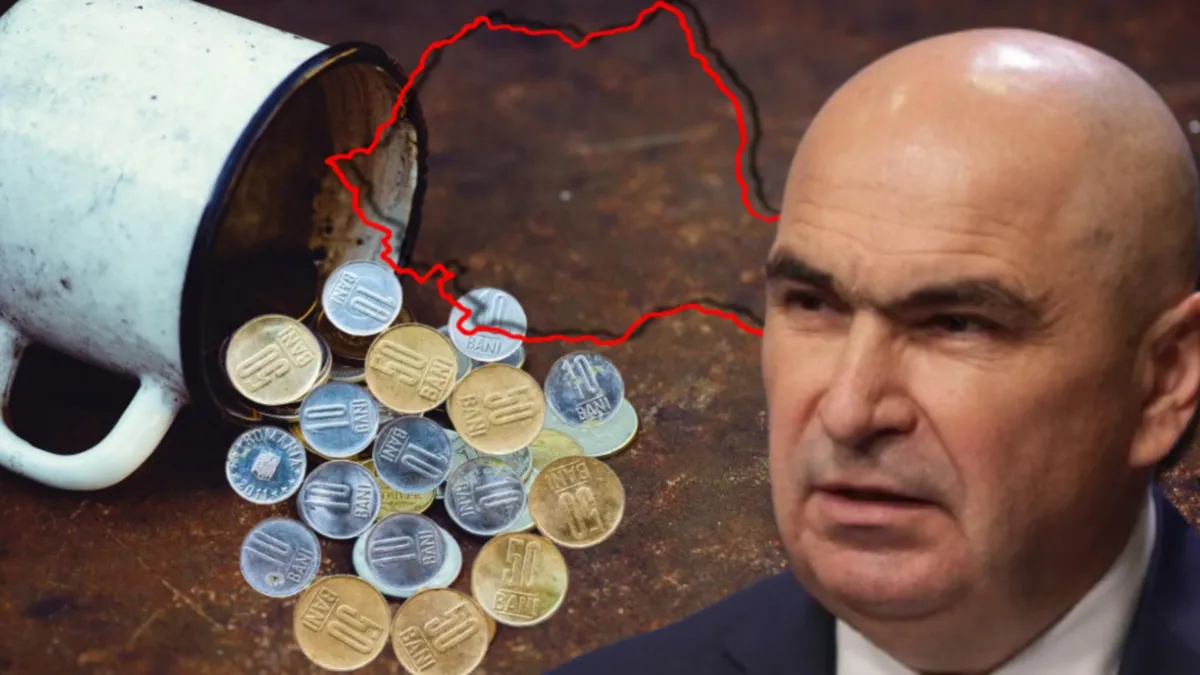
The Government has adopted the controversial "train" Emergency Ordinance — a package of fiscal consolidation measures that will have a significant impact on older people and pensioners in Romania. The document sets out a series of important changes to tax and social policy for the period ahead.
One of the most significant measures for older people is the extension of energy and natural gas vouchers until the end of 2026. This decision comes against the backdrop of growing difficulties many pensioners face in paying their utility bills, with government support remaining essential for this vulnerable group.
At the same time, the measures adopted include a freeze on public sector salaries throughout 2026. This directly affects staff in healthcare and social services — sectors that are critical to the care of the elderly population. Doctors, nurses, and care home staff will not receive any pay rises next year.
Impact on the healthcare system
The Ordinance provides for the postponement of pay increases in the healthcare sector until 2027–2028. This raises serious questions about the quality of medical services for older people, who represent the primary users of the health system. Inadequate investment in medical personnel could directly affect access to specialist care for the elderly.
The penalty point value will also remain frozen until July 2026 — a measure that may have an indirect impact on older people, particularly given that many rely on public transport or benefit from various social concessions.
Spending reduction measures
The Government has announced a 10% cut in funding for political parties and members of parliament as part of its broader efforts to reduce budgetary expenditure. These savings could potentially be redirected towards social programmes for older people, though the document makes no specific mention of this intention.
The minimum turnover tax will be reduced from 1% to 0.5%, a measure that could stimulate the economy and, in turn, help create a more favourable environment for companies providing services tailored to the elderly population.
Meanwhile, loss-making state-owned enterprises will be required to undergo restructuring processes, which could affect certain public services relied upon by older people — particularly in rural areas and smaller localities.
Content paraphrased and adapted by SeniorHelp from verified public sources.
Original source: Realitatea →Previous article
Gold Rose 48% in 2025: Major Impact on Senior Savings
Next article
Harsh sanctions for doctors who spread false health information
Similar news
CNAS Opens Competition for 16 Director General Positions at Health Insurance Houses
14 October 2026
Health sector needs 8 billion RON by year's end, Rogobete warns
13 October 2026
Ministry of Health Requests 800 Million RON: Without Funding, Emergency Services and Ambulance Risk Disruption
13 October 2026

Senate passes law: cancer patients' companions will receive paid leave for medical investigations
13 October 2026

Negrescu warns: Romania risks receiving less European funding following EU budget cuts
11 October 2026
CASS on pensions: the 3,000 RON threshold could be reduced from 2027
9 October 2026