
WHO: 1 in 10 patients suffers medical harm, half could be prevented
WHO warns that one in ten patients suffers harm during medical care, with half of all cases being preventable. The risks are higher for chronic illnesses.
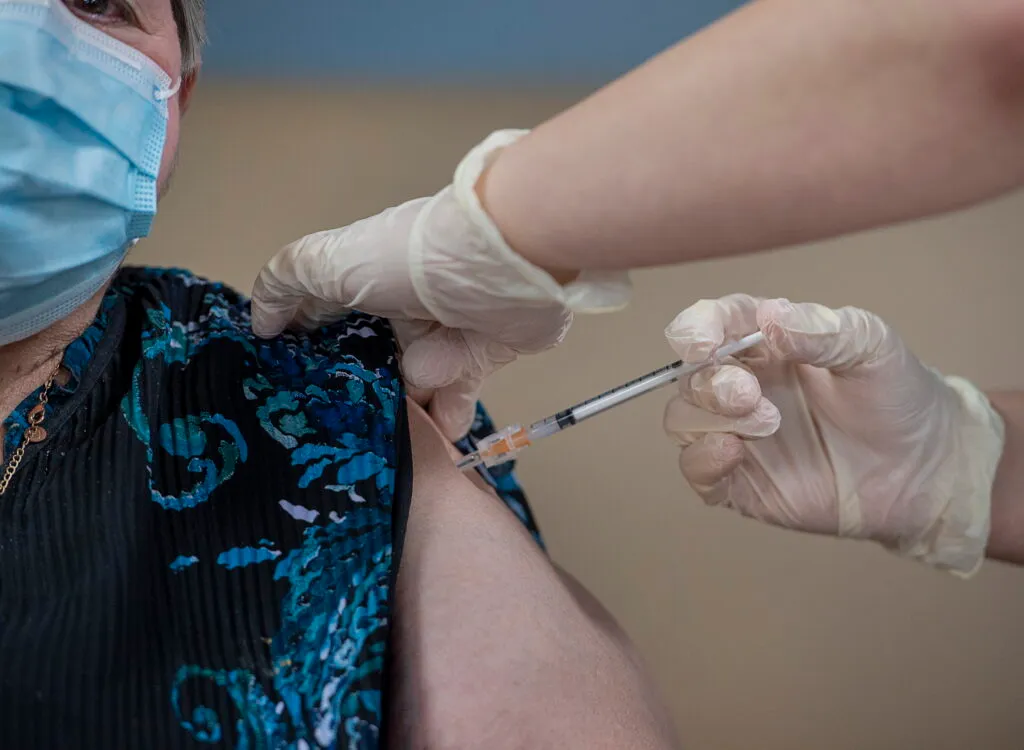
 Foto ilustrativă
The World Health Organisation (WHO) is sounding the alarm: one in ten patients worldwide suffers harm during the delivery of medical care, and approximately half of these incidents could be prevented. People living with non-communicable diseases face additional risks, as they require long-term treatment and come into frequent contact with the healthcare system.
This issue is at the heart of the 2026 World Patient Safety Day, which will be marked on 17 September under the slogan "Safe Care for Life!".
Chronic diseases responsible for 74% of deaths worldwide
This year's World Patient Safety Day is dedicated to people living with non-communicable diseases — a category that includes cardiovascular conditions, cancer, diabetes, and chronic respiratory diseases. According to the WHO, these diseases affect people of all ages, often require long-term treatment and monitoring, and represent one of the greatest public health challenges in the world, accounting for 74% of all deaths recorded globally. It is precisely the chronic nature of these conditions, combined with repeated contact with the healthcare system, that increases the risk of incidents or adverse events occurring in the course of care.
Up to one in three cancer patients affected by adverse events
The WHO highlights that, in the case of certain diseases, the risks can be considerable: up to one in three cancer patients experiences adverse events during treatment. The situation becomes even more complex when a person is simultaneously living with multiple chronic conditions, as treatments become more intricate and the patient often ends up being cared for by several specialists across multiple healthcare facilities. According to the WHO, the vulnerability of these patients is shaped both by the duration and complexity of their treatments and by shortcomings within health systems — including fragmented care, poverty, and discrimination, all of which limit access to safe medical services.
Risks arise throughout the entire healthcare journey
According to the WHO, harm does not occur solely during a treatment or procedure, but can arise at every stage of a patient's journey through the health system — from prevention and early detection through to diagnosis, treatment, and long-term disease management. These issues are not confined to hospitals: they can also occur in other healthcare settings, as well as in patients' homes and in the communities where they live. For this reason, the organisation is calling for coordinated measures to ensure safe care throughout the entire lives of people with non-communicable diseases.
What the WHO is calling for in patient safety
The 2026 campaign also places emphasis on strengthening health systems and supporting healthcare workers. The WHO considers the development of robust, integrated health services, the reinforcement of primary care, and the support of healthcare professionals to be essential. The organisation is likewise calling for the removal of barriers that prevent certain population groups from accessing safe medical services, and for greater patient involvement in decisions concerning their own care. According to the WHO, the lived experience of people with chronic diseases, alongside health education, can contribute to reducing risks and improving the quality of medical services.
How World Patient Safety Day will be marked
On 17 September 2026, landmarks, buildings, and public spaces in numerous countries will be lit up in orange, among them the Jet d'Eau in Geneva, illuminated by the WHO. Through this year's campaign, the organisation aims to mobilise authorities, health professionals, patients, and all those involved, in order to reduce the risks associated with caring for people living with non-communicable diseases.
Content paraphrased and adapted by SeniorHelp from verified public sources.
Original source: Realitatea →Previous article
Foot saved from amputation through a modern procedure for blocked arteries
Next article
Study: memory begins to deteriorate around the age of 50, not in old age
Similar news

VSR in the cold season: increased risk for the elderly and babies, doctors recommend vaccination
2 November 2026
Vaccines of the future: needle-free, personalised and developed with the help of artificial intelligence
2 November 2026

Respiratory infections on the rise in Sibiu: 441 pneumonia cases in one week
1 November 2026

How you drink your tea may affect your heart: what a study of nearly 500,000 people reveals
1 November 2026

Fatty liver detected on ultrasound: what the scan reveals and what it cannot determine
30 October 2026

Calf pain when walking may signal peripheral arterial disease
30 October 2026