
Physical activity during oncological treatment, supported by doctors
Adapted physical activity can reduce fatigue and support muscle strength during oncological treatment, SANADOR specialists show.
 Foto ilustrativă
Oncological treatment often comes hand in hand with pronounced fatigue, loss of muscle strength, and reduced exercise tolerance. The natural reaction might be to give up physical activity altogether, but specialists at SANADOR point out that, in most cases, this is not the most appropriate approach.
According to information published by SANADOR, physical activity undertaken during oncological treatment can help reduce fatigue, anxiety, and depressive states. At the same time, movement contributes to maintaining muscle strength and mobility, promotes better sleep, and overall leads to a higher quality of life.
It is important that the exercise programme be personalised, taking into account several factors: the type of cancer diagnosed, the treatment regimen being followed, the patient's level of physical activity prior to illness, and any side effects that may have occurred. Only in this way does physical activity remain safe and realistically adapted to each patient's capabilities.
What types of movement are recommended
This is not about demanding workouts. Movement can include walking, light strength exercises, mobility activities, or other forms of exertion adapted to the patient's condition.
There are, however, moments when intensity must be temporarily reduced — for example, during periods of severe anaemia, in the event of an infection, when pain is very intense, or following certain surgical procedures. The primary goal remains to maintain some form of physical activity throughout the duration of treatment, always in coordination with the oncologist and the medical team involved in the patient's care.
This material is part of an information series supported by SANADOR, available at www.sanador.ro.
Content paraphrased and adapted by SeniorHelp from verified public sources.
Original source: Realitatea →Previous article
Herniated Disc: Causes, Symptoms and Treatment Options, Including Surgical
Next article
Romania, 3rd in the EU for Poverty Risk: 27.4% of the Population Affected
Similar news
Vertebral Displacement and Its Effects on Mobility
5 November 2026

Four psychiatry organisations warn of medicine shortages in pharmacies
4 November 2026
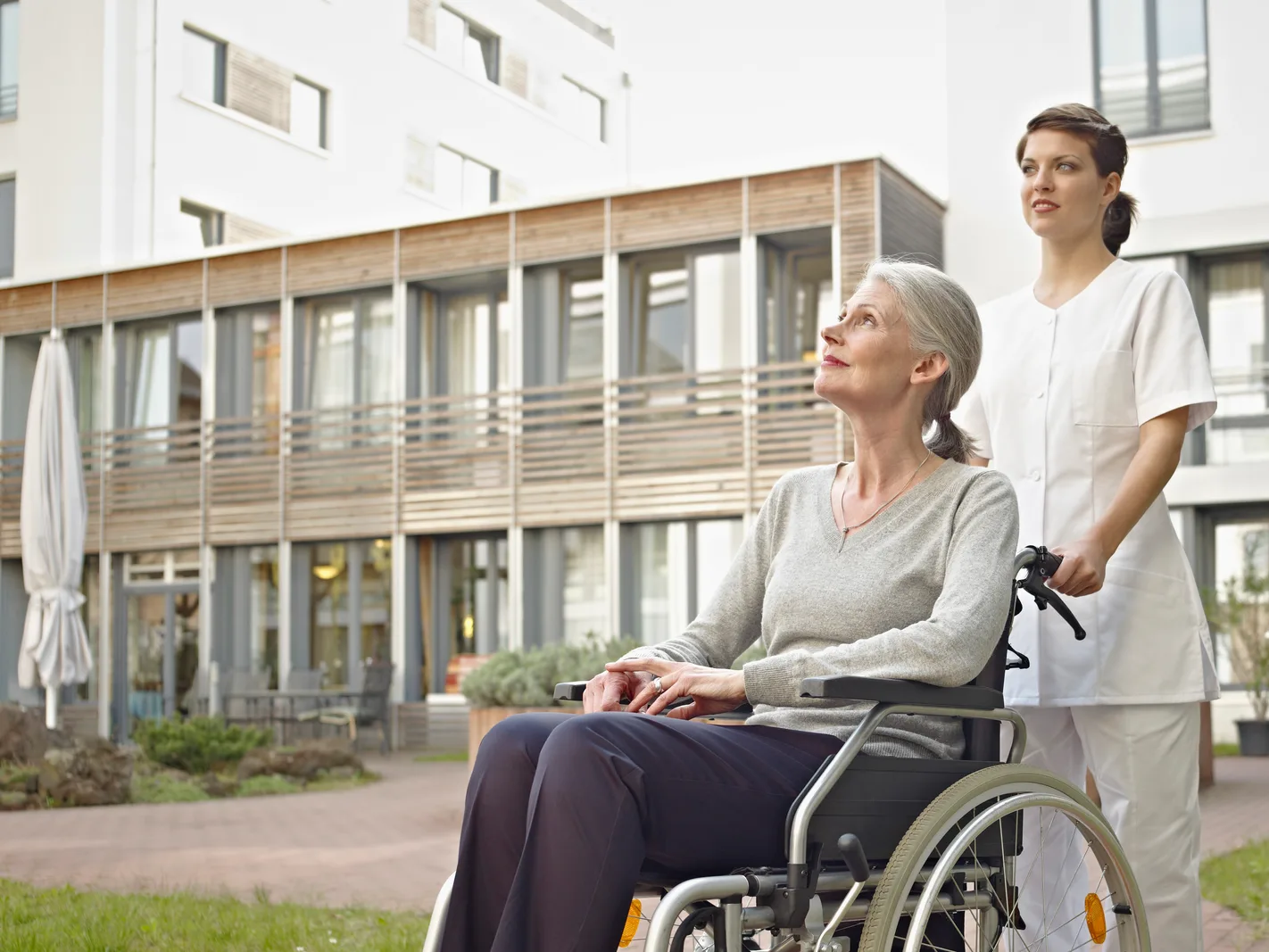 Foto ilustrativă
Mitral Stenosis: When the Narrowing of a Heart Valve Causes Fatigue and Shortness of Breath
4 November 2026

Dilated veins in the legs: what is their connection to pain and swelling of the calves
3 November 2026

Does Death Hurt? What Research Shows About the Final Moments of Life
3 November 2026
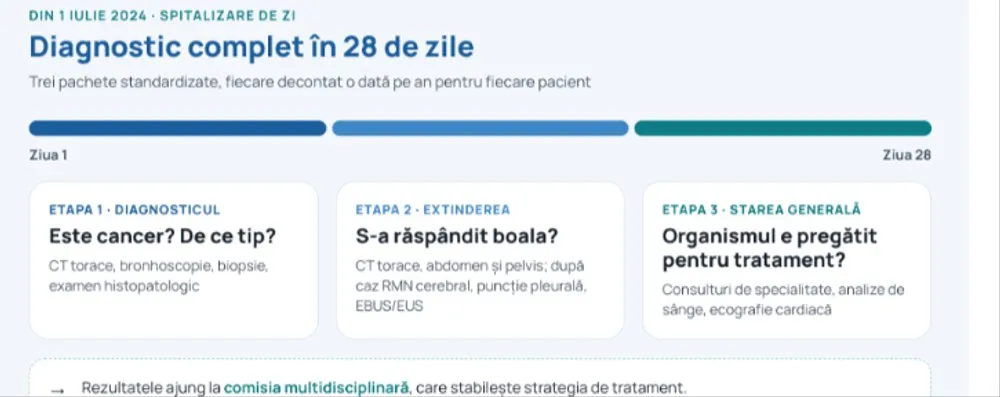
Lung cancer: the care pathway reimbursed by CNAS, from diagnosis to treatment
2 November 2026