
Government Analyses Minimum Wage Increase – Direct Impact on Pensioners and Older Adults
Debates over raising the minimum wage from 1 January 2026 could indirectly affect pensioners' incomes through its correlation with the pension system.

The Minister of Labour continues to advocate for an increase in the minimum wage for 2026, despite reservations expressed by Prime Minister Ilie Bolojan regarding the country's current economic situation. This decision could have significant repercussions for vulnerable groups, including pensioners and the elderly.
During tripartite negotiations at Government level, authorities examined the economic impact of a potential minimum wage rise. The arguments put forward include the need to combat in-work poverty and protect purchasing power in the context of rising inflation. Romania is among the EU countries with the highest poverty rates among the working population — a situation that indirectly affects families with retired members.
The minimum wage decision may also influence the pensions system, given that many social calculations are linked to these minimum thresholds. Approximately 2 million citizens are estimated to fall into the category of those directly affected by such a measure, which could produce knock-on effects throughout the entire social protection system.
The fiscal impact of a potential increase has been assessed as positive in the long term, with authorities estimating that the rise in purchasing power would generate additional revenue for the state budget through consumption tax. These additional resources could be channelled towards social protection systems, including improvements to services for older people.
Employers' organisations' reservations about this measure reflect concerns over the additional pressure placed on businesses during a difficult economic period. Nevertheless, supporters of the increase argue that maintaining the current level would further worsen the situation of vulnerable groups, including families caring for elderly members.
Content paraphrased and adapted by SeniorHelp from verified public sources.
Original source: Realitatea →Previous article
Employers' Associations Call for Minimum Wage to Remain at 4,050 RON – Impact on Pensioners
Next article
New Taxes and Levies from 2026: Major Impact on Pensioners and Property Owners
Similar news

New law: savings and investment accounts for retirement, based on the American 401(k) model
16 October 2026

Pensions indexed from 2027 and capped salaries: what the Niculescu Government's programme provides for
15 October 2026
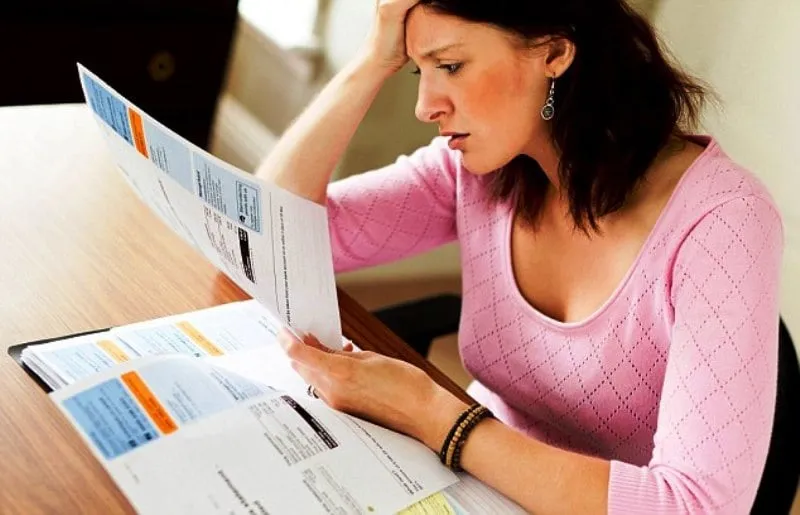
Niculescu Government promises extended energy bill support and gradual gas liberalisation
15 October 2026

AUR proposes retirement at 60 for people diagnosed with cancer
15 October 2026
College of Physicians calls for government reforms: on-call duties paid at 2017 salary levels
14 October 2026
 Foto ilustrativă
Patients with chronic illnesses warn they risk running out of treatments. Appeal to authorities
14 October 2026