
Flu, COVID-19, RSV: what American doctors recommend for the cold season
Medical organisations in the USA have published vaccination recommendations for influenza, COVID-19, and RSV, with a focus on elderly people, pregnant women, and individuals with chronic illnesses.
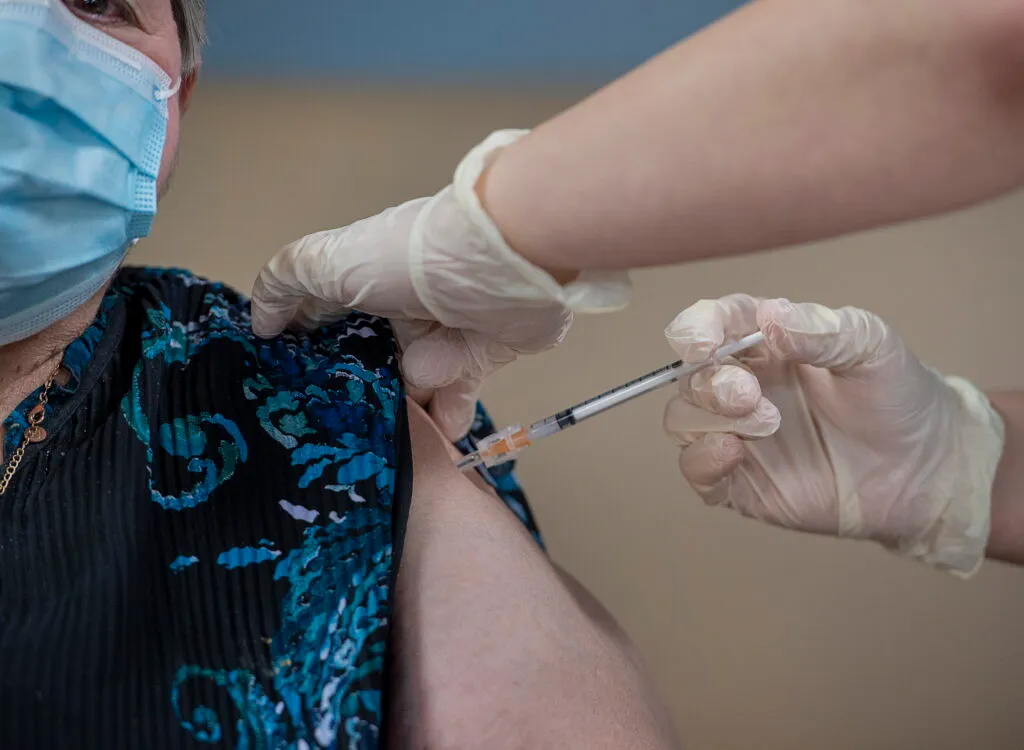
Several major medical organisations in the United States have issued updated recommendations on vaccination against influenza, COVID-19, and respiratory syncytial virus (RSV), ahead of the approaching cold season. Flu vaccination has already begun, and the new COVID vaccines are arriving in pharmacies following the approval of updated variants last week by the Food and Drug Administration (FDA), according to Associated Press.
RSV, the virus that typically causes cold-like symptoms, can lead to severe illness in infants, older adults, and people with weakened immune systems.
Recommendations diverging from federal guidelines
The guidelines were published by the American Academy of Paediatrics, the American Academy of Family Physicians, the American College of Obstetricians and Gynaecologists, and the Infectious Diseases Society of America. This comes after the Trump administration, over the past year, scaled back a number of previous recommendations made by the Centres for Disease Control and Prevention (CDC) regarding vaccination against respiratory viruses and routine childhood immunisation.
Flu vaccine from six months of age
The medical organisations recommend the flu vaccine for nearly everyone aged six months and older, with particular emphasis on those over 65, pregnant women, young children, people with chronic conditions (such as asthma, diabetes, and cardiovascular disease), and those with weakened immune systems.
The last two flu seasons in the US were unusually severe, with a large number of deaths among children, the majority of whom were unvaccinated. According to an analysis by the Vaccine Integrity Project (University of Minnesota), vaccination reduced flu-related hospitalisations among older adults by 31%.
An mRNA-based flu vaccine
For older adults, three flu vaccine formulations offering a stronger immune response are available and recommended as the preferred options, though doctors stress that vaccination should not be delayed if these are unavailable.
This year brings something new for those aged 50 and over: the first flu vaccine based on mRNA technology — the same technology used in some COVID-19 vaccines. This is mFlusiva, manufactured by Moderna and recently approved by the FDA. A study found it was 27% more effective at preventing symptomatic influenza in people aged 50 to 64, compared with a standard flu vaccine.
For those who prefer an alternative to injection, the nasal spray vaccine FluMist is available for people aged 2 to 49 who meet certain medical criteria.
COVID-19 vaccine recommendations
The FDA has officially approved this season's COVID-19 vaccines only for people aged 65 and over, as well as for younger individuals with conditions that increase the risk of severe illness. However, the American Academy of Family Physicians recommends vaccination for all adults, with priority given to older adults and those with risk factors.
People aged 65 and over are advised to receive one dose this autumn and another six months later, as protection wanes over time.
For children, the American Academy of Paediatrics recommends vaccination for those aged six to 23 months, as well as for older children at higher risk of complications, whilst also supporting vaccination for any child whose parents wish it.
Obstetricians and gynaecologists recommend vaccination during pregnancy as well, noting that data from millions of doses administered show no increased risk of miscarriage or other pregnancy complications.
The available vaccines are produced by Moderna and Pfizer (mRNA technology), whilst those who prefer a different technology may opt for the Novavax/Sanofi variant. According to the Vaccine Integrity Project, COVID-19 vaccines administered during the previous season reduced the risk of hospitalisation among older adults by 53%.
The best time to get vaccinated
For flu, October is considered the ideal time, as the virus spreads more intensively from November onwards. For COVID-19, case numbers can rise both at the end of summer and after the winter holidays; doctors recommend getting vaccinated a few weeks before travel or an important event, to allow the body sufficient time to build protection.
The common side effects of flu and COVID-19 vaccines are generally mild and short-lived: pain at the injection site, fatigue, headache, muscle aches, and mild fever.
Protection against RSV
RSV circulates mainly in autumn, winter, and early spring. Family doctors in the US recommend a single dose of the RSV vaccine for people aged 75 and over, for those aged 50 to 74 who are at higher risk, and for younger people with weakened immune systems.
Vaccination is also recommended in the later stages of pregnancy, so that the mother's antibodies can protect the newborn during the first months of life, should the baby be born during the virus's circulation season. For infants whose mothers were not vaccinated during pregnancy, as well as for some high-risk children, paediatricians recommend a preventive antibody treatment that provides protection against severe forms of the disease.
Content paraphrased and adapted by SeniorHelp from verified public sources.
Original source: Mediafax →Previous article
Epidemiologist: Romania must prepare for mosquito-borne tropical diseases
Next article
Only 1% of healthcare funding goes towards prevention, despite everyone claiming it's a priority
Similar news

A 30-minute warm bath could lower blood pressure more than moderate exercise
18 October 2026

Artificial intelligence could predict headaches 24 hours in advance
18 October 2026
 Foto ilustrativă
Migraine: how to recognise it and how it differs from an ordinary headache
18 October 2026

Losing a loved one increases the risk of heart attack 21 times in the first 24 hours
17 October 2026
Can protein drinks replace a meal? What a nutritionist says
17 October 2026

What happens in the body during deep sleep: the connection between the brain, muscles and fat
17 October 2026