
General Strike in Healthcare from 28 July: most investigations and operations postponed
SANITAS announces a warning strike on 20 July and a general strike from 28 July. Approximately 66% of hospital activity will be suspended, with patients advised to reschedule their procedures.
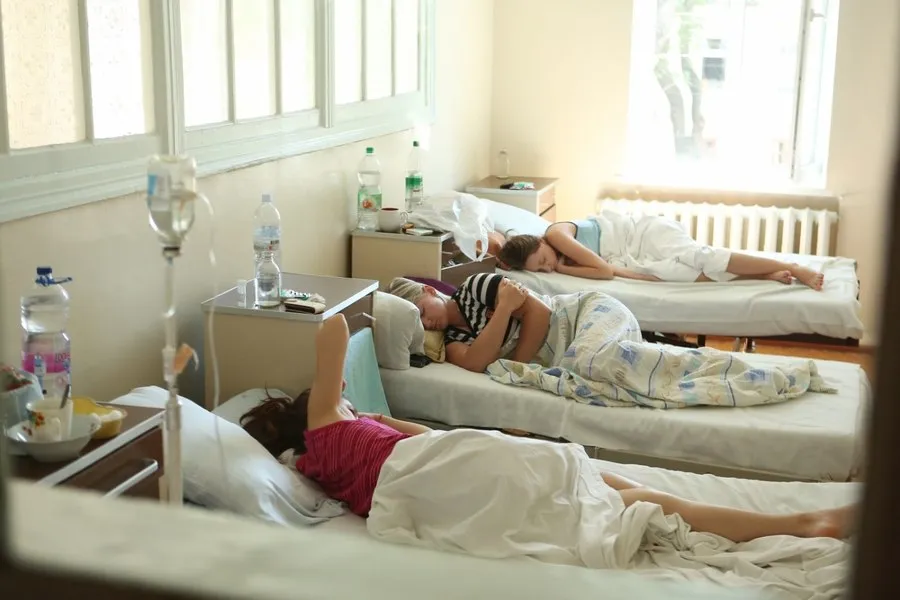
Romania's healthcare system is bracing for a major industrial dispute that risks affecting thousands of patients with scheduled investigations and treatments. Vasile Barbu, President of the National Association for Patient Protection, explained to "Adevărul" that delays caused by the strike could turn seemingly minor conditions into medical emergencies, yet he urges patients to support the healthcare workers' protest, which he views as a fight for patient safety as well.
As part of the industrial dispute declared by the SANITAS Federation, a warning strike has been set for 20 July, to be followed by a general strike beginning on 28 July.
According to SANITAS Vice-President Răzvan Gae, during this period only services that are life-critical will remain operational, such as accident and emergency units and intensive care wards. Scheduled procedures and non-urgent activities will be postponed. In practice, approximately 66% of hospital activity will be suspended, which is why patients are advised to reschedule their procedures for a later date.
The decision to proceed with the strike was taken after talks with the Ministry of Labour and the Ministry of Health yielded no concrete results, with union representatives stating they had received no official response to their submitted demands.
Risks to patients
Vasile Barbu highlighted that the strike will have direct consequences particularly for patients already undergoing medical investigations. "Patients who were in the midst of investigations for conditions requiring multiple stages of clinical and paraclinical evaluation will be forced to interrupt this process, and if the strike is prolonged, they will have to start all over again. This could result in the loss of an opportunity for early diagnosis and timely treatment, with the risk of their condition deteriorating," he stated.
He cited conditions such as pneumonia and infectious digestive diseases as examples — conditions that, while not initially appearing urgent, can progress to serious complications within just two to three days if not treated promptly.
A crisis that predates the strike
Barbu emphasised that the healthcare system is already facing a deep crisis, entirely separate from the strike, driven primarily by a severe shortage of staff. Hospital managers submitted a memorandum requesting approval to hire additional medical personnel, yet the Ministry of Health approved fewer than one third of these requests.
"Every day we face situations in which patients with serious conditions are forced to wait days on end to be diagnosed and treated (...) All of this gravely undermines patient safety, especially since certain conditions require early and extremely careful management. Under the current crisis conditions, patients are suffering even without a strike," the association's president explained.
In his view, the healthcare workers' protest is not merely about pay demands, but also a fight to increase hospitals' capacity to cope with a growing number of patients. "Patients must understand that the doctors' protest is, at its core, their protest too, and that supporting this initiative is essential to compel the authorities to intervene and prioritise both budgetary efforts and the provision of the resources the healthcare system needs," Vasile Barbu added.
What SANITAS is demanding
The SANITAS Federation is calling on the Government to take several concrete measures:
- Restoration of the salary rights set out in the Collective Labour Agreement
- Cancellation of the cuts to bonuses and additional annual leave days
- Non-discriminatory access to the meal allowance and holiday vouchers, regardless of the cap introduced under Law no. 141/2025
With regard to the draft pay legislation, the union is calling for the resumption of genuine dialogue with the authorities and for:
- Appropriate pay coefficients to be established for health and social care staff
- Retention of the shift allowance at 15%
- Retention of the 100% supplement for work at weekends and on public holidays
- Reintroduction of the working conditions allowance
- Inclusion of administrative, technical, economic, and social (TESA) staff within the same pay schedule annex
- Alignment of social care salaries with those in the non-clinical healthcare sector
SANITAS leaders have warned that if the pay legislation is adopted in its current form, the healthcare system risks a rapid exodus of staff, with current staffing levels already at an alert threshold, close to the minimum required for the system to function.
In the absence of a concrete response from the authorities, union representatives have confirmed that the general strike will begin on the announced date, and patients are advised to reschedule any procedures falling within the period of the industrial dispute. It remains to be seen whether the authorities will respond to the unions' demands before 28 July, or whether the healthcare system will enter a prolonged conflict with direct consequences for patients' access to medical services.
Content paraphrased and adapted by SeniorHelp from verified public sources.
Original source: Adevărul →Previous article
How the Epstein-Barr virus triggers multiple sclerosis: the mechanism discovered by researchers
Next article
PNRR: The Government has completed the plan revision and is preparing Payment Request No. 5, worth 2 billion euros
Similar news

New law: savings and investment accounts for retirement, based on the American 401(k) model
16 October 2026

Pensions indexed from 2027 and capped salaries: what the Niculescu Government's programme provides for
15 October 2026

Niculescu Government promises extended energy bill support and gradual gas liberalisation
15 October 2026

AUR proposes retirement at 60 for people diagnosed with cancer
15 October 2026
College of Physicians calls for government reforms: on-call duties paid at 2017 salary levels
14 October 2026
 Foto ilustrativă
Patients with chronic illnesses warn they risk running out of treatments. Appeal to authorities
14 October 2026