
Former DNA Chief, Criticism of Magistrates' Pension Reform and Revelations About the Judicial System
Călin Nistor, former DNA chief prosecutor, criticises the Bolojan Government's magistrates' pension reform and speaks about staffing problems in the justice system.

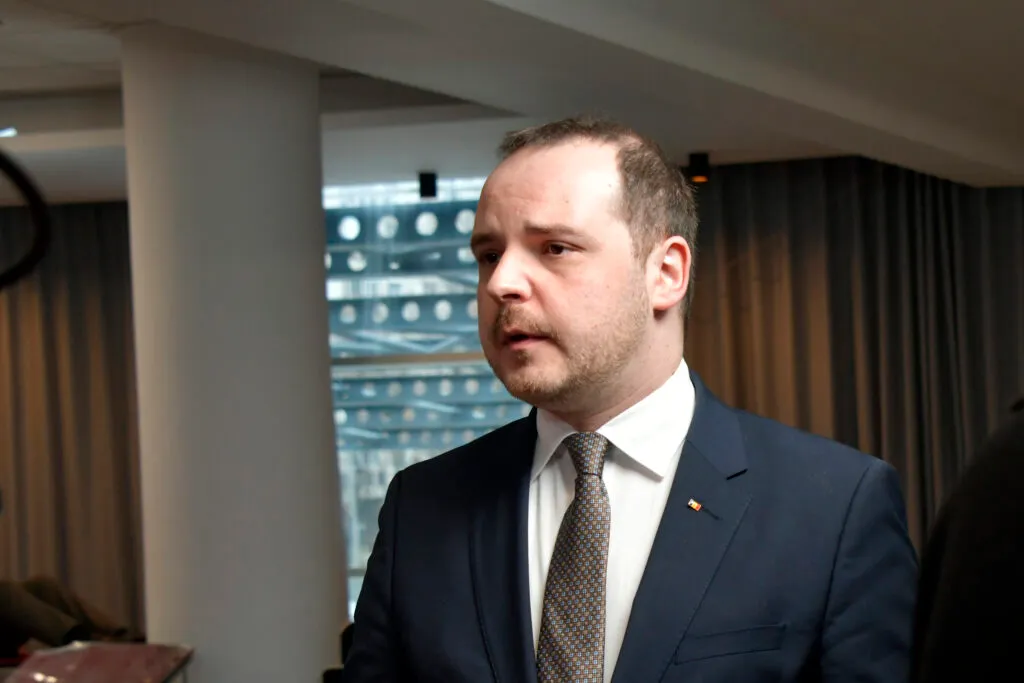
Călin Nistor, former chief prosecutor of the National Anti-Corruption Directorate (DNA), gave an interview on the OFF The Record programme on Mediafax, in which he addressed several topics related to the functioning of Romania's judicial system, including the reform of magistrates' pensions, the independence of judges and prosecutors, and the structural problems facing its institutions.
The main problems within the judicial system
When asked what he considered to be the three most important problems facing Romanian justice, Nistor highlighted staffing shortages as his primary concern.
"I think the most important problem is the staffing issue. I believe that, in some cases, the staffing structures are undersized, and the deficit within the current structures is quite significant. Then there is the matter of space. And I think there are sometimes issues relating to professional training in certain types of cases," said Călin Nistor.
Criticism of the magistrates' pension reform
The former DNA chief criticised the Bolojan Government's decision to modify magistrates' special pensions, saying he could not understand why this issue had become a priority for the Executive. According to Nistor, there had already been previous attempts to change these special pensions, and he believes they were, at a certain point, "a deliberate policy to get rid of certain magistrates".
The reform of magistrates' pensions has been adopted as a key milestone under the PNRR and stipulates that magistrates entitled to special pensions will receive 70% of their last net salary, compared to the current level of 80% of their last gross salary, which remains in effect until the end of the year.
On the independence of magistrates and the relationship with Lia Savonea
Regarding the independence of judges and prosecutors, Nistor stated: "Now, under normal circumstances, magistrates, judges and prosecutors have sufficient statutory guarantees of independence, even with regard to their rulings. You can be captured if you choose to be, but if you do not, the legal framework allows you to be quite independent."
When asked whether, during his tenure at the DNA, he had felt any influence from Lia Savonea, President of the High Court of Cassation and Justice, the former chief prosecutor replied: "Mrs Savonea was President of the CSM in 2019. I never spoke with her. We never had any conversations — she never called me, and we never actually met."
Content paraphrased and adapted by SeniorHelp from verified public sources.
Original source: Mediafax →Previous article
Pensions and salaries could remain frozen in 2027 as well, due to public debt
Next article
Prolonged Sitting Without Breaks Linked to Higher Cancer Death Risk
Similar news

Pension indexation in 2027: three options under discussion – 5%, 7.3% or 10%
18 October 2026
Rogobete proposes eliminating health insurance contributions for mothers on maternity leave and war veterans
17 October 2026

New law: savings and investment accounts for retirement, based on the American 401(k) model
16 October 2026

Pensions indexed from 2027 and capped salaries: what the Niculescu Government's programme provides for
15 October 2026

Niculescu Government promises extended energy bill support and gradual gas liberalisation
15 October 2026

AUR proposes retirement at 60 for people diagnosed with cancer
15 October 2026