
Why You Wake Up at Night: 3 Evening Habits That Fragment Your Sleep
Specialists explain which meal, coffee and alcohol scheduling rules prevent night-time waking, and when such episodes become a sign of illness.
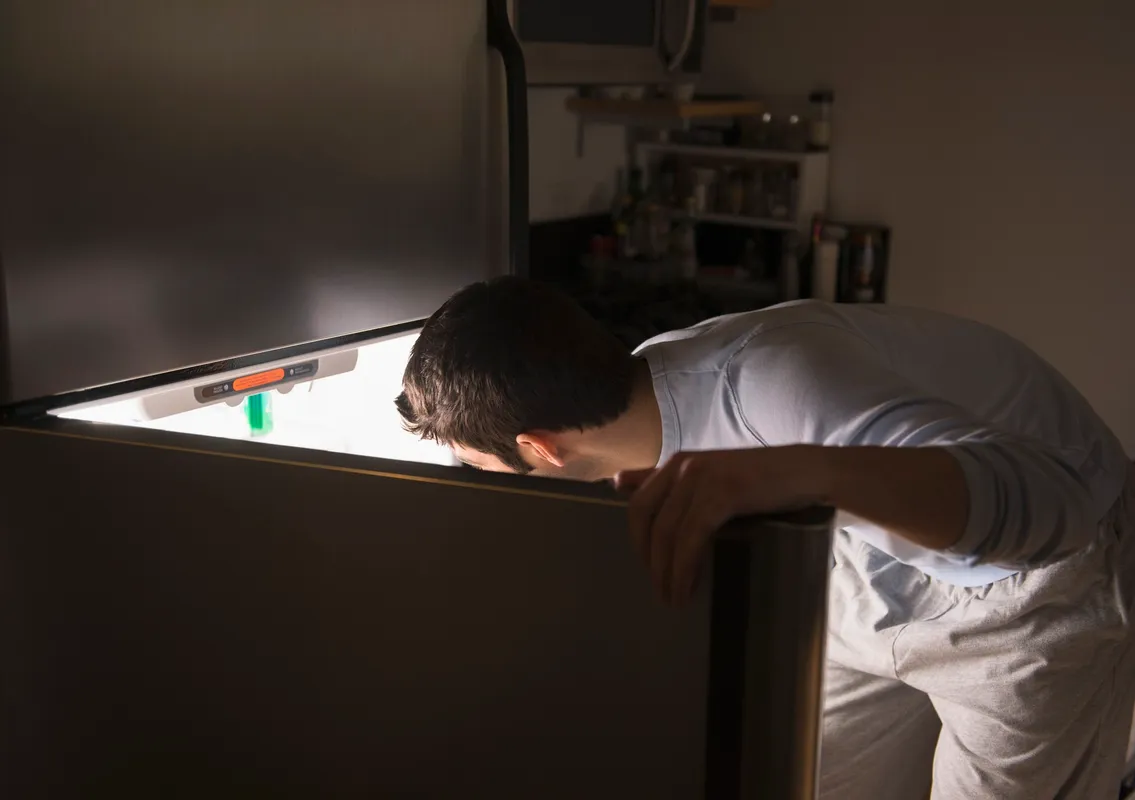
 Foto ilustrativă
More and more people are experiencing the same unpleasant scenario: they suddenly wake up at 2:00 or 3:00 in the morning and lie awake for dozens of minutes, unable to fall back asleep. A healthy adult needs 7 to 9 hours of uninterrupted sleep for the body to recover, and fragmented sleep affects concentration, mood, and energy levels throughout the day.
Specialists warn that, in most cases, the cause is not a serious illness, but rather three common mistakes made right before bedtime.
Three time intervals to observe in the evening
Nutritionists and sleep specialists recommend observing strict gaps between certain habits and bedtime:
- A 3-hour food break: heavy meals eaten late at night can trigger gastro-oesophageal reflux when lying down. Up to 75% of people with digestive problems experience night-time awakenings caused by heartburn or abdominal discomfort.
- A 6-hour caffeine barrier: a coffee consumed at 4:00 pm is still active in the body at 10:00 pm. Caffeine reduces sleep depth and accelerates early waking.
- A 4-hour limit for alcohol: even though a glass of wine may feel relaxing, alcohol metabolised around midnight disrupts the deep sleep phase and can cause dehydration and repeated brief awakenings.
Room temperature and screen light
Brief awakenings lasting a few seconds are a normal occurrence during the night, but environmental factors can turn them into prolonged insomnia. The World Health Organisation recommends a bedroom temperature of 18 degrees Celsius – a room that is too warm prevents the natural drop in body temperature that is necessary for deep sleep.
Likewise, the blue light emitted by phones or televisions blocks the production of melatonin, the hormone that regulates sleep. A more suitable option in the evening is ambient red light, with a wavelength above 620 nm – the only type that does not interfere with the signals sent to the brain to induce sleep.
When night-time awakenings may indicate a medical problem
If changing these habits brings no improvement, repeated awakenings may be a sign of conditions requiring medical evaluation:
- Chronic insomnia: diagnosed when a person is unable to fall back asleep within 20–30 minutes, on at least 3 nights per week, for a minimum of 3 months. Women are significantly more affected than men.
- Sleep apnoea (OSAS): the cessation of breathing during sleep for more than 10 seconds. It affects nearly 10% of men aged between 40 and 60, and requires urgent medical treatment.
- Restless legs syndrome: a neurological disorder affecting up to 10% of the population, characterised by an uncontrollable urge to move the legs during rest.
If night-time awakenings persist despite adjusting your meal schedule, caffeine and alcohol intake, and bedroom conditions, it is advisable to speak with a doctor to determine whether there is an underlying medical cause requiring treatment.
Content paraphrased and adapted by SeniorHelp from verified public sources.
Original source: Realitatea →Previous article
An AI algorithm interprets an ECG in under 2 seconds and detects heart disease
Next article
Traditional Romanian food and calories: how many do mici, sarmale, and papanași actually contain
Similar news

Artificial intelligence can estimate cancer survival chances from a selfie
20 October 2026
 Foto ilustrativă
Flu vaccines delayed: over 350,000 doses to reach pharmacies by the end of the week
19 October 2026

At 86, Two Serious Cardiovascular Conditions Discovered by Chance
19 October 2026

What is the ideal sleep duration? Researchers have calculated it precisely, in hours and minutes
19 October 2026
Late-night eating linked to increased risk of fatty liver disease and cirrhosis, study shows
19 October 2026

The heart has its own "mini-brain": what a recent study has discovered about its neuronal network
19 October 2026