
Advanced prostate cancer: how treatment is adapted as the disease progresses
When prostate cancer advances or recurs, doctors combine several therapies, tailored to the stage of the disease and the patient's profile.
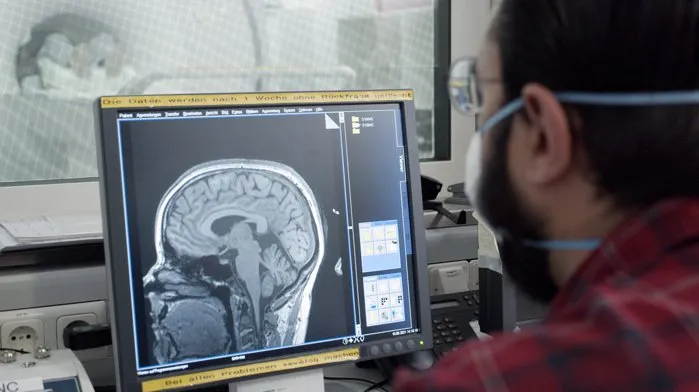
 Foto ilustrativă
There are situations in which oncological disease progresses beyond a localised stage in the prostate or recurs following initial treatment. In such cases, the goal is no longer to choose a single treatment method, but to combine several therapies so that the progression of the cancer can be kept under control as effectively as possible.
Advanced prostate cancer may initially respond to hormonal treatment, but over time it can become resistant to testosterone reduction. The therapeutic plan for this form of the disease may include several components: androgen deprivation therapy, medications that more effectively block hormonal signals, chemotherapy, radiotherapy, or targeted treatments. The order in which these options are combined and administered depends on several factors: the extent of the disease, how rapidly it is progressing, what treatments the patient has previously received, the patient's general state of health, and the biological characteristics of the tumour.
A useful tool in establishing the treatment strategy is the PSMA PET-CT scan, which can precisely identify the areas to which the disease has spread and whether the tumour cells express the PSMA target. In patients in whom this marker is present, the information obtained may make it possible to administer lutetium-177 therapy – a treatment that directs radiation specifically towards cells expressing PSMA. Furthermore, molecular testing of the tumour can detect certain genetic alterations for which specific targeted therapies are available.
Article supported by SANADOR.
Content paraphrased and adapted by SeniorHelp from verified public sources.
Original source: Realitatea →Previous article
USA: first deaths from cyclosporiasis outbreak, possibly linked to iceberg lettuce
Next article
Air conditioning during a heatwave: what temperature is recommended in the bedroom at night
Similar news
Nearly 300,000 Romanians have dementia, and the number could reach 400,000 by 2050
22 September 2026

Study: REM sleep linked to lower risk for dozens of diseases
22 September 2026
 Foto ilustrativă
Herniated Disc: Causes, Symptoms and Treatment Options, Including Surgical
21 September 2026
 Foto ilustrativă
Physical activity during oncological treatment, supported by doctors
21 September 2026

Why movement remains important during oncological treatment
21 September 2026

Cambridge Study: Reading for Pleasure Benefits Mental Health and Reduces the Risk of Dementia
20 September 2026