
Researchers have created a "mini lens" in the laboratory that could help in the fight against cataracts
Scientists have created a mini lens resembling the human crystalline lens from stem cells, marking an important step towards understanding and treating cataracts, which affect 94 million people.
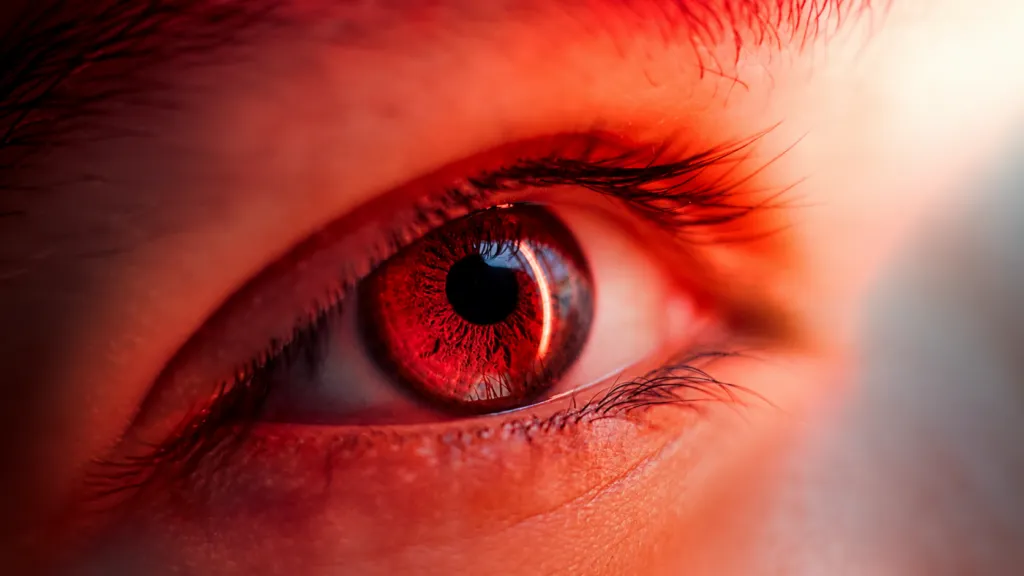
A group of researchers has succeeded in producing an artificial human lens in the laboratory that closely resembles the natural one, potentially opening up new avenues for treating cataracts — an eye condition that ranks among the leading causes of blindness worldwide.
The discovery was made by specialists at Anglia Ruskin University (ARU), working in collaboration with colleagues from Osaka University (Japan) and Cardiff University. This is the first time such a "mini-lens" has been produced using human stem cells.
Why cataracts matter
Cataracts are one of the leading causes of vision loss and blindness worldwide. The condition is estimated to affect approximately 94 million people. At present, surgery is the only available treatment.
How the mini-lenses were created
For this experiment, the researchers began with human induced pluripotent stem cells (iPSCs) — adult cells that have been reprogrammed to revert to a state similar to that of stem cells. The team then developed a culturing method that prompted these cells to self-organise into structures resembling the natural lens.
Another notable finding of the study is that the cells within these mini-lenses are capable of generating new lens-like structures, suggesting that the system may be able to replicate, at least in part, the natural regenerative processes involved in lens development.
An important step forward in studying eye disease
The study's lead author, Barbara Pierscionek, stated: "As the technology develops, these laboratory-grown tissues could help us test new drugs, improve our understanding of conditions that affect vision, and may contribute to the development of future regenerative treatments."
She added: "This is a significant step forward, as it is extremely difficult to obtain and study human lens tissue whilst it is still developing. We have now successfully grown miniature human lens tissue from stem cells in the laboratory and identified the conditions required for it to closely resemble a natural human lens."
This information was sourced from Medical Express.
Content paraphrased and adapted by SeniorHelp from verified public sources.
Original source: Mediafax →Previous article
Five sleep habits recommended by experts for a longer life
Next article
Rogobete promises payment of on-call shifts for first-year residents in training
Similar news

Why Dark Circles Appear Even After Enough Sleep: Causes, Types and Solutions
7 November 2026

Five sleep habits recommended by experts for a longer life
6 November 2026

Indoor air can be more polluted than outdoor air: causes and simple solutions
5 November 2026
Why Liver and Pancreas Operations Are Complex
5 November 2026

Vertebral Displacement and Its Effects on Mobility
5 November 2026

Four psychiatry organisations warn of medicine shortages in pharmacies
4 November 2026