
Men and women age differently: at what ages do the most significant changes occur
A study of over 104,000 adults shows that men undergo major metabolic changes between the ages of 35 and 45, whilst women experience them between 55 and 65, during the menopause.

A study conducted in China shows that men and women undergo the ageing process at different rates, and the key moments of bodily change can be identified through routine medical tests.
The research was published in the journal Nature Aging and was carried out by specialists from the National Centre for Bioinformatics of China (CNCB), part of the Chinese Academy of Sciences (CAS), the CAS Institute of Zoology, Xuanwu Hospital of Capital Medical University, and other institutes, according to Agerpres.
The authors analysed medical data from more than 104,000 adults across China, aged between 18 and 98, tracking 172 common parameters such as weight, cholesterol, and blood glucose. Based on this information, the team constructed what are known as "ageing clocks", which indicate the periods during which the body undergoes its most visible changes over time.
Different milestones for men and women
In men, the most significant change was observed between the ages of 35 and 45. During this period, metabolism changed considerably: body mass index increased, as did levels of triglycerides and cholesterol.
In women, the turning point came later, between the ages of 55 and 65, coinciding with the menopause. This was accompanied by significant hormonal changes, an increase in body fat percentage, and rising cholesterol levels.
Nevertheless, as people grow older, the physical differences between men and women tend to diminish, even though their ageing trajectories had been distinct.
Blood substances linked to biological ageing
The study also found that certain substances in the blood — glucose, lipids, uric acid, as well as two tumour-associated markers known as CEA and HE4 — accumulate as we age and are correlated with accelerated biological ageing.
To verify this link, the researchers exposed human vascular cells in the laboratory to higher levels of these substances. The cells rapidly developed clear signs of senescence, suggesting that these factors are not merely passive indicators of ageing, but may actively contribute to the process.
Potentially reversible effects
The researchers also identified encouraging findings: some of the effects of ageing may be reversible. In one experiment, metformin, a drug commonly used in the treatment of diabetes, helped protect cells against damage caused by elevated glucose levels.
In another experiment, mice that were switched from a high-fat diet to a balanced, lower-fat diet showed visible improvements in liver ageing.
"This suggests that reducing metabolic stress — through dietary improvements or blood glucose control — could be a potential strategy for slowing ageing," said Xiong Muzhao, a researcher at CNCB.
According to the research team, reducing the age-related metabolic burden could represent a promising strategy for healthy ageing. Li Jiaming, also a researcher at CNCB, additionally highlighted the importance of medical assessments and interventions tailored specifically to each sex throughout the course of a person's life.
Content paraphrased and adapted by SeniorHelp from verified public sources.
Original source: Digi24 →Previous article
Insulin Resistance: Warning Signs and Foods That Help Control Blood Sugar Levels
Next article
Utility bills becoming increasingly difficult for Romanians to bear, experts warn
Similar news
 Foto ilustrativă
Flu vaccines delayed: over 350,000 doses to reach pharmacies by the end of the week
19 October 2026

At 86, Two Serious Cardiovascular Conditions Discovered by Chance
19 October 2026

What is the ideal sleep duration? Researchers have calculated it precisely, in hours and minutes
19 October 2026

Late-night eating linked to increased risk of fatty liver disease and cirrhosis, study shows
19 October 2026
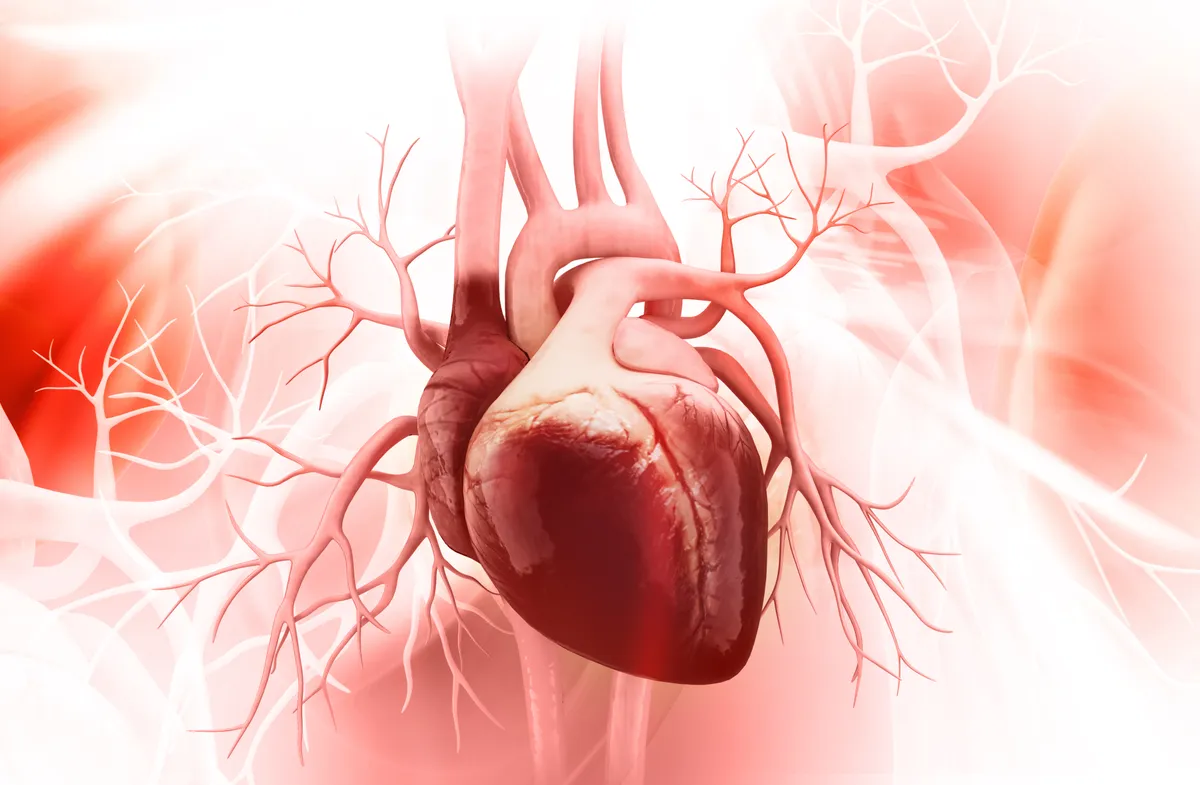
The heart has its own "mini-brain": what a recent study has discovered about its neuronal network
19 October 2026

Mihaela Bilic: why we eat in the evening and when it becomes a problem
18 October 2026