
Patient Associations Write to Bolojan: "A Medicine That's Only Accessible on Paper Treats No One"
Several patient associations have urged Prime Minister Ilie Bolojan not to restrict access to innovative treatments on budgetary grounds, warning of the risk of supply disruptions.
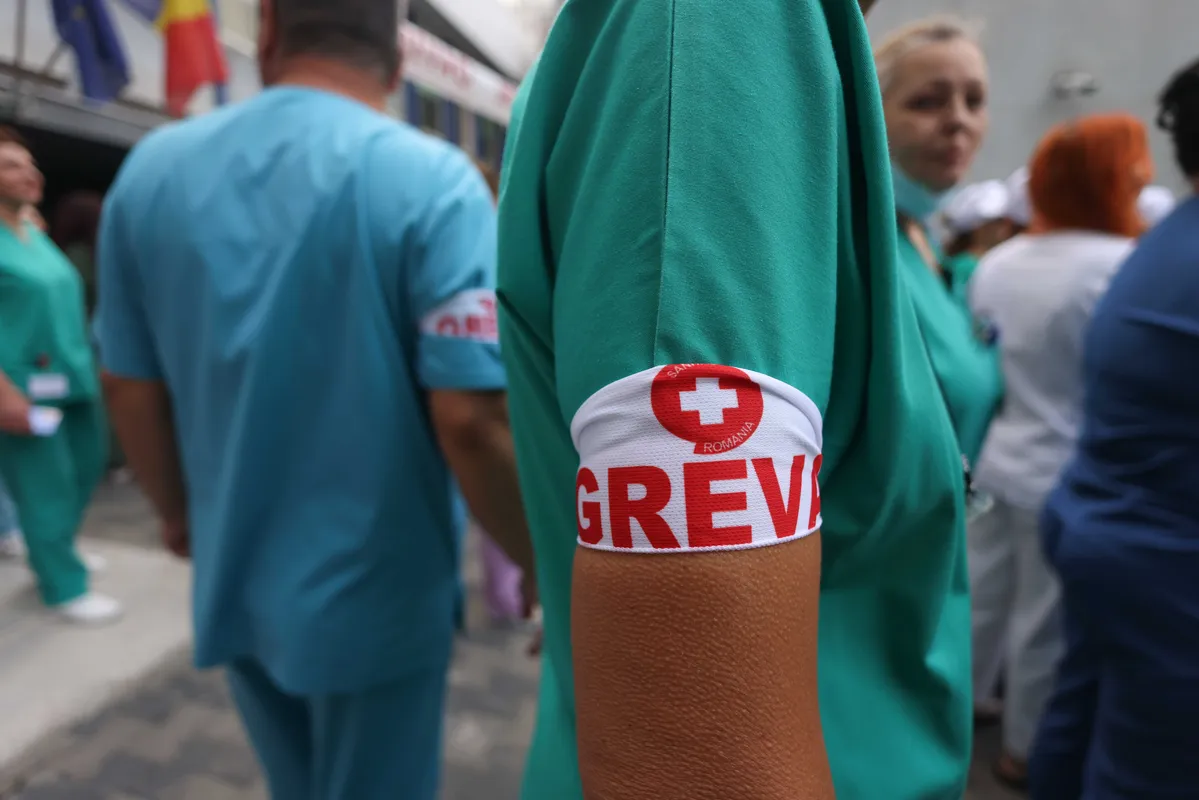
Several patient associations sent an open letter on Thursday to interim Prime Minister Ilie Bolojan, calling for decisions on medicines policy to take into account patients' actual access to treatments, not just budgetary costs. The organisations were responding to a recent statement by the Prime Minister, who had suggested replacing an expensive medicine with one or two generics, including those manufactured in Romania, with similar effects.
The associations acknowledge that it is reasonable for the state to compare costs and support generics where these are available, indicated, and can ensure continuity of treatment. However, they caution that not all innovative medicines have generic or biosimilar equivalents. "A medicine that is accessible only on paper treats no one," the letter states.
"Will the medicine be available when the patient needs it?"
The organisations emphasise that any discussion about the cost of a treatment must also include its actual availability in pharmacies and hospitals: "The question is not only 'how much does a medicine cost?' but also 'will it be available in the pharmacy and in the hospital, continuously, when the patient needs it?'"
According to the letter, supply disruptions and market withdrawals represent a structural vulnerability of the healthcare system. The letter cites a study based on national data from the period 2017–2024, according to which shortage episodes preceded permanent market withdrawals by approximately two years on average — a phenomenon that also affects generic medicines and biosimilars.
The associations warn that repeatedly switching treatments due to market unavailability may force patients to search for their medicine across multiple pharmacies, interrupt their therapy, or be left without any options at all, and that apparent budgetary savings may subsequently generate higher costs through complications and hospitalisations. The situation is considered particularly serious for patients with rare diseases, for whom equivalent alternatives are not always available: "In their case, restricting access to an innovative medicine may, in practice, amount to denying them treatment altogether."
Lengthy reimbursement delays compared to the European average
The letter cites an analysis showing that the average time between a health technology assessment decision and actual reimbursement has increased from 273 days in the period 2020–2023 to over 450 days in 2024–2025. The number of indications awaiting reimbursement is said to have risen from 47 in 2022 to over 100 in 2026.
For therapies approved by the European Medicines Agency between 2021 and 2024, the average time to reimbursement was 1,110 days in Romania, compared to the European average of 597 days, according to the cited data. At the beginning of the year, fewer than one in five medicines was reimbursed, and no medicine authorised in 2023 or 2024 had yet reached reimbursement, according to an ARPIM analysis cited by the associations. They further note that even after a health technology assessment decision, the interval to actual reimbursement has grown from an average of 253 days in 2020–2023 to 447 days in 2024–2025.
"Sustainability cannot mean a patient wondering whether they will find their treatment"
The associations argue that Romania is already among the EU member states with high levels of mortality from preventable and treatable causes. They clarify that they are not calling for the unconditional reimbursement of all new or expensive medicines, but for evidence-based decisions that are transparently explained, along with policies to ensure the viability and availability of generic medicines on the market.
"Sustainability cannot mean a patient wondering, month after month, whether they will find their treatment or whether they will be forced to start over with another option," the letter states. "A healthcare system does not become more efficient when it saves money on paper but leaves patients without the treatment they depend on. It becomes more fragile and less humane," the organisations add, calling for the right treatment to be available on time and continuously for every patient.
Content paraphrased and adapted by SeniorHelp from verified public sources.
Original source: Digi24 →Previous article
Pensions Could Remain Frozen for the Third Year in a Row Due to Public Debt
Next article
Workshop Hi Digital: Bucharest seniors introduced to smartphone use
Similar news

New law: savings and investment accounts for retirement, based on the American 401(k) model
16 October 2026

Pensions indexed from 2027 and capped salaries: what the Niculescu Government's programme provides for
15 October 2026
Niculescu Government promises extended energy bill support and gradual gas liberalisation
15 October 2026

AUR proposes retirement at 60 for people diagnosed with cancer
15 October 2026
College of Physicians calls for government reforms: on-call duties paid at 2017 salary levels
14 October 2026
 Foto ilustrativă
Patients with chronic illnesses warn they risk running out of treatments. Appeal to authorities
14 October 2026