
Coronary Angioplasty: the procedure that unblocks the heart's arteries
Coronary angioplasty is a minimally invasive procedure that widens narrowed heart arteries, using a balloon catheter and, often, a stent.

When a coronary artery narrows, the amount of blood reaching the heart muscle decreases, which can cause angina. If the vessel becomes completely blocked, the result may be a myocardial infarction. The good news is that, in certain situations, blood flow can be restored without the need for conventional open-heart surgery.
How coronary angioplasty works
Coronary angioplasty is a minimally invasive procedure in which doctors insert a catheter fitted with a very small balloon, which is advanced to the section of the artery affected by the narrowing. The balloon is inflated to widen the blood vessel, and in most cases a stent is also implanted — a device that keeps the artery open in the long term. Access for this procedure is achieved through an artery located at the wrist or in the groin area.
When it is used and what follows
Angioplasty may be performed as an emergency procedure in the event of a heart attack, or as a planned procedure when a patient has certain forms of coronary artery disease. Once a stent has been implanted, antiplatelet therapy becomes essential to prevent the formation of blood clots. Ongoing management of cholesterol, blood pressure, and diabetes, as well as smoking cessation, also remain necessary. It is important to bear in mind that a stent addresses the localised narrowing of the artery, but does not eliminate atherosclerotic disease from the body.
Content paraphrased and adapted by SeniorHelp from verified public sources.
Original source: Realitatea →Previous article
Hot tea and coffee may increase the risk of oesophageal cancer, Oxford study finds
Next article
Natural Gas Reaches Its Highest Ever Price for September
Similar news

Indoor air can be more polluted than outdoor air: causes and simple solutions
5 November 2026
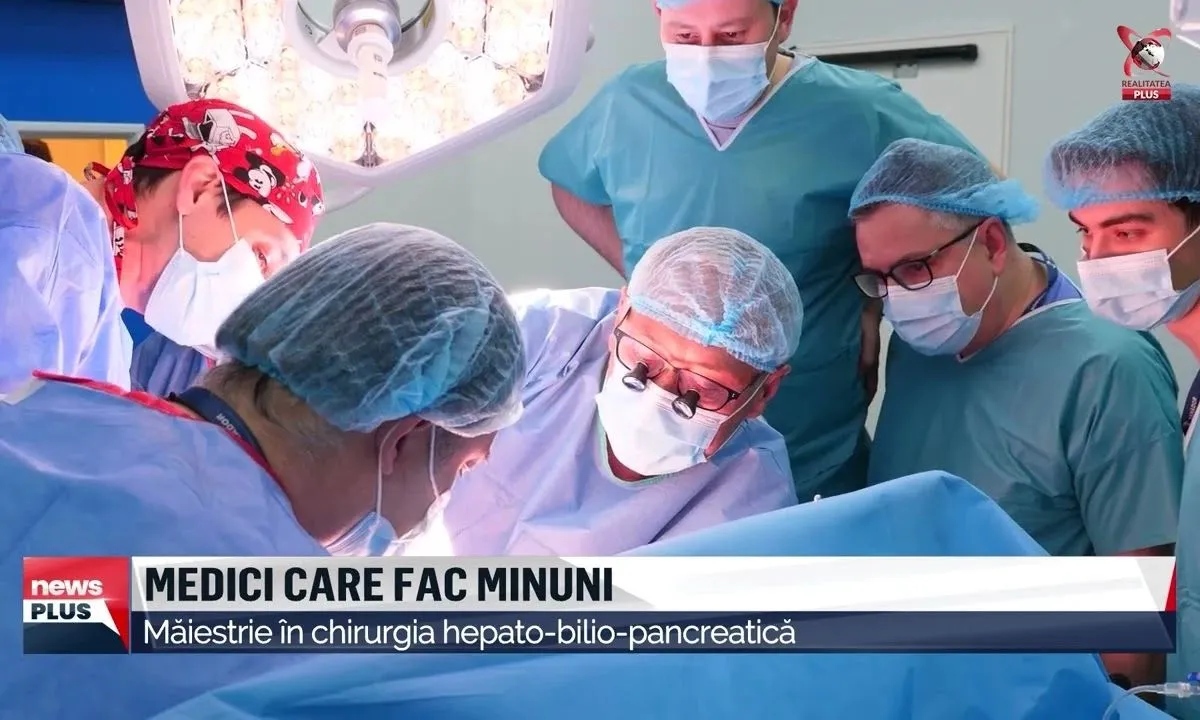
Why Liver and Pancreas Operations Are Complex
5 November 2026

Vertebral Displacement and Its Effects on Mobility
5 November 2026

Four psychiatry organisations warn of medicine shortages in pharmacies
4 November 2026
 Foto ilustrativă
Mitral Stenosis: When the Narrowing of a Heart Valve Causes Fatigue and Shortness of Breath
4 November 2026

Dilated veins in the legs: what is their connection to pain and swelling of the calves
3 November 2026