
Record fines for banks: 3.7 billion RON for ROBOR manipulation
The Competition Council sanctions 10 banks for coordinating their behaviour in setting ROBOR, directly affecting loan costs for pensioners and consumers.
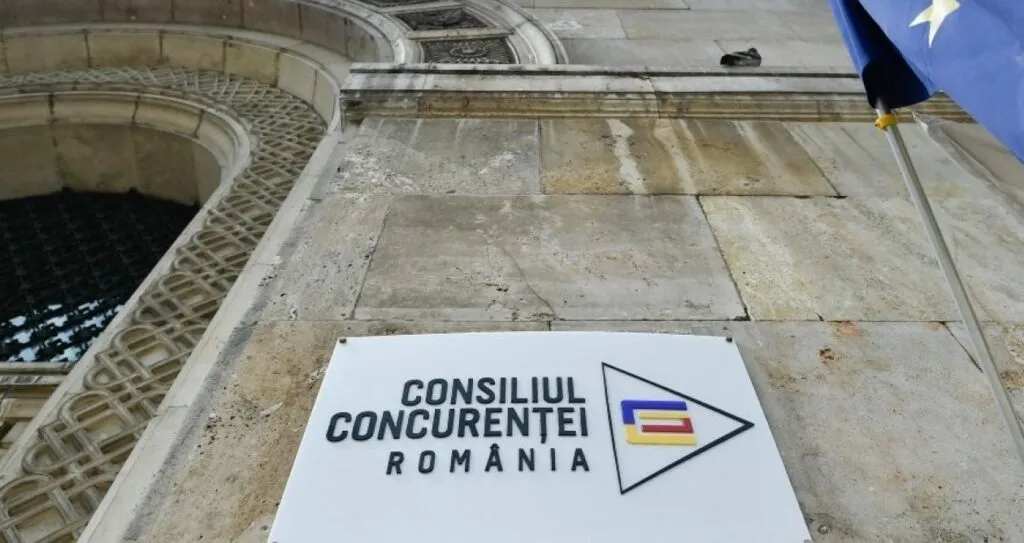
The Competition Council has imposed record fines totalling 3.73 billion RON on ten major banks in Romania for breaching competition rules by coordinating their behaviour in the process of setting the ROBOR index. This decision has a direct impact on loans taken out by millions of Romanians, including pensioners and elderly people.
The ROBOR index influences the calculation of interest rates on loans granted to individuals who took out borrowing before 2019 and have not requested a switch to the IRCC index. As such, the manipulation of this index has directly affected borrowing costs for numerous pensioners and senior citizens who hold mortgage or consumer loans.
Impact on senior citizens and pensioners
An artificially elevated ROBOR rate leads to higher interest charges on loans, meaning more costly monthly repayments for borrowers. Pensioners on fixed incomes are among the most vulnerable to these fluctuations, as they have a limited capacity to adapt to unexpected increases in borrowing costs.
The banks coordinated their quotations during the fixing period, behaviour deemed anti-competitive by the authorities. This is particularly significant for the 3-, 6-, and 12-month maturities, where the volume of actual transactions is low, making manipulation easier to carry out.
Sanctions imposed on banking institutions
The largest fines were levied against Banca Transilvania (875.74 million RON), BCR (577.36 million RON), and Raiffeisen Bank (442.49 million RON). The other sanctioned institutions include BRD, ING Bank, CEC Bank, UniCredit Bank, and others, with fines ranging between 28.1 and 431.03 million RON.
The banks have 60 days to submit action plans setting out how they will eliminate the anti-competitive practices identified. These plans will be assessed and approved by the Competition Council in order to prevent such behaviour from recurring in the future.
The investigation was launched at the end of 2022 and followed all legal procedures, including review by the European Commission. The final decision was taken unanimously by the Plenary of the Competition Council, underlining the seriousness of the conduct identified within the banking sector.
Content paraphrased and adapted by SeniorHelp from verified public sources.
Original source: Mediafax →Previous article
Expert: Pillar II cannot be nationalised - it would destroy confidence in the pension system
Next article
Competition Council fines banks 3.73 billion RON for ROBOR manipulation
Similar news
 Foto ilustrativă
Unemployment rose in August to 260,919 people, the majority aged over 55
25 September 2026

ROBOR at three months rose to 5.93%, the highest level in the past seven months
24 September 2026
 Foto ilustrativă
Nazare, after meeting with S&P: budget execution, the main argument for maintaining the rating
24 September 2026

Rising maintenance bills: pensioners fear the costs of this winter
24 September 2026
Alexandru Nazare: there is no risk to the payment of pensions and salaries at this time
24 September 2026

INSCOP Poll: over half of Romanians see no economic recovery; 61% among AUR voters
23 September 2026