
Adoption of the euro in Romania delayed by 5–7 years – impact on pensioners' savings and pensions
Mugur Isărescu estimates that Romania will adopt the euro only in 2030–2035, with high inflation continuing to erode pensioners' purchasing power in the meantime.
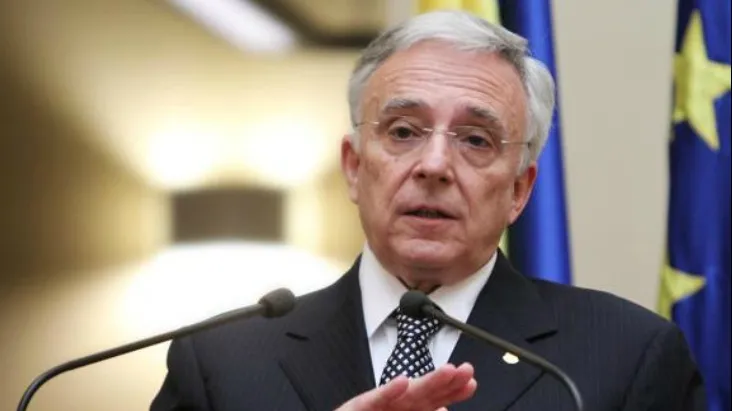
The Governor of the National Bank of Romania, Mugur Isărescu, has announced that the adoption of the euro will be delayed by a further 5–7 years, with a realistic implementation now estimated for the 2030–2035 period. This delay has direct implications for Romanian seniors and pensioners, who are already contending with an inflation rate far higher than the European average.
Since 2018, Romania has suspended official discussions on euro adoption due to its failure to meet the Maastricht criteria. All technical committees, including those responsible for distributing euro banknotes, have halted their work, despite the progress previously made in this area.
The impact of inflation on seniors
One of the greatest challenges facing Romanian pensioners is the inflation rate of 8.4% recorded in October 2024 — nearly 11 times higher than the 0.8% average of the EU's best-performing countries (Cyprus, France and Italy). This disparity significantly erodes the purchasing power of pensions and the savings of older people.
Romania currently fails to meet most of the required economic criteria: its budget deficit is estimated at 5.7% of GDP (above the 3% limit), long-term interest rates stand at 6%, and public debt sits at 57% of GDP and rising. These indicators undermine overall economic stability and, by extension, the financial security of seniors.
The missed benefits of euro adoption
Adopting the euro would bring clear advantages for seniors, particularly those with foreign-currency loans. One telling example: a mortgage repayment of 100,000 euros would fall from 732 euros per month paid in lei to just 500 euros per month paid directly in euros — a substantial saving for families with older members who still carry such obligations.
Of even greater importance to pensioners, euro adoption would shield savings from inflation, given the eurozone's considerably lower inflation rate (2.4% compared with 8.6% in Romania), offering far greater financial stability for those on fixed incomes.
With Bulgaria having adopted the euro on 1 January 2026, Romania finds itself falling behind, despite both countries having joined the EU in 2007. Romania has not yet even entered the ERM II mechanism — a mandatory step requiring at least two years of exchange rate stability before euro adoption can take place.
For Romanian seniors, the postponement of euro adoption means they will continue to face high inflation and monetary instability for many years to come, with lasting consequences for their purchasing power and long-term financial security.
Content paraphrased and adapted by SeniorHelp from verified public sources.
Original source: Realitatea →Previous article
Seniors in the Capital Affected by Urban Heating System Problems
Next article
Foods That Slow Recovery in Elderly Patients With Flu and Colds
Similar news
 Foto ilustrativă
The Senate has voted on the ROBOR credit recalculation law. Romanians could receive money back from banks
14 October 2026

Senate wants recalculation of loans affected by ROBOR, based on IRCC
14 October 2026

Bușoi: The Next Government Must Quickly Decide Whether to Extend the Gas Support Scheme
14 October 2026

Average net salary fell to 5,688 RON in August, below inflation
13 October 2026

Average net salary fell in August 2026, inflation wiped out wage increases
13 October 2026

Annual inflation rose to 6.61% in September, INS announces
13 October 2026