
Myths and Facts About Adapting Your Home for Elderly Care
Discover what you really need to know about adapting your home for elderly parents: worthwhile investments, mistakes to avoid, and practical solutions for safety and comfort.
Contents
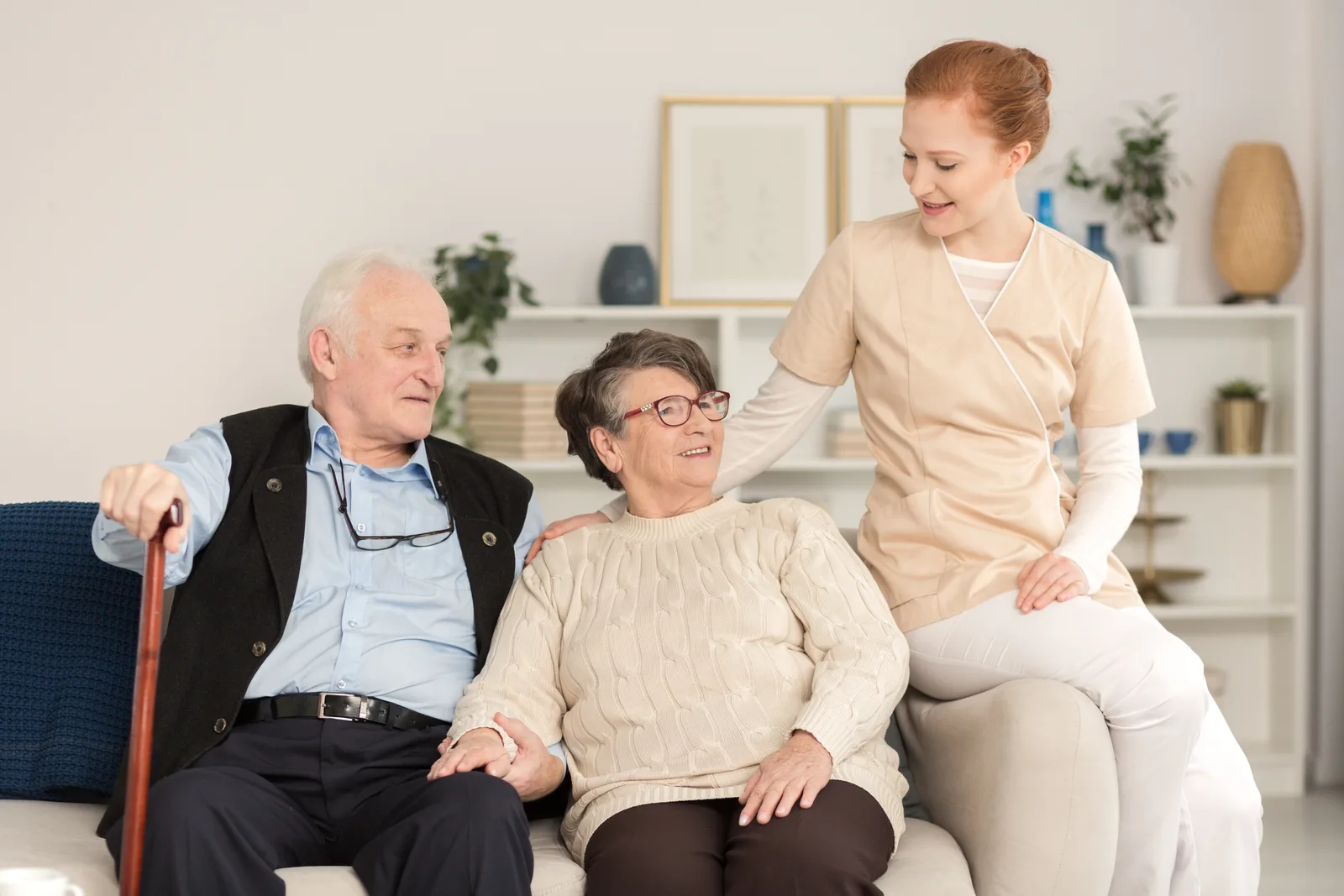
When we speak with the adult son or daughter of an elderly parent, we often hear the same concerns: "Mum feels comfortable at home, but I'm worried she'll fall on those stairs." Or: "Dad insists he doesn't need any help, but we can see how much he struggles in the bathroom." Between the senior's desire to preserve their independence and the family's worries, a host of questions arise about adapting the home – and, unfortunately, just as many myths that prevent sound decisions from being made.
Adapting a home for an elderly parent does not mean turning it into a sterile hospital environment, and safety is not simply a matter of grab rails and non-slip strips. It is about understanding real needs, anticipating changes in health, and creating an environment in which seniors can maintain their autonomy without compromising their safety. The challenge is that many families postpone these adaptations until an accident forces the issue – or invest in the wrong modifications, guided by assumptions rather than evidence.
In this article, we will separate myth from reality and help you make informed decisions, with empathy for the seniors in your family and due respect for their wish to live normally. Because true adaptation begins with understanding.
Contents
- The myth of costly modifications and radical transformations
- The truth about real priorities in home adaptation
- The myth of absolute independence versus safety
- When is the right time for adaptations?
- The myth of complicated technology versus simple solutions
- Common mistakes in the adaptation process
- When to seek specialist help
- Frequently asked questions
The myth of costly modifications and radical transformations
One of the most persistent myths is that adapting a home for a senior requires enormous investment and major renovation work. Many people believe they must completely overhaul the bathroom, install lifts, or make structural changes to the house. The reality is far more nuanced and, in most cases, far more affordable than you might imagine.
Recent studies show that the majority of domestic accidents involving seniors can be prevented through simple, low-cost modifications. A non-slip bath mat costs far less than an A&E visit following a fall. Motion-sensor lights for dark hallways are more affordable than treatment for a hip fracture. It is not about turning the home into a hospital, but about targeted interventions where the risks are real.
Simple adaptations with a major impact
- Removing loose rugs and hazardous thresholds from walkways
- Installing grab rails in the bathroom and beside the toilet – an investment of a few hundred RON
- Improving lighting, particularly on stairs and in transition areas
- Moving frequently used items to accessible heights, eliminating the need to stand on chairs
- Installing alarm buttons or accessible telephones in key rooms
The truth is that gradual adaptations, carried out in stages as needs evolve, are far more effective and less overwhelming than a complete renovation. Begin by assessing the specific risks in your parent's home, rather than working from generic checklists found online.
The truth about real priorities in home adaptation
If the myths tell us to do everything at once or to wait until it becomes absolutely necessary, professional experience tells a different story: there are priority areas that must be addressed first, regardless of the senior's current state of health. These priorities are grounded in clear statistics on domestic accidents and in the practical experience of specialists.
The bathroom remains the most dangerous room in the home for seniors. Wet surfaces, the movements involved in getting in and out, limited space – all contribute to heightened risk. Stairs and the kitchen follow closely behind. But more important than the location is understanding that safety is not solely about preventing falls – it also includes ensuring rapid access to help in the event of an emergency.
Prioritising interventions
- Bathroom and hygiene area – grab rails, shower chair, non-slip flooring
- Walkways and circulation routes – adequate lighting, removal of obstacles, visual contrast on steps
- Bedroom – bed height, easy access to light switches and telephone
- Kitchen – safe access to appliances, burn prevention, smart storage
- Alert systems – emergency call buttons, functioning smoke detectors, communication system
At Trimedical - Îngrijiri medicale la domiciliu in Dobroești, home safety assessments are integrated into the care plan, precisely because specialists observe in practice how small details of the home environment influence the health and autonomy of seniors. A properly adapted home significantly reduces family stress and improves the quality of life of the elderly parent.
The myth of absolute independence versus safety
Many seniors resist adaptations because they perceive them as a curtailment of their independence: "If I put grab rails in the bathroom, it means I'm old and helpless." Families, in turn, hesitate to insist, fearing they will wound their parent's pride. This myth of incompatibility between safety and autonomy creates blockages that can have serious consequences.
The truth is precisely the opposite: well-considered adaptations extend independence, rather than limiting it. A senior who feels safe in their own bathroom will continue to manage their personal care independently for far longer. One who fears falling will begin to avoid certain activities, constantly seek assistance, and gradually lose confidence in their own abilities. The fear of an accident becomes, paradoxically, more limiting than any physical adaptation.
How to approach the conversation about adaptations
- Start with the senior's own concerns, not your solutions – listen to what troubles or worries them
- Present adaptations as improvements for comfort, not as measures for "old age"
- Involve seniors in the decision-making process – let them choose between options
- Begin with small changes, trialled on a temporary basis, to demonstrate the benefits
- Use positive examples from people they know, or share success stories
Respecting your parent's autonomy does not mean standing by in the face of real risks. It means finding the balance between safety and freedom, through honest dialogue and personalised solutions.
When is the right time for adaptations?
A common myth is that adaptations should be made "when needed" – that is, once mobility problems appear or after the first accident. Medical experience tells us otherwise: prevention is far more effective and far less traumatic than responding to an emergency. A fall can completely alter a senior's health trajectory, bringing not only fractures but also fear, loss of confidence, and rapid functional decline.
The ideal time for initial adaptations is when seniors are still active and in good health. In this way, the changes become a natural part of their familiar environment, rather than symbols of decline. Furthermore, their active involvement in the adaptation process is only possible when they are in good cognitive and physical condition.
Signs that it is time for an assessment and adaptations
- The senior has experienced episodes of unsteadiness or dizziness, even without actual falls
- You notice hesitation when using the stairs or avoidance of certain areas of the home
- Changes in vision, hearing, or balance become apparent
- Chronic conditions affecting mobility have been diagnosed (arthritis, Parkinson's disease, diabetes with neuropathy)
- Newly prescribed medications may cause dizziness or weakness
- A surgical procedure and recovery period are approaching
Do not wait for a crisis. A professional assessment carried out in good time allows for gradual planning and avoids the stress of adaptations forced by unfortunate circumstances.
The myth of complicated technology versus simple solutions
Today's market is full of smart devices for monitoring seniors: GPS watches, fall sensors, surveillance cameras, complex smart home systems. The myth is that these technologies are the universal solution and that adaptation means investing in modern gadgets. For many seniors, however, overly advanced technology becomes a source of frustration and anxiety, rather than a source of safety.
The truth is that the most effective solutions are often the simplest ones. A telephone with large buttons and quick-dial access to family members is more useful than a complicated smartwatch the senior never quite learns to use. A lamp that switches on automatically at night is more practical than a voice-activated system that requires precise commands. Technology must adapt to the user, not the other way around.
Practical and accessible technologies for seniors
- Wearable emergency call buttons – simple, single-button devices connected to emergency services or family members
- Amplified telephones with large keys and memory for frequently called numbers
- Smoke and carbon monoxide detectors with a loud alarm
- Motion-sensor lights for toilets and hallways used during the night
- Automatic medication dispensers with visual and audible alarms
Before investing in technology, ask yourself: is it intuitive for my parent? Will they actually use it? Are there simpler alternatives? Often, the regular presence of a professional carer provides far greater safety than the most advanced gadgets left unused.
Common mistakes in the adaptation process
Experience shows that families make certain recurring mistakes when adapting a home for a senior. Not through lack of care, but through lack of information or through the lens of their own assumptions about their parents' needs. Awareness of these pitfalls can save you time and money and, more importantly, can prevent ineffective adaptations that fail to address the real risks.
The first major mistake is generalisation – applying standard checklists without a personalised assessment. Every senior has different functional abilities, specific conditions, and their own preferences. The second common mistake is postponing adaptations out of fear of the parent's negative reaction, or out of unjustified optimism that "they're managing fine for now".
Mistakes to avoid
- Making modifications without consulting the senior, creating resistance and resentment
- Focusing solely on aesthetics while overlooking actual functionality
- Purchasing complex equipment without training or a trial period
- Neglecting lighting – the cheapest and most effective element of home safety
- Forgetting to adapt external areas too: the entrance, steps, and garden paths
- Installing rails or supports at standard heights without personalisation
- Assuming that a one-off adaptation will remain adequate in the long term
Periodic reassessment is essential. Needs change as health evolves, and an adapted home must evolve alongside them. What was sufficient a year ago may no longer be adequate today.
When to seek specialist help
There are times when assessing and adapting a home goes beyond the family's competence and requires the expertise of specialists. This is not an admission of failure, but a responsible decision that can make the difference between effective adaptations and wasted investment. Professionals bring not only technical experience, but also the ability to anticipate future needs based on the typical progression of various conditions.
An occupational therapist can assess the interaction between the senior's physical capabilities and the demands of the home environment. A nurse with experience in home care will notice details that the family may overlook. And a full-service provider such as Trimedical - Îngrijiri medicale la domiciliu can integrate home adaptation into the overall care plan, coordinating medical aspects with environmental safety considerations.
Situations where specialist consultation is necessary
- The senior has a progressive neurological condition (Parkinson's disease, dementia, multiple sclerosis)
- Returning home after hospitalisation or major medical rehabilitation
- Mobility is severely impaired and specialist equipment is required
- The home has multiple levels or challenging architectural features
- Complex medical needs require constant monitoring
- The family lives at a distance and cannot provide direct supervision
Professional home care services, such as those provided by Trimedical in the Dobroești area, often include home safety assessments and personalised recommendations. The advantage is that these recommendations come from staff who will actually work in that environment and have a concrete understanding of the daily challenges of care.
What to look for in a senior care services provider
- Comprehensive initial assessment – covering not only medical needs, but also the living environment
- Qualified and empathetic staff – technical expertise matters, but so does their attitude towards seniors
- Flexibility and personalisation – plans tailored to specific needs, not rigid packages
- Transparent communication with the family – regular updates and availability for questions
- Availability in emergencies – round-the-clock services when the situation demands it
Do not hesitate to ask about the provider's experience with situations similar to your parent's. A reputable professional will be transparent about the capabilities and limitations of the services they offer.
Frequently asked questions
What is the average cost of adapting a home for a senior?
Costs vary enormously depending on the complexity of the adaptations. Basic interventions (grab rails, improved lighting, removal of hazards) can cost between 500 and 2,000 RON. Mid-range adaptations, including bathroom modifications and substantial safety improvements, typically fall between 2,000 and 8,000 RON. Major renovations involving ramps, lifts, or structural changes can exceed 15,000–30,000 RON. Begin with the immediate priorities and adapt gradually.
How do I persuade a reluctant parent that adaptations are necessary?
Avoid direct confrontation and focus on the benefits to comfort, not on age-related limitations. Involve the GP or a trusted specialist in the conversation. Suggest trialling simple solutions on a temporary basis. Emphasise that the adaptations will enable them to remain independent for longer, not restrict them. Listen to their real concerns and find compromises – respecting their autonomy makes acceptance far more likely.
Is it better to move my parent to a single-storey home rather than adapting their current one?
It depends on their emotional attachment to the home, how difficult adaptation would be, and their current state of health. Moving can be traumatic for seniors, particularly those who have lived in the same home for decades. If adaptation is feasible and costs are reasonable, preserving the familiar environment is often preferable. Consult specialists to evaluate both options before making a decision.
What adaptations are most urgent following a fall?
Immediately after a fall, the priority is identifying the cause and eliminating the specific risk factor. Assess the area where the incident occurred and address it urgently. Then extend the assessment to all similar areas throughout the home. Install an alert system, as seniors who have fallen once are at increased risk of falling again. Consult a doctor to assess balance and review any medication that may be contributing to instability.
Can home adaptations prevent all accidents?
No adaptation can entirely eliminate risk, but they can significantly reduce both the likelihood and severity of accidents. Studies show that appropriate adaptations can prevent up to 70% of avoidable falls. They must be combined with adequate monitoring, regular medication reviews, balance exercises, and, where necessary, professional supervision. Safety is a multifaceted approach, not merely a question of home furnishing.
How often should home safety be reassessed?
The general recommendation is a full reassessment every six months for seniors whose health is stable, and every three months – or following any significant change in health – for those with progressive conditions. Reassess immediately after hospitalisations, changes to medication that affect balance, or after any safety incident. Day-to-day observation by family members or carers is just as important as formal assessments.
Adapting a home for an elderly parent is an act of love and responsibility that requires a careful balance between safety and respect for autonomy. There are no universal solutions – only personalised approaches, built on understanding, dialogue, and professional assessment. Every adaptation made in good time is an investment in quality of life and in the family's peace of mind.
If you feel you need specialist guidance or would like a professional safety assessment of your parent's home, do not hesitate to consult specialists in senior care. Their experience can make the difference between effective adaptations and wasted resources, between genuine prevention and a false sense of security.
This article is intended for informational purposes only and does not replace medical advice. For specific situations, please consult a specialist in geriatrics or home care.
Previous
Recommended Vaccines for the Elderly: What Families Need to Know
Next
Skin Care for the Elderly at Home: Prevention and Recognition
Similar articles
Întrebări frecvente despre boala Alzheimer: Răspunsuri pentru familii
6 November 2026
How to Prepare an Elderly Person for Surgery: A Complete Guide
6 November 2026
Hearing Loss in the Elderly: A Practical Guide to Hearing Aids
5 November 2026
Immobility Syndrome in the Elderly: Risks and Home-Based Solutions
4 November 2026
Parkinson's Disease in Older Adults: Signs to Look Out for and What You Can Do at Home
3 November 2026
High Blood Pressure in the Elderly: Home Monitoring and the Role of the Family
2 November 2026