
Malnutrition in the Elderly: Signs That Families Need to Recognise
Learn how to identify the early signs of malnutrition in your parents or grandparents, and discover practical solutions to help them at home — with empathy and without being forceful.
Contents
Ana realised something was wrong when her mother, Elena, aged 78, refused for the third consecutive time to join the family for Sunday dinner. "I'm not hungry," she would say each time. When Ana visited her at home, she noticed that her clothes were far too loose, that she was moving with more difficulty, and that a small wound on her hand hadn't healed in weeks. The family doctor confirmed her fears: moderate malnutrition — a surprisingly common problem in older adults, yet often invisible until it becomes serious.
Malnutrition in older people doesn't simply mean "not eating enough." It is a complex condition in which the body fails to receive the essential nutrients it needs to function properly. And although it may seem paradoxical in a world where food is readily available, studies show that approximately 1 in 10 older adults living independently are at high risk of malnutrition. The good news? Family members can play a vital role in recognising the signs and offering the right support.
This article will help you understand what malnutrition in older adults truly means, how to recognise the early signs, and what you can do in practical terms — with gentleness and respect — to help your parent or grandparent feel better.
Contents
- What malnutrition in older adults means and why it is so common
- Signs of malnutrition that families should watch for
- Why older adults are more vulnerable to malnutrition
- What families can do at home to improve nutritional intake
- Common myths about weight loss in older adults
- When to seek specialist help and who to turn to
- Frequently asked questions
What malnutrition in older adults means and why it is so common
Malnutrition in older adults is not simply about a lack of calories — it refers to a deficiency in proteins, vitamins, minerals, and other essential nutrients. It can occur even in people of normal weight or those who are overweight, which makes it difficult for families to identify.
This problem is far more widespread than one might imagine. The World Health Organisation estimates that between 20% and 50% of older adults living in institutional care are malnourished, but those living independently are also at significant risk. In Romania, although complete statistics are lacking, geriatric specialists report a rise in cases of malnutrition that go undetected until too late.
Impact on health
The consequences of malnutrition are serious and affect the entire body. A weakened immune system leads to frequent infections, wounds heal more slowly, muscles waste away increasing the risk of falls, and mental health can be affected, leading to confusion or depression. It is a vicious cycle: malnutrition weakens the body, which in turn reduces appetite and the energy needed to prepare food.
Signs of malnutrition that families should watch for
Recognising malnutrition early can make the difference between a simple intervention and a complex one. Unfortunately, many families assume that weight loss is "normal with old age" and allow the problem to progress. Here are the specific signs to watch for:
Visible physical signs
- Unintentional weight loss — more than 3–5 kg over 3–6 months, or clothing becoming noticeably too loose
- Wounds or bruises that won't heal — the skin lacks the nutrients needed for repair
- Dry, fragile skin or hair that falls out more than usual
- Weak muscles and loss of strength — difficulty getting up from a chair or climbing stairs
- Persistent fatigue and lack of energy for everyday activities
Changes in behaviour and mood
Not all signs are physical. Malnutrition also affects mental and emotional wellbeing. Watch out for these changes:
- Social withdrawal and reluctance to join family meals
- Increased irritability or apathy
- Confusion or difficulty concentrating that appears to come on suddenly
- Loss of interest in enjoyable activities, including eating
Changes in eating habits
Visit your parent or grandparent at home and observe what is happening in the kitchen. Signs such as an empty fridge or one containing out-of-date food, untouched meals, eating the same thing every day, or a preference for sweets over proper meals may all indicate a problem.
Why older adults are more vulnerable to malnutrition
Understanding the causes of malnutrition helps you find appropriate solutions. There is rarely a single cause — several factors usually act simultaneously, creating a complex situation that requires a personalised approach.
Physical and medical issues
- Naturally reduced appetite with age — the senses of taste and smell diminish
- Dental problems — missing teeth, ill-fitting dentures, pain when chewing
- Chronic conditions — diabetes, heart disease, cancer, digestive disorders that affect nutrient absorption
- Swallowing difficulties (dysphagia) — fear of choking
- Medications — many treatments cause nausea, a metallic taste, or loss of appetite
Social and emotional factors
Social isolation is one of the most powerful contributors to malnutrition in older adults. Eating alone, day after day, removes the social dimension of mealtimes that naturally stimulates appetite. Depression, the loss of a life partner or close friends, and a feeling of being a burden on the family — all of these reduce the desire to prepare and eat food.
Practical difficulties
Sometimes the problem is more mundane but equally important: difficulty getting to the shops, the high cost of quality food, a lack of cooking skills if the partner who used to cook has passed away, or physical limitations that make cooking exhausting and hazardous.
What families can do at home to improve nutritional intake
The help you offer needn't be intrusive or come across as criticism. The approach should be gentle and respectful, and should start from an understanding that your loved one retains their autonomy and dignity. Here are some practical strategies that work:
Create a pleasant mealtime environment
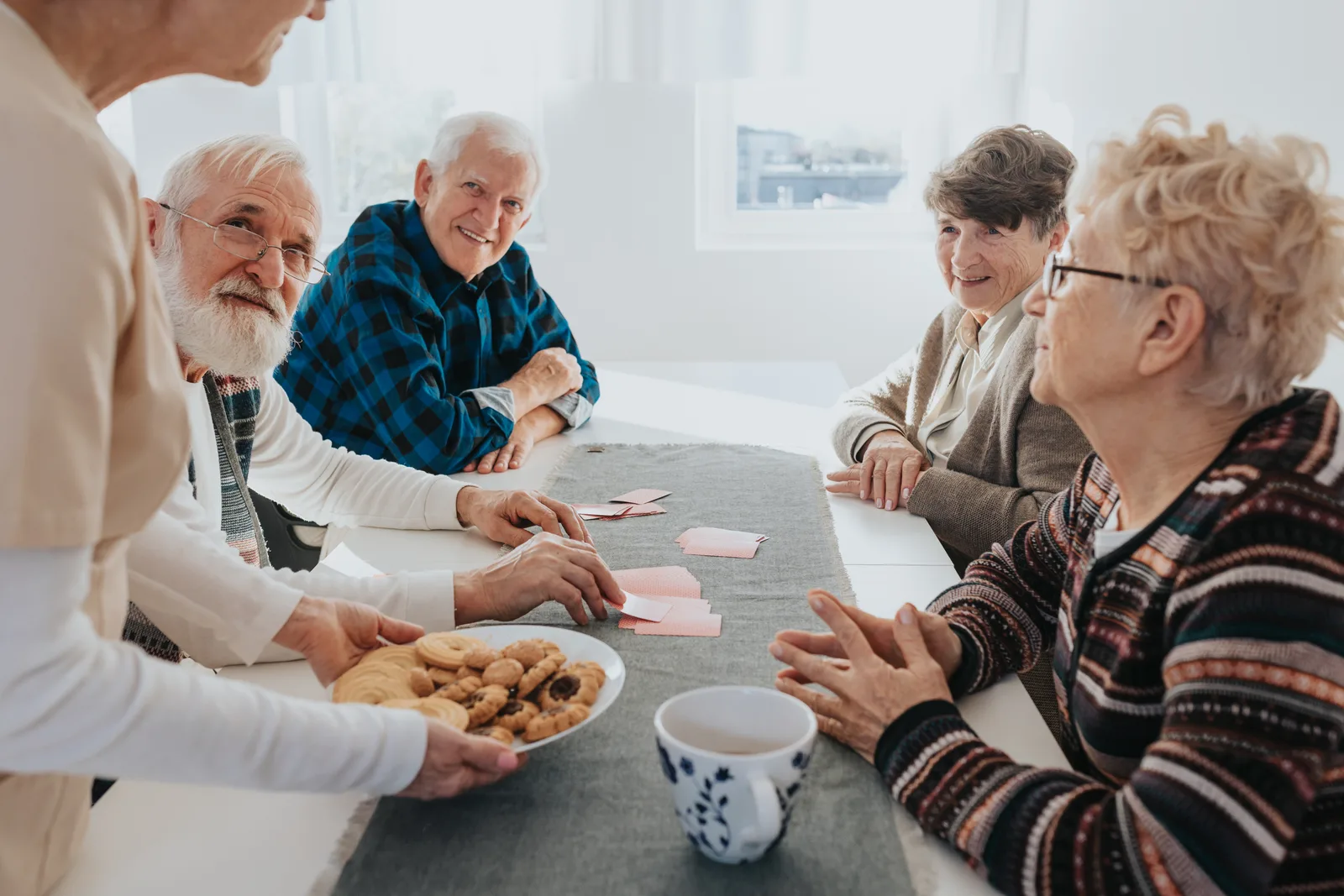
- Organise family meals as often as possible — the social aspect stimulates appetite
- Don't pressure them to eat; instead, make mealtimes enjoyable through conversation and company
- Respect personal preferences, even if they aren't perfectly nutritionally balanced
- Play gentle music or chat about happy memories during meals
Adapt the food
If chewing is difficult, offer softer or minced foods — not just soups, but stews, well-cooked pasta, puddings, and smoothies made with yoghurt and fruit. If taste has diminished, use aromatic herbs and spices rather than just salt — parsley, dill, lemon, and garlic in moderation all work well.
Offer small, frequent portions
Instead of three large meals that can feel overwhelming, offer 5–6 small meals throughout the day. An apple with peanut butter, a yoghurt with nuts, a slice of bread with cheese and tomatoes — all of these add nutrients without feeling like too much.
Simplify the cooking process
- Prepare food in larger quantities and divide it into individual portions for the freezer
- Label containers clearly with their contents and date
- Make sure they have healthy, easy-to-prepare foods to hand
- Offer to do the shopping together or order online with home delivery
Boost the nutritional value of meals
You can increase nutritional value without increasing volume: add powdered milk to soups and sauces, butter or olive oil to vegetables, eggs to stews, and ground seeds to yoghurt. Every extra spoonful of nutrient-dense food makes a difference.
Address practical obstacles
Sometimes the solution lies in resolving concrete barriers: check whether dentures fit properly, help with organising medications to reduce side effects, offer assistance with transport for shopping, or accompany them to a dental appointment.
Common myths about weight loss in older adults
There are many misconceptions about diet and weight in older adults that prevent families from responding in time. Let us address some of the most harmful myths:
Myth 1: "It's normal to lose weight as you get older"
The truth: Although metabolism does slow slightly with age, significant and unintentional weight loss is not normal and should be investigated. A loss of more than 5% of body weight in 6 months is a warning sign that requires medical attention.
Myth 2: "If they're not hungry, they don't need to eat"
The truth: In older adults, the sensation of hunger is often diminished for physiological reasons, not because the body no longer needs nutrients. Waiting for hunger to appear can lead to severe malnutrition. This is why regular mealtimes are important, even when appetite is absent.
Myth 3: "Nutritional supplements can replace meals"
The truth: Although supplements can be helpful in the short term, they cannot replace whole foods in the long run. Real food provides fibre, active compounds, and sensory satisfaction that no supplement can fully replicate.
Myth 4: "If they have a bit of a tummy, they can't be malnourished"
The truth: Malnutrition can coexist with normal weight or even excess weight. What matters is the intake of proteins, vitamins, and minerals — not just total calories. A person can be overweight due to a diet high in sugar and fat, while still being deficient in essential nutrients.
When to seek specialist help and who to turn to
Although families can do a great deal at home, there are times when professional help becomes necessary. Seeking help is not a failure — on the contrary, it is a sign of responsibility and genuine care.
Signs that it's time to consult a specialist
- Unintentional weight loss of more than 5% over 3–6 months
- Persistent refusal to eat over several consecutive days
- Mental confusion that appears to be worsening
- Wounds or infections that are not healing within a normal timeframe
- Dehydration — dry lips, infrequent urination, confusion
- A dramatic decline in strength and energy
Who you can turn to
The family doctor (GP) should be the first point of contact. They can assess general health, identify medical causes (illness, medication), and recommend blood tests to detect nutritional deficiencies.
A dietitian or nutritionist specialising in geriatrics can create a personalised meal plan that takes into account preferences, limitations, and specific needs. This specialist can advise you on how to boost the nutritional value of meals and how to manage practical challenges.
The dentist is essential if you suspect dental problems. Well-fitting dentures can transform the experience of eating.
A social worker can help with organising home care services, meals on wheels, or other available community resources. Many local areas have support programmes for vulnerable older adults.
A psychologist or psychiatrist may be needed if malnutrition is linked to depression, anxiety, or cognitive difficulties. Addressing emotional wellbeing can significantly improve appetite.
How to prepare for a doctor's appointment
To make the visit as productive as possible, note down in advance: current and previous weight (with dates if possible), a full list of medications, observations about eating habits, associated symptoms such as fatigue or slow-healing wounds, and any specific questions. If your parent allows it, accompany them to the appointment — four ears hear more than two.
Frequently asked questions
How can I encourage a parent to eat more without seeming pushy?
Avoid verbal pressure and instead create pleasant opportunities: invite them to join family meals, prepare their favourite dishes, eat together. An indirect approach is far more effective than direct pressure, which can create resistance.
How many kilograms lost is a cause for concern?
Any unintentional loss of more than 3 kg in 3 months, or 5% of body weight in 6 months, warrants medical assessment. For someone weighing 70 kg, losing 3.5 kg without explanation is significant.
Are nutritional supplements from the pharmacy safe and effective?
Supplements can be useful temporarily or as an addition to a diet, but should not be used without consulting a doctor. Some may interact with medications or provide excessive amounts of certain vitamins for particular conditions. Always consult a specialist beforehand.
What should I do if my parent refuses help or denies there is a problem?
Respect their autonomy, but remain gently involved. Offer practical help without criticism: "I've made too much food — can I bring some over for you?" or "Let's have lunch together this week." If there is an immediate medical risk, consult the family doctor for advice on how to approach the situation.
How long will it take to see improvements once we start making changes?
It depends on the severity of the malnutrition, but generally, with consistent intervention, the first signs of improvement (more energy, better wound healing) appear within 2–4 weeks. Full recovery may take 2–3 months or longer in more severe cases.
Can complications arise if food intake is increased too quickly?
Yes — in severe cases of prolonged malnutrition, a sudden increase in food intake can cause refeeding syndrome, a serious medical condition. For this reason, in severe cases, any increase in intake should be gradual and medically supervised. For moderate situations, a steady and balanced increase is sufficient.
Care with patience and understanding
Malnutrition in older adults is not inevitable and should not be accepted as a "normal" part of ageing. With careful observation, empathy, and prompt action, families can make an enormous difference to the quality of life of their loved one. Start with small steps — a meal together, a conversation about what they'd enjoy eating, a visit to the family doctor. If you notice signs that concern you, don't wait for things to worsen. Speak with your GP or a specialist in geriatric nutrition, who can guide you towards personalised and effective solutions.
This article is for informational purposes only and does not replace medical advice. For specific situations, please consult a healthcare professional.
Previous
Recreational Activities for the Elderly: A Guide for Families
Next
Orthostatic Hypotension in the Elderly: Recognition and Home Care
Similar articles

Frailty Syndrome in the Elderly: How to Recognise It at Home
17 November 2026

Orthostatic Hypotension in the Elderly: Recognition and Home Care
15 November 2026

Myths and Facts About Informal Carers in Romania
14 November 2026

Chronic Constipation in the Elderly: Warning Signs and What Families Can Do at Home
14 November 2026

Depression in the Elderly: Common Mistakes and How to Avoid Them
13 November 2026

Urinary Tract Infections in the Elderly: Unusual Signs and What You Can Do at Home
13 November 2026