
Frequently Asked Questions About Hearing Loss in Seniors
Clear answers to the most common questions about hearing loss in older adults: signs, causes, solutions, and how you can help your loved one hear better and live more comfortably.

Contents
When your mother asks you to repeat the same sentence several times, or your father turns the television volume up to maximum, it's easy to dismiss these as minor inconveniences of old age. However, hearing loss in older adults is far more than a nuisance – it can lead to social isolation, depression, and even accelerated cognitive decline. Recent studies show that the majority of people over 70 experience some degree of hearing loss, and in Romania, around 30% of seniors over 65 report difficulties with their hearing.
For families caring for elderly relatives, understanding this issue is essential. Hearing loss affects more than just the ability to hold a conversation – it impacts safety (not hearing alarms or danger signals), independence, and the quality of social relationships. Many families in Dobroești and across the country are finding that accurate information and timely intervention can completely transform the life of their loved one.
In this article, we answer the questions we most frequently receive from families in this situation, offering practical and compassionate guidance to help you better understand and manage hearing loss in your elderly loved ones.
Contents
- What hearing loss in older adults is and why it occurs
- What the early signs of hearing problems are
- How hearing loss affects quality of life
- How hearing loss is assessed and diagnosed
- What solutions and treatments are available
- How you can help your loved one at home
- When to seek specialist medical services
- Frequently asked questions
What hearing loss in older adults is and why it occurs
Age-related hearing loss, known medically as presbycusis, is a natural process of auditory deterioration that affects most people after the age of 60. It develops gradually, usually affecting both ears equally, and particularly impairs the perception of high-pitched sounds and speech in noisy environments.
The causes of hearing loss in older adults are multiple and often interconnected. It is not simply a matter of the inner ear "wearing out" – there are many contributing factors. Understanding these causes can help you recognise that hearing loss is not a "weakness" on the part of your loved one, but a genuine medical condition that requires attention.
The main causes of hearing loss
- Degeneration of sensory cells in the inner ear – a natural part of ageing that particularly affects the cells responsible for detecting high-frequency sounds
- Cumulative noise exposure throughout life, from noisy work environments to music listened to at high volume
- Circulatory problems that reduce blood flow to the inner ear, worsened by hypertension or diabetes
- Medication side effects, known as ototoxicity, caused by certain antibiotics, diuretics, or cancer treatments
- Earwax build-up in the ear canal – a surprisingly common problem that is completely reversible
- Repeated ear infections or complications following illnesses such as meningitis
It is important to remember that hearing loss is neither inevitable nor entirely irreversible. Whilst the natural ageing process cannot be halted, many of the causes listed above can be managed, and the impact of hearing loss can be significantly reduced through appropriate intervention.
What the early signs of hearing problems are
Recognising hearing loss early is essential, but often difficult. Many older adults deny the problem or minimise it, viewing it as a "normal" part of ageing that they simply must live with. This is why families play a crucial role in observing the signs and encouraging their loved one to seek help.
Hearing loss typically develops gradually over the course of years, which means the person affected adapts unconsciously. The brain learns to "fill in the gaps," and the individual may not realise how much of a conversation they are actually missing. Spotting the early signs allows you to intervene before isolation and frustration become serious problems.
Behavioural signs to watch for
- Frequently asking for words or phrases to be repeated, especially in conversations involving several people
- Consistently turning the television or radio up to a volume that seems too loud for others
- Difficulty understanding telephone conversations and avoiding phone calls
- Withdrawing from social situations, particularly noisy environments such as restaurants or family gatherings
- Responding inappropriately to questions, suggesting they have not correctly understood what was said
- Complaining that others "mumble" or do not speak clearly
- A noticeable habit of turning the head to one side to favour the "good ear"
Physical and medical signs
Beyond behavioural changes, there are also physical manifestations that may indicate hearing problems. People with hearing loss may experience tinnitus (ringing or buzzing in the ears), difficulty maintaining their balance, or a sensation of pressure in the ears. At Trimedical - Îngrijiri medicale la domiciliu in Dobroești, nurses frequently notice these signs during routine visits and can alert the family, facilitating early intervention.
It is important to understand that older adults may become defensive or embarrassed when the subject of hearing is raised. The approach must be gentle, empathetic, and focused on your concern for their comfort and safety – not on any "fault" they may have.
How hearing loss affects quality of life
Hearing loss in older adults is not simply an isolated medical issue – it has far-reaching consequences across every aspect of life. Its impact extends well beyond the difficulty of hearing; it affects mental health, social relationships, physical safety, and even cognitive function.
Research in recent years has revealed a concerning link between untreated hearing loss and accelerated cognitive decline. When the brain receives less auditory input, certain neural regions atrophy, and people with moderate to severe hearing loss face a significantly higher risk of developing dementia. This underscores the importance of actively addressing hearing problems rather than simply accepting them.
Emotional and social consequences
- Social isolation – avoiding interactions due to the frustration of not following conversations
- Depression and anxiety – feelings of helplessness, embarrassment, and fear of being seen as old or incapable
- Strained relationships – tension with family caused by constant repetition and misunderstandings
- Loss of independence – difficulty carrying out everyday tasks that require communication
Safety and health risks
The impact on safety is often underestimated. Older adults with hearing problems may not hear smoke alarms, traffic signals, or may fail to correctly understand medical instructions. They may miss important phone calls or not hear the doorbell. All of these factors increase vulnerability and can lead to dangerous situations.
Studies also show that hearing loss is associated with a higher risk of falls in older adults – balance is partly dependent on hearing, and reduced environmental awareness increases the likelihood of accidents.
How hearing loss is assessed and diagnosed
Accurate diagnosis of hearing loss requires a thorough professional assessment. Whilst you may notice signs at home, only a specialist can determine the type, severity, and cause of the hearing loss, and recommend the most appropriate solutions.
The assessment process typically begins with the GP, who can carry out an initial examination of the ears and check for simple, treatable causes such as earwax build-up. However, a full assessment requires a consultation with an ENT (ear, nose and throat) specialist and specialist audiology services.
Standard hearing tests
- Pure-tone audiometry – the classic test in which the patient listens to sounds of different frequencies and volumes through headphones and indicates when they can hear them
- Speech audiometry – measures the ability to understand speech at different volume levels
- Tympanometry – assesses the functioning of the eardrum and middle ear
- Otoacoustic emissions test – checks the functioning of the sensory cells in the inner ear
These tests are painless and take around 30 to 60 minutes. The results provide a clear picture of hearing ability and help to determine the most appropriate treatment plan. It is recommended that older adults have annual hearing tests from the age of 60 onwards, even if they are not showing obvious symptoms.
When medical examination is necessary
Seek urgent specialist advice if your loved one experiences sudden hearing loss, severe ear pain, discharge from the ear, severe tinnitus, or hearing loss in one ear only. These situations may indicate serious medical problems requiring prompt treatment. For routine assessments or suspected age-related hearing loss, booking an appointment within the coming weeks is usually sufficient.
What solutions and treatments are available
The good news is that, in many cases, hearing loss can be managed effectively. Modern solutions are far more advanced, discreet, and comfortable than earlier generations of hearing aids, with options to suit different needs and budgets.
Treatment depends on the type and severity of the hearing loss. For conductive hearing loss (problems with the outer or middle ear), the causes are often reversible – removing earwax, treating infections, or surgically correcting structural problems. For sensorineural or mixed hearing loss, which are most common in older adults, solutions focus on amplifying sound and improving speech understanding.
Modern hearing aids
- In-the-ear hearing aids – discreet devices placed in the ear canal, suitable for mild to moderate hearing loss
- Behind-the-ear hearing aids – more powerful devices suited to severe hearing loss, featuring advanced digital technology
- Rechargeable hearing aids – eliminate the need to change tiny batteries, a genuine blessing for older adults with reduced dexterity
- Bluetooth-enabled hearing aids – connect directly to a phone or television for superior sound quality
Other solutions and adaptations
Beyond conventional hearing aids, there are assistive devices that can transform daily life: visual alert systems for the doorbell or alarm, amplified telephones, hearing loop systems for the television, and smartphone applications that transcribe conversations in real time. Many of these solutions are accessible and can be implemented immediately, significantly improving comfort and safety.
For more severe cases, cochlear implants are an option – surgical devices that directly stimulate the auditory nerve. Whilst more invasive and costly, they can deliver remarkable results for individuals with severe bilateral hearing loss who do not benefit sufficiently from conventional hearing aids.
How you can help your loved one at home
Caring for someone with hearing problems requires patience, empathy, and certain practical adjustments to the way you communicate and organise the home environment. Small changes can have an enormous impact on quality of life and on your relationship with your loved one.
The most important thing to bear in mind is that hearing loss is not a character flaw. The person is not being stubborn or "choosing not to listen" – they simply cannot hear well. Your approach should always be respectful, avoiding a condescending tone or speaking as though you were addressing a child.
Effective communication techniques
- Ensure eye contact before you begin speaking – many older adults unconsciously lip-read
- Speak clearly and at a normal level – shouting distorts sounds and makes understanding more difficult
- Reduce background noise – turn off the television or radio when having a conversation
- Rephrase rather than simply repeat – sometimes the difficulty lies with particular words or sounds
- Use short sentences and pauses – give the brain time to process the information
- Confirm understanding – gently ask for confirmation of important information
Adaptations to the home environment
Make the home a more accessible environment for someone with hearing difficulties. Install alarm systems with visual alerts (flashing lights), label emergency buttons with clear visual instructions, ensure excellent lighting throughout to facilitate lip-reading, and create quiet conversation spaces away from constant sources of noise.
Encourage consistent use of hearing aids if they have them. Many older adults wear them only for "special occasions," but the real benefits only emerge through regular use – the brain needs time to readjust to amplified sounds.
When to seek specialist medical services
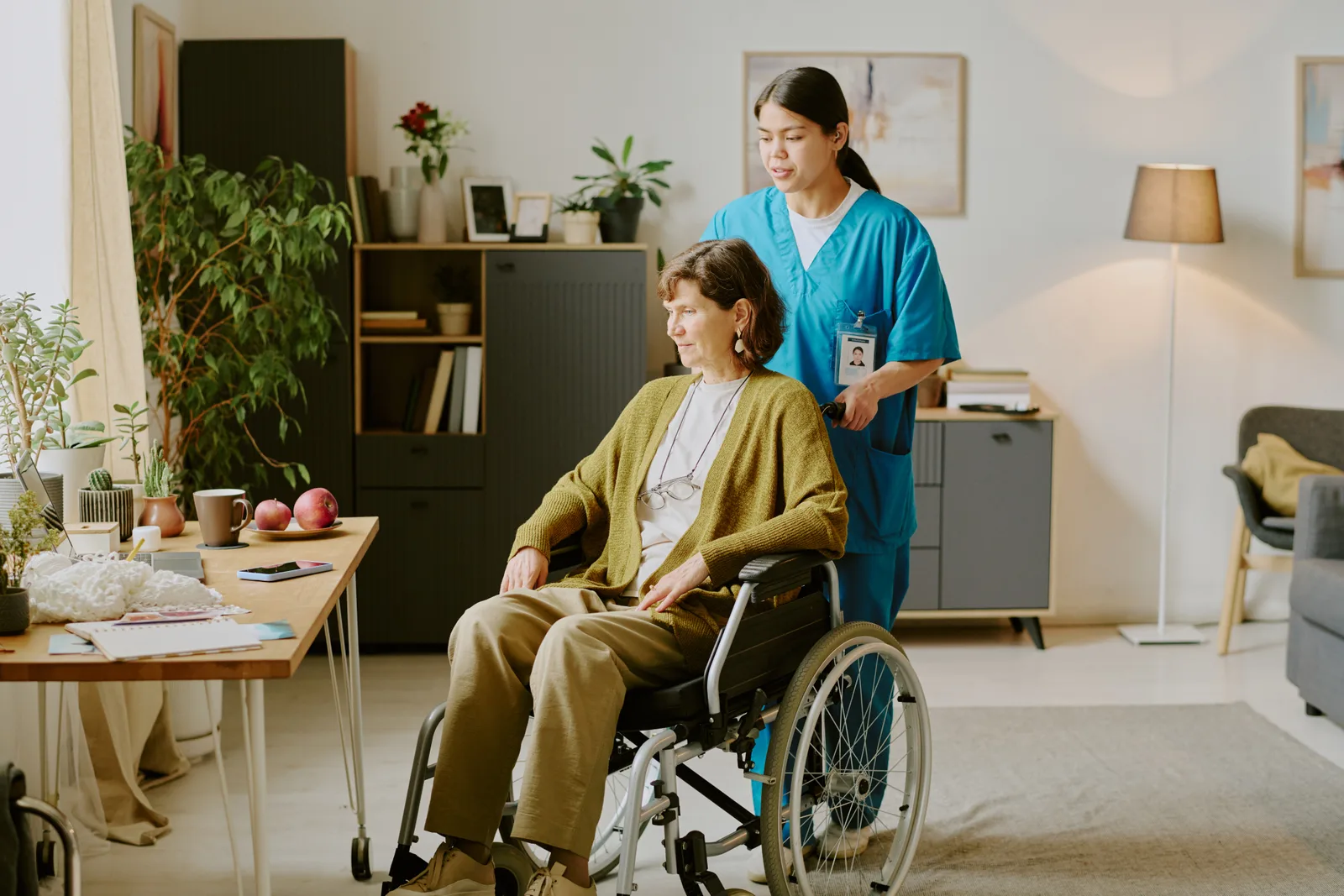
Managing hearing loss at home can be challenging, particularly when your loved one has other medical conditions or requires complex care. Home medical services can provide essential support, ensuring continuous monitoring and prompt intervention when needed.
Seek specialist services when you notice that your loved one is significantly withdrawing socially due to their hearing problems, when there is resistance to wearing hearing aids, or when the hearing loss is interfering with the correct administration of medication or adherence to medical advice. If the person also has other health conditions – diabetes, hypertension, reduced mobility – coordinating their care becomes essential.
The benefits of home medical care
Trimedical - Îngrijiri medicale la domiciliu in Dobroești offers a holistic approach that includes monitoring general health, ensuring correct medication management, physiotherapy, and – crucially for older adults with hearing loss – adapted communication and emotional support. The professional team can identify complications related to hearing loss, from medication errors caused by misunderstood instructions to an increased risk of falls.
- Continuous medical monitoring in the comfort of home
- Staff trained in communicating with people with hearing impairments
- Coordination with ENT specialists and audiologists
- Support for families in managing difficult situations
- Services available around the clock for emergency situations
Home medical care does not mean that your loved one is "too ill" – it means you are choosing a proactive, preventative approach that preserves independence and dignity for as long as possible. For many families, this option reduces stress, improves the older adult's quality of life, and provides peace of mind that their loved one is receiving the professional care they need.
Frequently asked questions
Can hearing loss in older adults be stopped or reversed?
Age-related hearing loss (presbycusis) cannot be completely reversed, as it involves the deterioration of sensory cells in the inner ear that do not regenerate. However, its progression can be slowed by protecting the ears from excessive noise, managing medical conditions such as diabetes and hypertension, and avoiding ototoxic medications where alternatives exist. Hearing aids and other interventions can significantly compensate for the loss and dramatically improve quality of life.
How much do hearing aids cost and are they covered by insurance?
Hearing aid prices in Romania range from 1,500 to 8,000 RON per device, depending on the technology and features. The National Health Insurance House partially reimburses certain types of hearing aids from its approved list of medical devices, but the process requires a medical referral and a full ENT assessment. Many clinics also offer instalment payment plans to make solutions more accessible for families.
How do I encourage my loved one to wear their hearing aid?
Resistance to hearing aids is common and stems from the stigma associated with ageing, initial discomfort, or unrealistic expectations. Begin with empathetic conversations about the concrete benefits – not the "problem," but how the hearing aid will improve conversations with grandchildren or allow them to follow their favourite programmes. The adjustment period requires patience – encourage gradual use, starting with a few hours a day in quiet environments, and ensure regular follow-up appointments with the audiologist for fine-tuning.
Is hearing loss linked to dementia?
Recent studies confirm a concerning link between untreated hearing loss and an increased risk of cognitive decline and dementia. When the brain receives reduced auditory stimulation, certain neural regions atrophy, and the constant effort to "fill in the gaps" in conversations depletes cognitive resources. The encouraging news is that actively treating hearing loss through hearing aids appears to reduce this risk, highlighting the importance of early intervention.
What can I do if the person refuses to see a doctor about their hearing?
Approach the subject gently, focusing on specific concerns – safety, the quality of conversations with family, and the ability to participate in enjoyable activities. Offer to attend the appointment together and frame it as a routine check-up rather than an acknowledgement of a "fault." Sometimes hearing it from a doctor or from others with similar experiences has more impact than the family's own encouragement. If home medical services are available, an initial assessment in the comfort of home may feel less daunting.
How can I make the home safer for an older adult with hearing problems?
Install smoke and carbon monoxide detectors with visual alerts (bright flashing lights), place clear visual instructions near emergency buttons, ensure excellent lighting in every room, reduce sources of constant background noise, and consider a personal alert system with an emergency button. Also encourage the person to use an amplified telephone and applications that can transcribe voice messages to text, helping them maintain contact with family and emergency services.
Hearing loss in older adults need not be accepted as an inevitable consequence of ageing. With understanding, early intervention, and the right solutions, your loved one can continue to enjoy rich conversations, an active social life, and an independent, safe existence. If you notice signs of hearing loss in the person you care for, do not delay – speak with your GP or an ENT specialist for a full assessment. For families in Dobroești and the surrounding areas who need support in caring for older adults, professional home medical services can offer the peace of mind that comes from knowing your loved one is in safe hands.
This article is for informational purposes only and does not replace medical consultation. Please consult a specialist for advice on specific situations.
Previous
5 practical tips about arthrosis for family carers
Next
Rights of the Elderly Patient in Romania: What Families Need to Know
Similar articles

Support Groups for Carers: Where to Find Them and How They Can Help
2 October 2026

How to Manage Nutrition for an Elderly Person with Dysphagia at Home
1 October 2026

Musical therapy for older adults: how it works and how to introduce it at home
30 September 2026

5 practical tips about arthrosis for family carers
29 September 2026
Diabetes in Older Adults: A Practical Guide for Families
28 September 2026

Occupational Therapy for the Elderly: What It Is and How It Helps the Family
28 September 2026