
Home Care or a Care Home for Seniors? Clear Answers
Discover the key differences between home care and care homes, the costs involved, and how to choose the best option for your loved one.
Contents
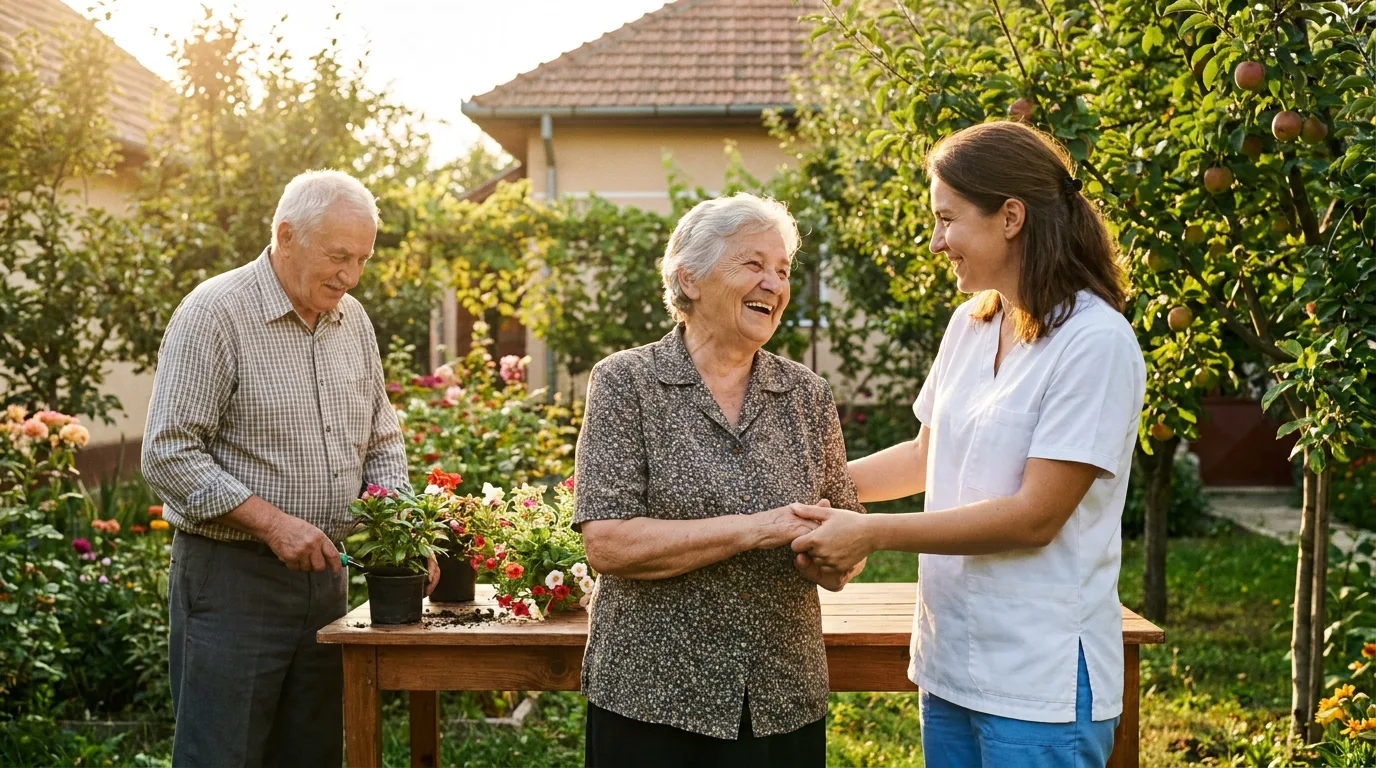
When our parents or grandparents reach the age where they need constant care, we face one of life's most difficult decisions: do we keep them at home with professional help, or do we opt for a specialist care home? It is a dilemma that involves not only practical and financial considerations, but also deep emotions, feelings of guilt, and the fear of making the wrong decision.
Every family has a different story, every senior has particular needs, and the right answer is never universal. Some parents wish to remain in their own home, surrounded by the memories of a lifetime, whilst others would benefit from the socialisation and constant medical supervision that a professional care home provides. Understanding the clear differences between these options can transform an overwhelming decision into an informed and reassuring one.
In this article, we will address the most frequently asked questions that Romanian families face when exploring care options for their elderly loved ones. We will examine the practical, emotional, and financial aspects of each option, so that you can decide with confidence what is best for your unique situation.
Contents
- The main differences between home care and care homes
- The advantages and disadvantages of each option
- Cost comparison: what each option entails
- Essential criteria for making the right decision
- Medical needs and the level of care required
- Adapting the home for home care
- The role of the family and the emotional impact
- When it is time to change the form of care
- When to seek specialist advice
The main differences between home care and care homes
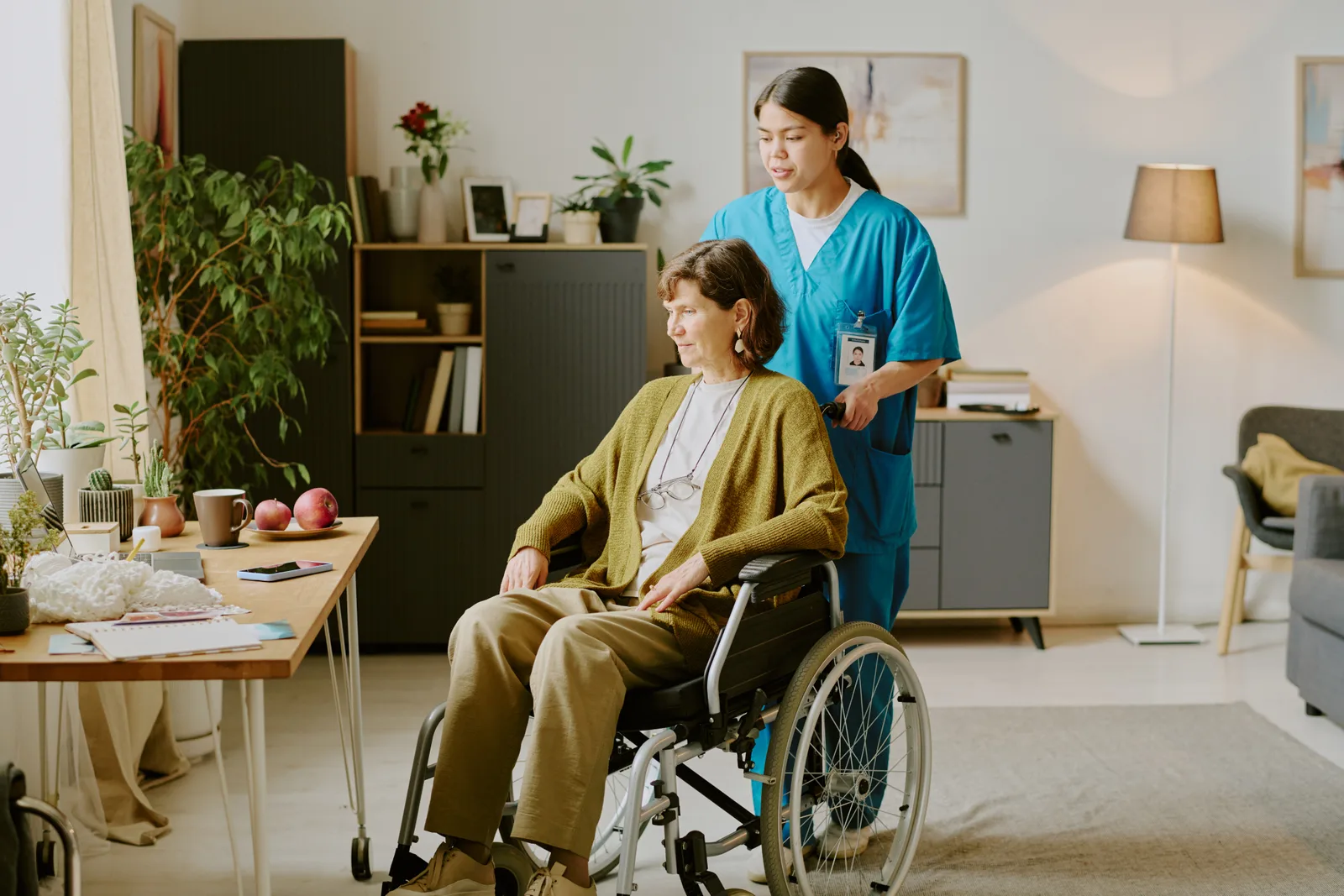
Home care means that the elderly person remains in their own home, benefiting from professional services tailored to their needs — from a few hours a day to round-the-clock supervision. This may include nurses, healthcare assistants, physiotherapists, or qualified carers who visit at set intervals or remain permanently with the senior.
A care home, on the other hand, is a specialist institution where the senior lives permanently, with constant access to medical staff, prepared meals, social activities, and 24-hour supervision. There are various types of care homes — from those offering minimal assistance for independent individuals, to specialist units for patients with dementia or serious conditions.
Distinctive characteristics
- Living environment: home versus a collective institution
- Personalisation of care: individual plan at home versus standardised protocol in a care home
- Schedule flexibility: fully adaptable at home, structured in a care home
- Socialisation: limited at home, active in a care home
- Family involvement: direct at home, as visitors in a care home
- Continuity of carers: consistent team at home, shift changes in a care home
At Clinica Medicala AmbuMED in Otopeni, specialists observe that many seniors benefit from a hybrid approach: home care combined with professional medical transport for regular consultations and emergencies, which allows them to remain in the comfort of their own home without compromising access to quality medical services.
The advantages and disadvantages of each option
Each form of care comes with clear benefits, but also with challenges that must be understood before making a decision. There is no perfectly good or perfectly bad option — everything depends on the specific circumstances of the elderly person and their family.
Advantages of home care
- Emotional comfort: the senior remains in a familiar environment, amongst their belongings and memories
- Preserved routine: they can maintain daily habits, relationships with neighbours, and pets
- Personalised attention: the carer focuses exclusively on one person
- Maximum flexibility: the schedule adapts to the wishes of the senior and their family
- Greater privacy: there are no institutional rules or imposed timetables
- Family involvement: family members can be present and actively contribute to care
Disadvantages of home care
- Social isolation: risk of loneliness and lack of mental stimulation
- Dependency on carers: if the carer is absent, the plan is disrupted
- Necessary adaptations: the home may require costly modifications for accessibility
- Limited supervision: even with a permanent carer, the medical team is not as accessible as in a care home
- Emotional burden: the family bears ultimate responsibility for care
Advantages of a care home for seniors
- Constant medical supervision: qualified staff available 24/7
- Active socialisation: daily opportunities to interact with other residents
- Organised activities: structured programme with occupational therapy, exercise, and events
- Enhanced safety: environment specially adapted to prevent accidents
- Peace of mind for the family: loved ones know the senior is being cared for professionally
- Specialist equipment: medical and assistive equipment immediately available
Disadvantages of a care home for seniors
- Loss of independence: fixed schedule, institutional rules, lack of personal control
- Difficult adjustment: the transition can be traumatic for some seniors
- Divided attention: staff are responsible for many residents simultaneously
- High cost: quality care homes can be extremely expensive
- Variable quality: major differences between institutions, and difficulty in assessing true standards
- Distance from family: visits are limited, regulated, and cannot replace family life
Cost comparison: what each option entails
The financial aspect is often decisive when choosing a form of care, but it is important to understand what each option includes in order to make a fair comparison. Costs vary significantly depending on the region, the quality of services, and the senior's medical needs.
Estimated costs for home care
Home care can vary enormously, from a few hundred RON for a few weekly visits, to over 5,000–7,000 RON per month for permanent supervision with qualified medical staff. The main costs include:
- Carer/nurse salary: between 2,500–5,000 RON for a full schedule
- Home medical services: 150–500 RON per visit, depending on the specialist
- Medication and consumables: variable, from a few hundred to over 1,000 RON per month
- Medical equipment: initial investment for a medical bed, wheelchair, portable commode (1,000–10,000 RON)
- Home adaptations: support rails, ramps, bathroom modifications (500–15,000 RON one-off investment)
- Medical transport: for consultations and emergencies, variable depending on frequency
- Additional utilities: increased consumption of electricity, heating, and water
Services such as those offered by AmbuMED can complement home care with private ambulance transport available 24/7, ensuring that the senior can reach consultations quickly and safely, or receive assistance in an emergency, without requiring a permanent move to an institution.
Estimated costs for care homes
Care homes in Romania charge on average between 1,500–4,000 RON per month for basic services, but fees can reach 6,000–10,000 RON or even more for premium institutions or specialist care for dementia and serious conditions. This cost typically includes:
- Accommodation and meals: a room (individual or shared) and three meals a day
- Basic supervision: round-the-clock staff, assistance with hygiene and mobility
- Activities and recreation: daily programme of social and therapeutic activities
- Cleaning and laundry: room maintenance and linen care
Additional costs may include medication, specialist consultations, physiotherapy, personal medical equipment, specialist hygiene products, and fees for additional services, which can add 500–2,000 RON per month.
Factors influencing costs
- Level of dependency: the more assistance the senior requires, the higher the cost
- Complexity of medical needs: chronic conditions, dementia, or major disabilities increase expenditure
- Geographical location: Bucharest and larger cities have significantly higher rates
- Staff qualifications: nurses and healthcare assistants cost more than carers without formal training
- Care schedule: 8 hours/day, 12 hours, or 24/7 make significant cost differences
Essential criteria for making the right decision
The choice between home care and a care home should not be based solely on cost or emotion. There are objective criteria that can guide the family towards the most suitable decision for the elderly person's specific situation.
Health status and medical needs
Carefully assess what type of medical care your loved one requires. Stable chronic conditions can be managed excellently at home with regular visits from a nurse. However, complex situations — advanced dementia, post-stroke recovery, terminal illness — may require the constant supervision and expertise available in a specialist care home.
The senior's wishes and preferences
Where possible, include the elderly person's opinion in this decision-making process. Many seniors feel a profound fear at the thought of leaving their home, whilst others may be open to the idea of a new, safer, and more sociable environment. Respecting their wishes, as long as these are realistic and safe, is fundamental.
The family's capacity to be involved
- Geographical proximity: do family members live nearby or at a distance?
- Availability of time: is there someone who can coordinate and oversee home care?
- Emotional resources: is the family prepared for the constant demands of direct care?
- Practical skills: is there knowledge of how to manage medication, mobility assistance, and personal hygiene care?
Safety and suitability of the home
A home with multiple flights of stairs, narrow bathrooms, inadequate heating, or an upper floor without a lift can become dangerous for a senior with reduced mobility. Assess realistically whether the home can be safely and practically adapted, or whether an institutional environment would be more appropriate.
Long-term financial resources
Do not evaluate only the current monthly cost, but also the financial sustainability over a period of 5–10 years. Home care may seem less expensive initially, but unforeseen expenses and increasing needs can rapidly change the equation. Honestly assess what you can consistently afford without exhausting the family's resources.
Medical needs and the level of care required
A clear understanding of the senior's medical needs is essential when choosing the appropriate form of care. Not all medical situations are equal, and each requires a specific set of skills and resources.
Minimal care – supervision and daily assistance
For relatively independent seniors who need only occasional help with cleaning, cooking, medication management, or companionship, home care is usually the ideal option. They can benefit from regular visits from a carer for a few hours a day or a few days a week.
Moderate care – constant assistance and medical supervision
Seniors with reduced mobility, diabetes requiring daily monitoring, incontinence, a risk of falls, or stable chronic conditions can be cared for either at home or in a care home, depending on preferences and resources. The deciding factor is the availability of a permanent carer or specialist medical staff.
- At home: a nurse with an extended schedule or a permanent carer
- In a care home: access to a nurse, on-call doctor, and specialist equipment
- Hybrid solution: home care supported by external medical services for emergencies
Intensive care – complex medical support
Patients with advanced dementia, complex post-surgical recovery, neurodegenerative conditions, or palliative needs require the constant supervision of a qualified medical professional. In these cases, a specialist care home or a full medical team at home are essential for the patient's safety and comfort.
Services such as those offered by Clinica Medicala AmbuMED in Otopeni can make all the difference in situations where the senior wishes to remain at home but requires rapid access to emergency medical care or safe transport for investigations and treatment. Private ambulance transport available around the clock ensures that any complication can be managed promptly, even without a permanent move to an institution.
Adapting the home for home care
If you choose home care, transforming the home into a safe and functional environment for a senior with reduced mobility is essential. Modifications can range from simple adjustments to significant renovations.
Essential safety adaptations
- Support rails: in the bathroom, hallway, beside the toilet and bed
- Non-slip surfaces: in the bathroom, kitchen, and on stairs
- Adequate lighting: night lights along frequently used routes, accessible light switches
- Removing hazards: rugs, cables, and high thresholds that may cause falls
- Widening doorways: for access with a wheelchair or walking frame
- Access ramps: where there are steps at the entrance or between rooms
- Adjustable medical bed: for comfort and ease of care
Adaptations for comfort and functionality
Beyond safety, consider modifications that make daily life easier for both the senior and the carer. A shower seat, a raised toilet seat, an adjustable dining table, or a medical armchair can significantly improve quality of life at home.
Assistive technology
- Emergency call systems: wearable buttons to summon help instantly
- Remote monitoring: cameras or sensors so that family members can check on the senior's wellbeing
- Smart medical devices: for automatic measurement of blood glucose, blood pressure, and pulse
- Medication organisers: with alarms for timely administration
The role of the family and the emotional impact
Regardless of the form of care chosen, the family plays a crucial role in the senior's wellbeing. However, the level of involvement and the emotional impact differ significantly between the two options.
Family dynamics in home care
When the senior remains at home, the family becomes coordinator, emotional support, and often direct carer. This means constant responsibility — scheduling medication, managing professional carers, making medical decisions, and handling emergencies. It can be extremely demanding, leading to physical and emotional exhaustion, especially when responsibility falls on the shoulders of a single person.
- Advantages: direct involvement, full control, close relationship maintained
- Challenges: constant stress, conflict between caregiving and other responsibilities, risk of burnout
- Solutions: sharing responsibilities, regular breaks, psychological support, complementary professional services
Family dynamics when the senior is in a care home
Moving to a care home can generate intense feelings of guilt, even when it is the right decision. Family members must redefine their role — from direct carers to emotional supporters and advocates for quality of care. Regular visits become essential for maintaining the bond and monitoring the senior's wellbeing.
- Advantages: reduced stress related to direct caregiving, reassurance that the senior is being professionally supervised
- Challenges: guilt, a sense of loss of control, concern about the treatment received in the institution
- Solutions: frequent visits, constant communication with staff, involvement in the care plan, shared activities
Managing feelings of guilt
Many family members feel guilty regardless of the choice made — that they are not doing enough if the senior is at home, or that they have abandoned them if they are in a care home. It is important to understand that the right decision is the one that ensures the safety, health, and, as far as possible, the happiness of the senior — not the one that makes us feel better. Sometimes, love means accepting our limitations and seeking professional help.
When it is time to change the form of care
Seniors' needs evolve over time, and a form of care that works today may become inadequate after a few months or years. Recognising the signs that a change is needed can prevent critical situations and improve quality of life.
Signs that home care is no longer sufficient
- Repeated safety incidents: frequent falls, leaving the hob on, wandering
- Rapid deterioration of health: repeated emergency visits, unmanaged complications
- Severe social isolation: depression, withdrawal, loss of interest in activities
- Carer exhaustion: the family or professional carer can no longer cope physically or emotionally
- Increasing medical needs: requiring constant qualified medical supervision
- Unsuitable home: the property becomes too difficult to adapt or too isolated
Signs that the senior would benefit from returning home
Although less common, there are situations in which moving from a care home back to the senior's own home is beneficial. If the senior is experiencing severe depression related to the institutional environment, refuses to participate in activities, isolates themselves in their room, or their condition has improved sufficiently that intensive supervision is no longer required, a return home with appropriate professional support can be explored.
Gradual transition – an intermediate option
For some seniors, a complete and sudden transition is traumatic. Alternatives such as day centres for seniors, respite care (short periods in a care home to give the family a break), or a gradual improvement of home-based services can pave the way for a larger change or may provide the ideal medium-term solution.
When to seek specialist advice
Making this decision can be overwhelming, and many families benefit from the guidance of an objective professional who can assess the situation from medical, practical, and emotional perspectives. You do not have to navigate this complex process alone.
Specialists who can help
- Geriatrician: assesses the senior's health status and specific medical needs
- Social worker: provides information about options, financial resources, rights, and procedures
- Psychologist specialising in geriatrics: helps both the senior and the family to process changes
- Senior care adviser: an independent specialist who is familiar with local options and can recommend personalised solutions
- Integrated care services: providers who offer comprehensive consultancy and continuity of services
How a home medical services provider can help you
Organisations such as Clinica Medicala AmbuMED in Otopeni offer not only private ambulance transport and home medical care available 24/7, but can also be partners in the decision-making process. Their specialists can assess whether home medical care is viable for your senior's specific situation, can coordinate with treating physicians, and can ensure continuity of care even when the family cannot be present.
Rapid access to safe and professional medical transport can make the difference between maintaining independence at home and being compelled to opt for an institution. When you know that in the event of an emergency or for regular consultations you have a trusted medical team available, the decision to keep the senior at home becomes far safer and more reassuring.
Questions to ask a specialist
- What is the actual level of dependency of my loved one?
- What specific medical needs require constant supervision?
- What home-based services would be necessary to ensure their safety and comfort?
- What are the realistic long-term costs of each option?
- What criteria would indicate the need to move to a more intensive form of care?
- Are there financial support programmes or benefits we may be entitled to?
Frequently asked questions
What is the average cost of caring for a senior at home in Romania?
Costs vary between 2,000–7,000 RON per month, depending on the number of hours of care, the qualifications of the staff, and the complexity of medical needs. This cost includes the salary of the carer or nurse, but medication, medical consumables, any home adaptations, and additional medical services are added on top. For 24/7 care with qualified medical staff, costs can exceed 8,000 RON per month.
How do I know if my parent is safe at home?
Look out for signs such as frequent falls, unexplained bruising, forgetting to take medication, neglecting personal hygiene, weight loss, or increasing confusion. Assess objectively whether the person can answer the phone in an emergency, whether they can call for help, and whether the home environment is adapted to their current mobility. A professional assessment by a geriatrician or senior care specialist can provide a clear picture of the risks involved.
Can I combine home care with services from a care home?
Yes, many care homes offer day or respite services that allow the senior to spend time at home whilst benefiting from social activities, meals, and supervision for a few hours a day or a few days a week. You can also use external medical services, home physiotherapy, or private medical transport to complement the basic care provided at home, thus creating a personalised plan that combines the advantages of both approaches.
What do I do if my parent refuses professional care?
Respect their fears and preferences, but try to understand the reasons behind their refusal — fear of strangers in the home, fear of losing independence, or concerns about cost. Start gradually, with minimal services (a few hours a week), introduce the carer as a "helper" rather than a "supervisor", and involve the senior in the selection process. Sometimes, the presence of a trusted medical professional who explains the benefits can shift their perspective.
What are a senior's rights in a private care home?
The senior has the right to dignity, respect, and privacy; to be informed about their treatment; to refuse certain procedures; to keep their personal belongings; and to receive visitors. They have the right to adequate medical care, appropriate nutrition, safety, and protection from abuse. The contract with the care home must clearly specify the services offered, costs, rules, and complaints procedures. The family has the right to visit and to monitor the quality of care.
How can I prevent burnout as a family carer?
Recognise your limits and ask for help before reaching the point of exhaustion. Share responsibilities with other family members, use professional services to take regular breaks, maintain your own social activities and hobbies, consult a psychologist for emotional support, and do not neglect your own health. Providing quality care for another person begins with self-care — an exhausted carer cannot offer adequate support.
The choice between home care and moving to a care home is deeply personal and must reflect the unique needs of your loved one, the family's resources, and the reality of the medical situation. There is no universally correct decision — there is only the right decision for your specific circumstances, made with full information, compassion, and respect for the senior's wishes.
Whichever path you choose, what matters most is that your loved one receives quality care, feels loved and respected, and that the family finds a sustainable balance between responsibilities and their own wellbeing. If you have doubts or need support in making this decision, do not hesitate to speak with a specialist who can offer an objective perspective and personalised solutions.
This article is for informational purposes only and does not replace medical advice. For specific situations, please consult a specialist in geriatrics or senior care.
Previous
How to Prepare Your Home for an Elderly Person with Limited Mobility
Next
Memory and Attention Training: When to Seek Specialist Help
Similar articles
Foot Care for the Elderly: Warning Signs and Prevention
14 October 2026
Sleep Disorders in Seniors: When and How to Seek Help
13 October 2026
Secondary effects of medication in the elderly: warning signs
12 October 2026
Occupational Therapy at Home for the Elderly: A Complete Guide
11 October 2026
How to Manage Specialist Referrals for an Elderly Person with Multiple Chronic Conditions
10 October 2026
Telemedicine for the Elderly: How to Prepare for an Online Consultation
9 October 2026