
High Blood Pressure in Seniors: Common Mistakes and How to Avoid Them
Discover the common mistakes in managing blood pressure in the elderly and find out how you can prevent them to ensure the health and comfort of your loved ones.

Contents
When Maria noticed that her 76-year-old mother, Ileana, was frequently dizzy and complaining of headaches, she initially assumed it was simply fatigue. It was only after an emergency hospital visit that she discovered her mother's blood pressure had been fluctuating dangerously, and that the treatment she had been following for years was no longer effective. Maria's story is not an isolated case – millions of families across Romania face the daily challenges that hypertension brings to their elderly loved ones.
High blood pressure affects more than 60% of adults over 65 in our country, making it one of the most widespread chronic conditions amongst older people. What concerns specialists most, however, is not just the high prevalence, but the fact that many families – and even elderly people themselves – make mistakes in managing this condition. These mistakes can have serious consequences, ranging from stroke to heart or kidney failure.
The good news is that most of these errors can be avoided through accurate information and consistent attention. In the following sections, we will explore the most common pitfalls in managing hypertension in older adults and, more importantly, how we can recognise and prevent them in order to ensure the best possible quality of life for our loved ones.
Contents
- Why hypertension in older adults is different
- Medication administration errors
- Incorrect blood pressure monitoring
- Lifestyle-related errors
- Ignored warning signs
- When to seek specialist care
- Preventing long-term complications
Why hypertension in older adults is different
Many of us approach hypertension in our parents or grandparents the same way we would in a 40- or 50-year-old adult. This is the first, and perhaps most important, mistake. The bodies of older people respond differently both to the condition and to its treatment, and overlooking these distinctions can lead to serious complications.
As we age, blood vessels become stiffer, the kidneys function more slowly, and the body's ability to regulate blood pressure diminishes. Furthermore, most older adults also have other chronic conditions – diabetes, kidney disease, heart problems – which complicate the clinical picture. At AsertivO - Servicii Premium Pentru Seniori in Otopeni, specialists observe daily how this complex medical context requires a personalised approach rather than a standard one.
Characteristics specific to older adults
- Systolic pressure (the upper reading) tends to rise more than diastolic pressure
- Blood pressure fluctuations throughout the day are more pronounced
- Orthostatic hypotension (a drop in blood pressure upon standing) occurs more frequently
- Sensitivity to salt increases, making diet even more important
- Side effects of medications are more intense
Understanding these differences is essential in order to avoid treatments that are inappropriate or overly aggressive, which can do more harm than good.
Medication administration errors
One of the most common and dangerous mistakes we encounter is the incorrect management of antihypertensive medications. It may seem straightforward – take your tablet at a fixed time – but the reality is far more complex, particularly when dealing with older adults who must follow complicated treatment regimens.
Stopping treatment abruptly is a serious error made by many older people when they see that their blood pressure has normalised. "Doctor, why should I keep taking tablets if my blood pressure is fine?" is a question doctors hear constantly. The reality is that blood pressure is normal precisely because the medications are working, and stopping them suddenly can lead to dangerous hypertensive crises.
Common medication issues
- Forgetting doses due to memory lapses or an inconsistent routine
- Adjusting doses without consulting a doctor when they "feel it isn't necessary"
- Combining medications with supplements or herbal remedies without specialist advice
- Taking tablets at varying times, which affects the efficacy of the treatment
- Confusing medications when multiple treatments are being taken simultaneously
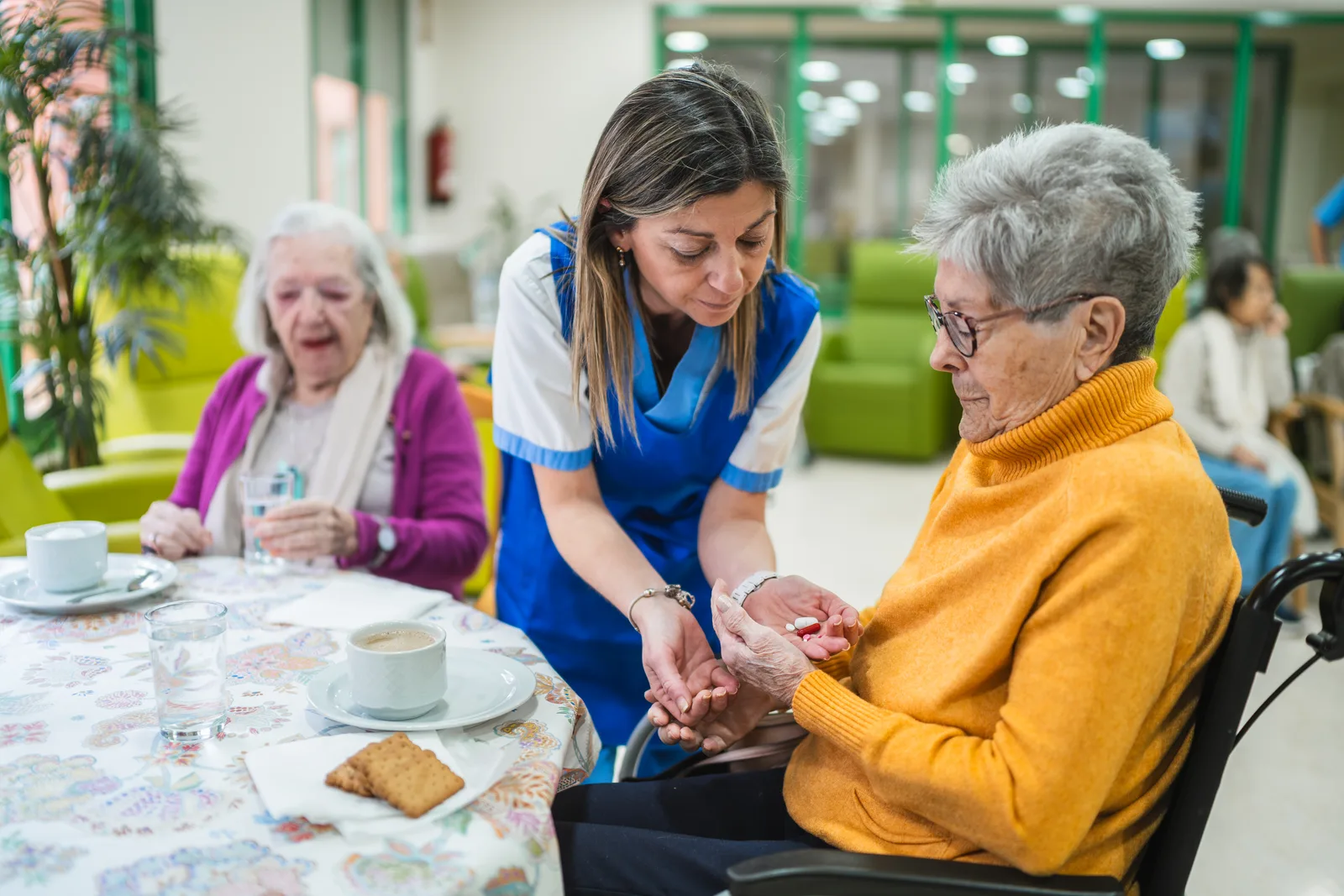
A simple strategy to avoid these mistakes is to use pill organisers with compartments for each day of the week and time of day. Additionally, involving a family member or professional carer in monitoring medication administration can make the difference between a successful and an unsuccessful treatment.
Dangerous interactions
Another common problem is overlooking drug interactions. Many older adults take medications for multiple conditions, and some of these can interact with antihypertensive drugs, reducing their effectiveness or increasing the risk of adverse effects. Non-steroidal anti-inflammatory drugs (such as Ibuprofen and Diclofenac), for example, can reduce the effectiveness of certain blood pressure medications and cause fluid retention.
Incorrect blood pressure monitoring
Measuring blood pressure may seem a simple task, but errors in this process are extremely common and can lead to incorrect treatment decisions. We have encountered numerous cases where older adults or their families measure blood pressure immediately after physical exertion, following an argument, or after climbing stairs, obtaining false readings that cause unnecessary worry.
Correct measurement technique is essential. Blood pressure should be measured after at least 5 minutes of rest, in a seated position, with the arm supported at heart level. Many people make the mistake of measuring over thick clothing, with the cuff too tight or too loose, or whilst talking – all of which distort the results.
Guidelines for correct measurement
- Measure at the same time each day, preferably morning and evening
- Avoid caffeine, physical exercise and smoking for 30 minutes beforehand
- Use a validated blood pressure monitor that is calibrated regularly
- Take two to three readings one minute apart and calculate the average
- Keep a log of readings to identify trends
- Do not panic over a single elevated reading – assess the overall trend
At AsertivO - Servicii Premium Pentru Seniori, the medical team carries out regular, professional blood pressure monitoring, ensuring that each measurement is accurate and that readings are interpreted in the context of the patient's overall condition.
Lifestyle-related errors
Although medication is essential, lifestyle plays a crucial role in controlling hypertension, and this is perhaps where mistakes are most frequent. Many older adults and their families assume that once medication has been started, there is no longer any need to worry about diet, physical activity or other lifestyle factors. This could not be further from the truth.
Excessive salt intake remains the number one problem in the diet of older adults with hypertension. We are not only talking about salt added at the table, but particularly the hidden salt found in processed foods, tinned goods, cured meats, aged cheeses and baked goods. Even bread can contain significant amounts of sodium. Specialists recommend that older adults with hypertension consume less than 5 grams of salt per day – the equivalent of one level teaspoon.
Common dietary mistakes
- Regular consumption of processed meats and cured meats
- Using salt instead of aromatic herbs and spices
- Insufficient hydration, especially during summer
- Excessive alcohol consumption, even "just one glass with dinner"
- Overlooking the importance of fresh fruit and vegetables
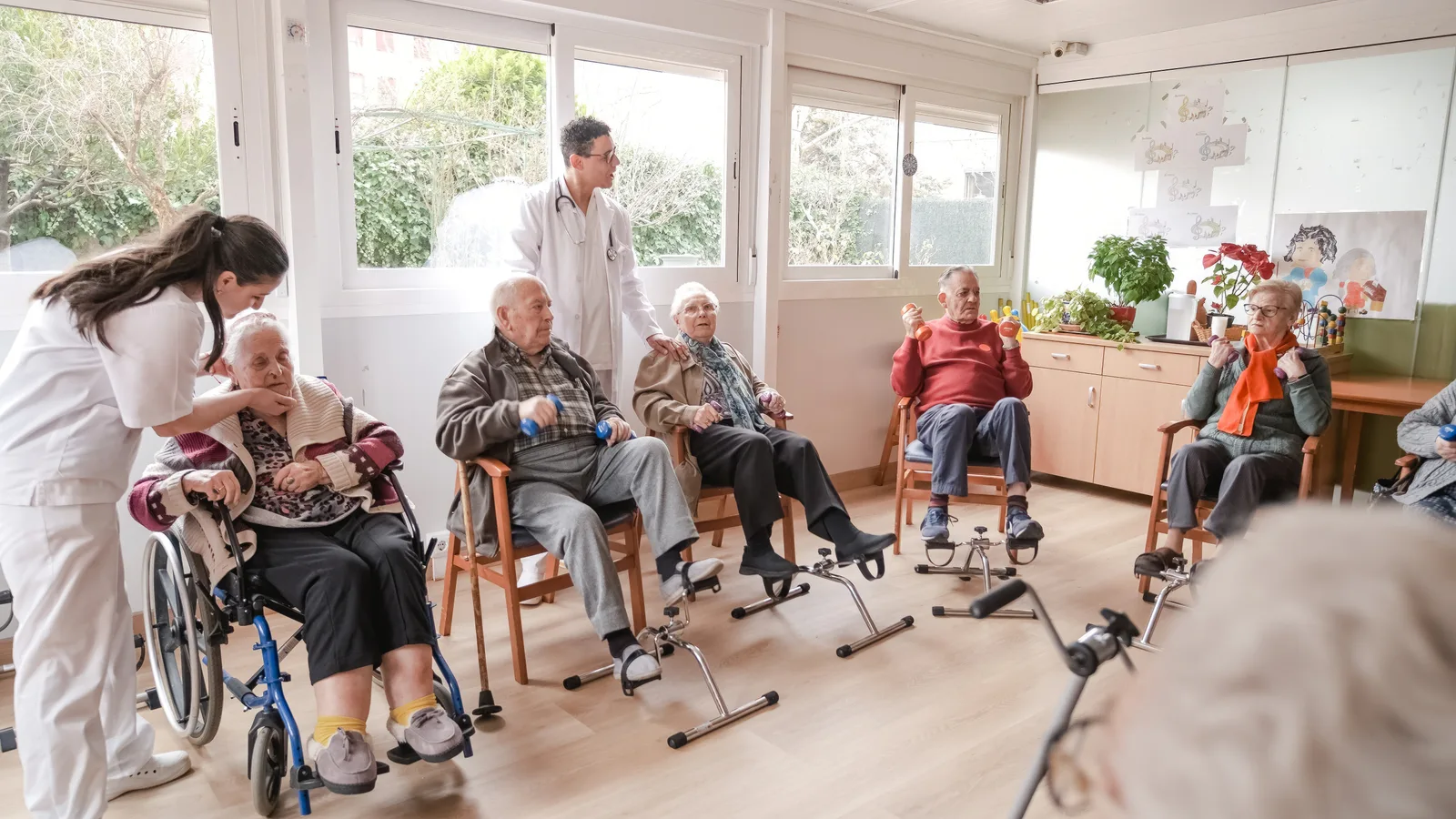
Another frequently neglected issue is sedentary behaviour. Many older adults avoid physical activity entirely, fearing it will raise their blood pressure or leave them overly fatigued. In reality, moderate, regular exercise is one of the most effective non-pharmacological means of controlling blood pressure. We are not talking about running or intensive sport, but daily 30-minute walks, gentle flexibility exercises or adapted gymnastics.
The impact of stress and sleep
Chronic stress and poor-quality sleep are two factors that are frequently overlooked in the management of hypertension in older adults. Health-related anxiety, loneliness, financial worries or family conflicts can keep blood pressure persistently elevated. In addition, many older people suffer from sleep disorders that directly affect blood pressure control.
Ignored warning signs
One of the most serious mistakes is ignoring or downplaying symptoms that may indicate a hypertensive crisis or complications of the condition. "It'll pass", "it's just my age", "I'll feel better tomorrow" – these are phrases we hear all too often, and sometimes this delay in seeking medical help can have devastating consequences.
Hypertension is known as the "silent killer" precisely because, in most cases, it produces no symptoms. However, when clinical signs do appear, they must be taken seriously. Intense and persistent headaches – particularly in the morning – visual disturbances, severe dizziness, frequent nosebleeds, chest pain or difficulty breathing are all signs that require urgent medical assessment.
Symptoms that require immediate medical attention
- Severe headache that does not respond to common pain relievers
- Blood pressure readings above 180/110 mmHg even after resting
- Blurred vision or spots in the visual field
- Confusion, difficulty speaking or muscle weakness
- Chest pain or a feeling of tightness in the chest
- Difficulty breathing even at rest
- Intense, sustained heart palpitations
Many families delay seeking medical advice in the hope that the situation will resolve on its own, or by resorting to home remedies. This delay can turn a manageable situation into a serious medical emergency, with the risk of stroke or myocardial infarction.
When to seek specialist care
Effective management of hypertension in older adults often requires more than occasional appointments with a GP. There are times when it is essential to seek specialist input or to consider a structured programme of continuous medical care and monitoring.
If your loved one's blood pressure remains elevated despite correctly administered treatment over a period of 3–6 months, it is time to request a more comprehensive evaluation. Treatment-resistant hypertension may indicate renal, endocrine or other secondary causes that require specialist investigation and therapeutic approaches.
Situations requiring specialist care
- Large blood pressure fluctuations that are difficult to control with standard medication
- Severe side effects from antihypertensive medications
- The presence of multiple comorbidities (diabetes, kidney disease, cardiovascular conditions)
- Difficulties with correct medication administration due to cognitive impairment
- The absence of consistent family support for monitoring and care
AsertivO - Servicii Premium Pentru Seniori, recognised as a leader in medical care and rehabilitation for older adults in Romania, provides an environment in which hypertension and other chronic conditions are continuously monitored by a multidisciplinary team. Here, each resident benefits from personalised treatment plans, constantly adjusted according to individual response, professional medical monitoring and a nutritional programme tailored to the specific needs of hypertension management.
You should not feel that seeking specialist care is a failure, or that you are "putting your loved one aside". On the contrary, recognising that the condition requires expertise and resources that the family cannot provide alone is an act of responsibility and love. Many families find that once their elderly relative receives the professional medical care they need, their quality of life improves significantly, and the family relationship becomes richer in meaningful moments, freed from the stress of day-to-day medical management.
Preventing long-term complications
Managing hypertension correctly is not simply about controlling blood pressure readings – it is also about preventing the devastating long-term effects this condition can have on the body. Neglecting treatment or managing it incorrectly dramatically increases the risk of stroke, myocardial infarction, heart failure, chronic kidney disease and cognitive decline.
Strict blood pressure control can reduce the risk of stroke by up to 40% and the risk of myocardial infarction by approximately 25%. These figures are not mere statistics – they represent years of life gained, disabilities prevented and quality of life preserved for the people we love.
Long-term protective strategies
- Regular medical check-ups, at least quarterly, to adjust treatment
- Annual assessments of kidney function and cardiac status
- Ophthalmological examinations for the early detection of hypertensive retinopathy
- Cognitive monitoring for the early identification of mental decline
- Influenza and pneumococcal vaccination to prevent infections that can destabilise the condition
It is important to understand that managing hypertension is a marathon, not a sprint. Good results do not appear overnight – they are the product of consistent, daily effort in adhering to treatment and maintaining a healthy lifestyle. Celebrate the small victories: a week of good blood pressure readings, a month without symptoms, the ability to climb stairs without dizziness – all of these are proof that your efforts are working.
The role of family and carers
Family plays a crucial role in the successful management of hypertension in older adults. Emotional support, encouragement to stick to treatment, preparing healthy meals, accompanying loved ones to medical appointments and attentively monitoring their general condition all make the difference between a successful treatment and one that fails.
However, families must also recognise their own limits. Caring for an older adult with hypertension and other chronic conditions can be physically and emotionally exhausting. There is no weakness in asking for help or turning to professional services – it is a mark of wisdom and of care, both for your loved one and for your own health and wellbeing.
Frequently asked questions
Are normal blood pressure values different for older adults?
Yes, for people over 65, the target blood pressure may be slightly less strict than for younger adults – generally below 140/90 mmHg – but it must be personalised according to overall health, comorbidities and the risk of falls. The target should be set individually for each patient by their doctor.
Can antihypertensive medications cause side effects in older adults?
Yes, older adults are more susceptible to side effects, particularly dizziness, fatigue, orthostatic hypotension and electrolyte imbalances. This is why careful monitoring and dose adjustment by a doctor are essential. Any new symptom should be reported to a specialist immediately.
How often should blood pressure be measured in an older adult with hypertension?
During the treatment adjustment period, daily – morning and evening. Once readings have stabilised, two to three times per week, or as directed by the treating physician. It is important to keep a log of readings for medical appointments.
Is a salt-free diet sufficient to control blood pressure in older adults?
A low-sodium diet is very important, but it is usually not sufficient on its own for older adults who already have established hypertension. It works best in combination with prescribed medication, moderate physical exercise and stress management.
What should I do if an older person refuses to take their medication?
Try to understand the reason for the refusal – it may be fear of side effects, forgetfulness, denial of the condition or difficulty swallowing. Speak openly with the doctor about alternative solutions, more easily administered pharmaceutical forms or alarm-based medication reminders. In some cases, the support of a psychologist may help.
When is admission to a specialist care facility for older adults necessary?
When hypertension is difficult to control despite correct treatment, when complications arise frequently, when the older person can no longer manage their medication independently, or when the family is unable to provide the constant medical supervision required. Specialist care ensures continuous professional monitoring and rapid intervention when needed.
Managing high blood pressure in older adults is not something that happens by chance – it requires knowledge, consistent attention and, at times, the courage to acknowledge that specialist help is needed. Avoiding the mistakes discussed in this article can make the difference between an active, fulfilling old age and one marked by complications and suffering. If your loved one is struggling to control their blood pressure, do not delay – speak with your GP or consult a geriatric specialist. Every day counts when it comes to protecting the health of those we love.
This article is intended for informational purposes only and does not replace medical advice. For specific situations, please consult a specialist.
Previous
Pressure sores in the elderly: how to prevent them and how to care for the skin
Next
Guardianship and Curatorship for the Elderly: A Practical Guide for Families
Similar articles
Polypharmacy in the Elderly: What Families Need to Know
16 October 2026

Caregiver Burnout: Signs to Recognise and How to Ask for Help
15 October 2026

Foot Care for the Elderly: Warning Signs and Prevention
14 October 2026
Sleep Disorders in Seniors: When and How to Seek Help
13 October 2026
Osteoporosis and Bone Health — An Essential Guide for Carers
13 October 2026
Validation Therapy for Elderly People with Dementia: A Guide for Families
13 October 2026